Why Is Everything in Korea So Fast?
The Truth About Korea’s “Bballi-Bballi” Culture and Time Efficiency
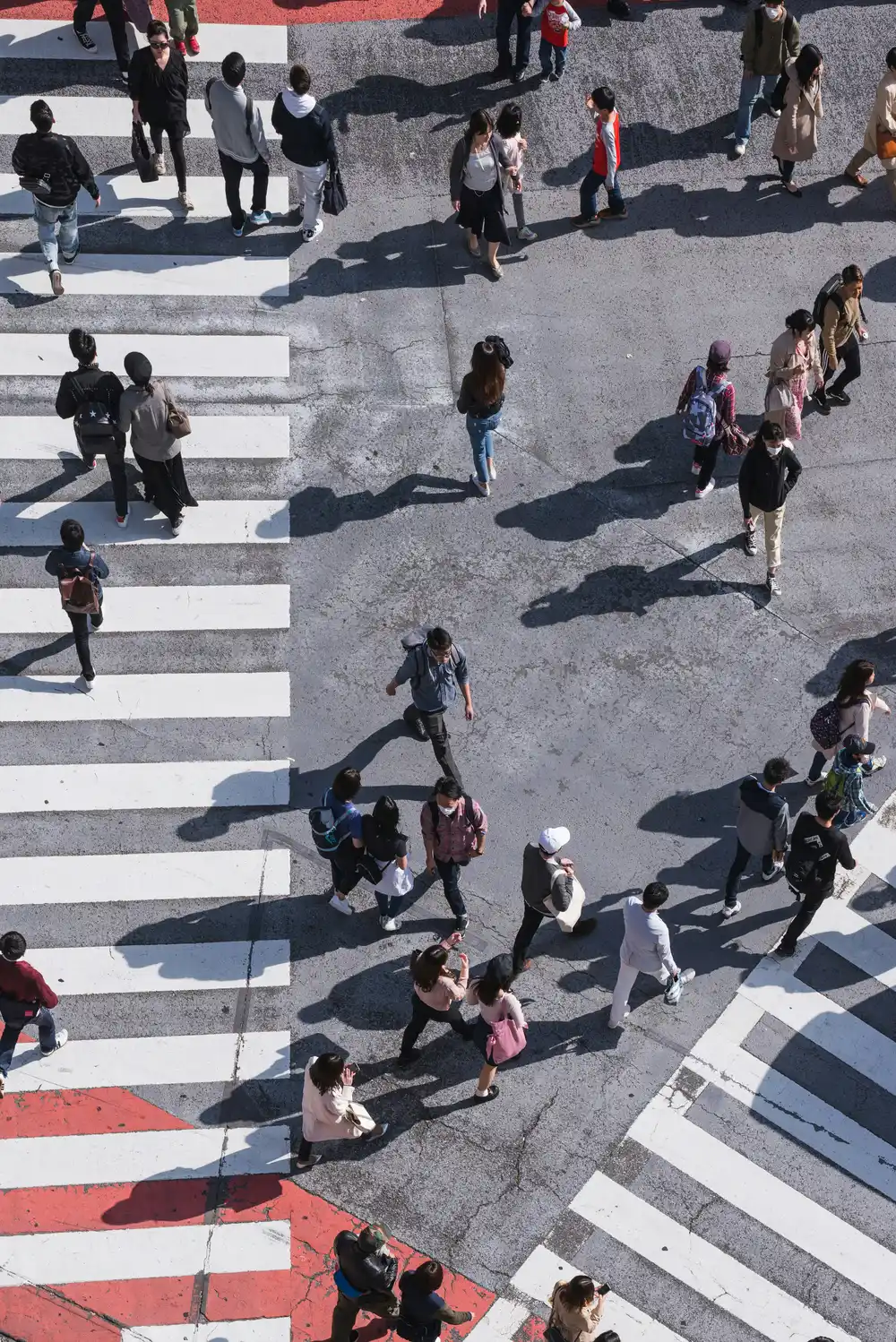
Rushing or Responding? The Truth Behind Korea’s Pace
One of the strangest things about visiting Korea is that you can spend an entire day without waiting very much. You can order food before reaching the counter. A delivery arrives sooner than expected. A restaurant queue moves through an app instead of a physical line. Tasks that might require several steps elsewhere often seem to happen with surprisingly little effort.
Yet Koreans still describe their society with one famous phrase: “bballi-bballi” (빨리빨리), meaning “quickly, quickly.” So, is Korea really obsessed with speed? Not exactly.
After spending time here, many visitors realize that what feels like speed is often something else entirely. The real story isn’t simply that people want everything faster. Korea often feels fast because many systems are designed to make better use of people’s time. The goal is not speed for its own sake. It’s reducing wasted time. In other words, everything is built around efficiency.
What Koreans Are Really Optimizing: The Meaning of Bballi-Bballi
The phrase bballi-bballi is often used to explain why Korea feels fast, but speed alone doesn’t fully explain the everyday experience. After all, most people do not enjoy rushing for no reason.
What many Korean systems seem to prioritize is something slightly different: time efficiency. Think about the small frustrations that slow down a day:
- waiting for paperwork
- standing in line when a notification would work
- repeating information you’ve already entered
- making multiple trips for a simple task
Many Koreans are willing to invest effort, money, or technology if it helps them avoid wasting time later. When unnecessary delays disappear, life naturally feels faster. Seen this way, modern bballi-bballi is less about moving at maximum speed and more about making better use of time. The goal isn’t simply to do things quickly. It’s to avoid spending time on steps that feel unnecessary.
That distinction helps explain why visitors often describe Korea as efficient rather than chaotic. The systems may move quickly, but they are usually designed to help people accomplish more with the same amount of time.
Why Korea Often Feels Fast: Designing Everyday Life Around Convenience
One reason Korea feels unusually fast is that many services are designed to minimize interruptions. Navigation, transportation, messaging, payments, reservations, and shopping are often integrated into a small number of digital platforms that people use every day.
A good example is Korea’s restaurant waiting system. Instead of physically standing outside a popular restaurant for two hours, many people join a digital queue, leave the area, grab a coffee, browse nearby stores, or continue with other plans. When their turn approaches, they receive a notification and return.
The waiting still exists. What changes is how that waiting is experienced. Rather than spending two hours standing outside a restaurant, people can spend those same two hours doing something else. The waiting time doesn’t disappear. The difference is that the time becomes usable.
This same logic appears in many parts of daily life. A growing number of services are designed to let people complete tasks in fewer steps, avoid unnecessary visits, and spend less time navigating complicated processes. Experiences like these may seem small individually. But together, they create a daily rhythm with fewer interruptions and fewer situations where people feel their time is being wasted. Over time, that efficiency becomes one of the most noticeable aspects of life in Korea.
Why Even Visitors Start Expecting Things to Be Faster
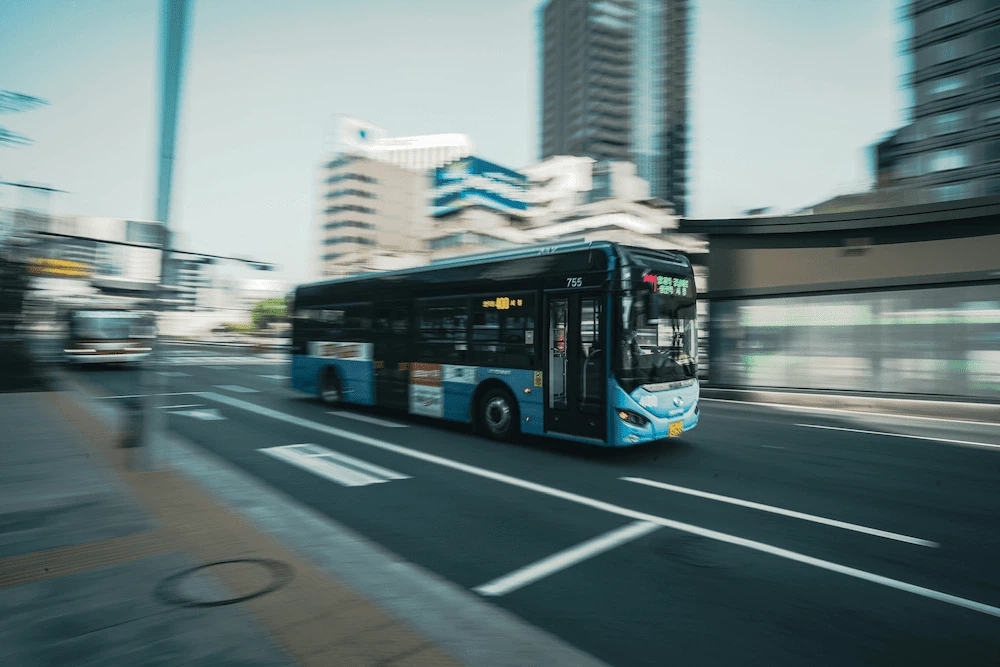
One interesting effect of living in Korea is that people’s expectations often begin to change. A delivery that once felt remarkably fast starts to feel normal. A ten-minute queue suddenly feels longer than it used to. A service that requires extra paperwork begins to feel surprisingly inconvenient.
The more efficiently time is used, the more noticeable wasted time becomes. This is one reason visitors sometimes experience a mild reverse culture shock after returning home. Systems they never questioned before can suddenly feel slower or more complicated than they remember.
In that sense, Korea’s fast reputation isn’t only about infrastructure. It’s also about how infrastructure gradually reshapes expectations.
The Structural Context: Why Did Korea Become So Fast?
Many visitors assume Korea’s speed comes entirely from mindset. But infrastructure matters just as much.
Korea is one of the world’s most densely connected and highly digitalized societies. Millions of people rely on the same transportation networks, mobile platforms, delivery systems, and public services every day.
Consider a routine hospital visit. In some countries, booking an appointment, receiving treatment, obtaining a prescription, and collecting medication may involve multiple locations or several days of waiting.
Visitors are often surprised by how quickly these steps can move in Korea. Depending on the situation, it may be possible to visit a clinic without booking an appointment, receive treatment, obtain a prescription, and collect medication from a nearby pharmacy within a relatively short period of time.
The point is not that Korean people themselves move faster. Many Korean systems are designed to shorten the time between deciding to do something and completing it. In a society where schedules are often packed, saving even small amounts of time across dozens of daily activities becomes meaningful. When millions of people rely on the same systems every day, even small inefficiencies become highly visible. Over time, time efficiency evolves from a convenience into an expectation.
When Speed Shapes Culture: Why Korean Trends Change So Quickly
The influence of speed extends beyond services. It also affects culture itself. Visitors are often surprised by how temporary popularity can feel in Seoul.

A bakery can attract long queues for months and then quietly disappear from public attention. A new dessert can dominate social media feeds before being replaced by the next trend. A pop-up store can attract thousands of visitors despite operating for only a few weeks.
This doesn’t happen only because information travels quickly. It also reflects a culture that is unusually comfortable moving on. Once something becomes familiar, attention often shifts elsewhere. The result is a culture where trends can rise, peak, and fade within remarkably short periods of time.
In many ways, Korea’s fast-changing trend cycle mirrors the same logic found elsewhere in daily life: people are often looking for the next interesting, useful, or rewarding experience rather than staying attached to what came before. For visitors, this can make cities like Seoul feel exciting and constantly evolving. For locals, it can sometimes create the feeling that trends never stop moving.
Understanding Korea’s Fast Culture
Why Is Delivery So Fast in Korea?
Fast delivery in Korea is not simply the result of people working faster.
Population density plays a major role. Large numbers of customers live within relatively compact urban areas, making logistics networks more efficient and economically viable. Combined with widespread digital infrastructure and strong consumer demand, this creates an environment where fast delivery becomes the norm.
Why Do Koreans Hate Wasting Time?
It is usually less about impatience and more about efficiency.
Many people view unnecessary waiting as time that could be used elsewhere. This mindset appears in restaurant waiting systems, mobile reservations, self-service kiosks, online banking, and countless other everyday services.
Visitors sometimes joke that Koreans seem to do everything quickly — even eating. While that may be an exaggeration, it reflects a broader perception that time is treated as something valuable and not meant to be wasted. Seen this way, the goal is not simply to move faster. It is to spend less time on things that feel unnecessary.
Is Korea’s Bballi-Bballi Culture Changing?
Yes.
While efficiency remains highly valued, younger generations are also showing growing interest in slower lifestyles, wellness, mindfulness, and work-life balance. The desire to use time efficiently remains strong, but there is increasing discussion about whether life always needs to move at maximum speed.
The Hidden Cost of Efficiency: Is Faster Always Better?
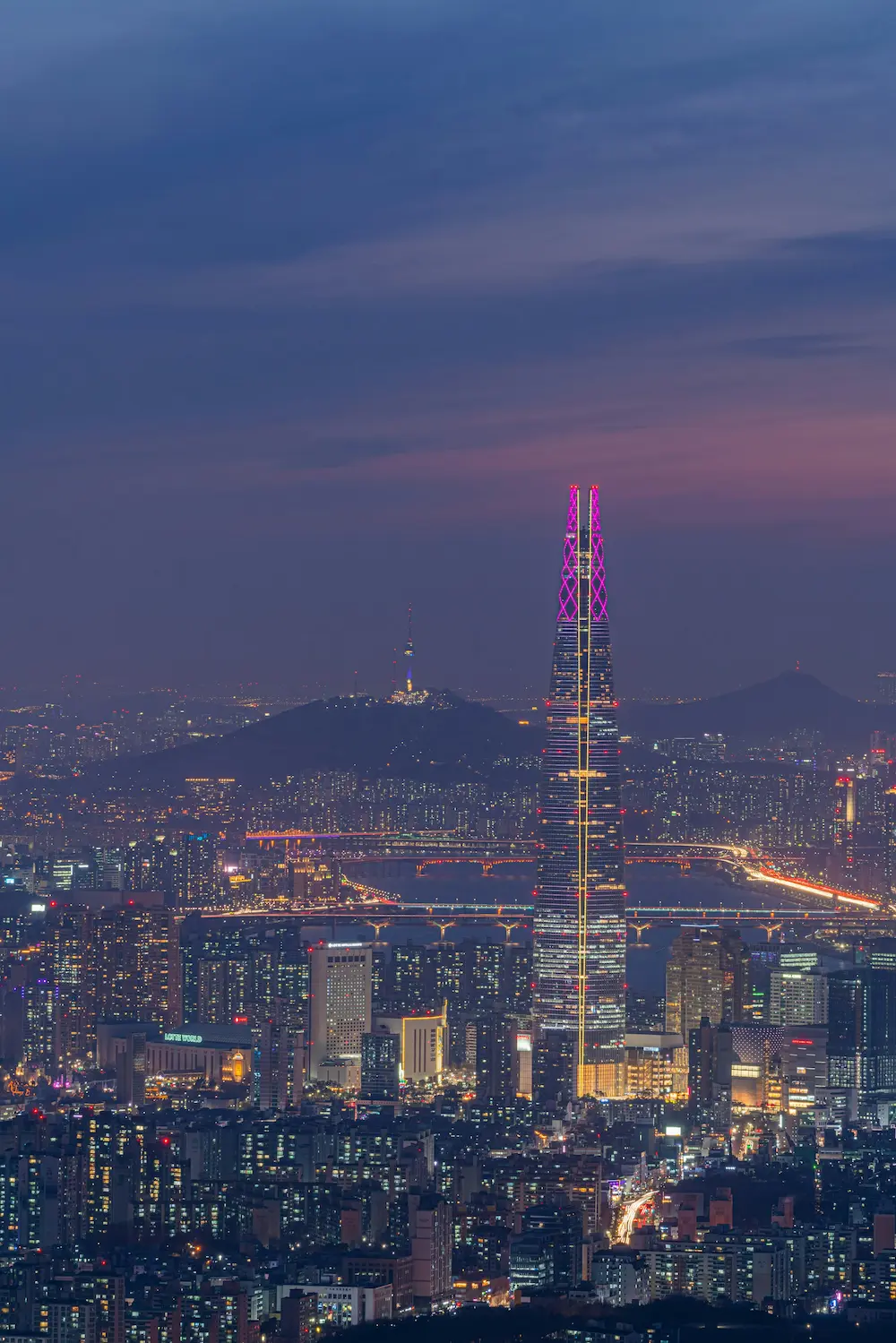
The benefits of convenience are easy to see. Less uncertainty. Less wasted time. Fewer interruptions. But convenience can also create new expectations.
When systems become highly optimized, even minor delays start to feel more noticeable. People become accustomed to instant updates, quick responses, and seamless experiences. What once felt convenient gradually becomes the baseline.
Some Koreans would even argue that efficiency is sometimes valued too highly. The pressure to respond quickly, make decisions quickly, and achieve results quickly can occasionally make everyday life feel rushed — even when nobody is literally running anywhere. From this perspective, Korea’s fast culture is not only about convenience. It can also reflect a society that places strong value on productivity, progress, and visible results.
This doesn’t mean Korean society is uniquely stressed or obsessed with speed. Rather, it reflects a challenge faced by many modern cities. The more efficiently life operates, the harder it can become to tolerate inefficiency. The systems solve certain frustrations while creating new expectations at the same time.
More Than Speed
Visitors often describe Korea as fast. But after spending more time here, many realize that speed is only the visible result of something deeper. Across transportation, reservations, delivery services, mobile apps, and everyday routines, many systems are designed around a simple idea: making better use of people’s time.
People in Korea still wait. They still encounter delays and inconveniences. The difference is that many systems are built to reduce wasted time whenever possible. Seen from that perspective, Korea’s reputation for speed may be less about rushing and more about a society that constantly looks for better ways to use time.