Why Skin Texture Matters So Much in Korean Beauty Culture
How Skincare Became Part of Everyday Self-Management in Korea
The Importance of “Good Skin” in Korea
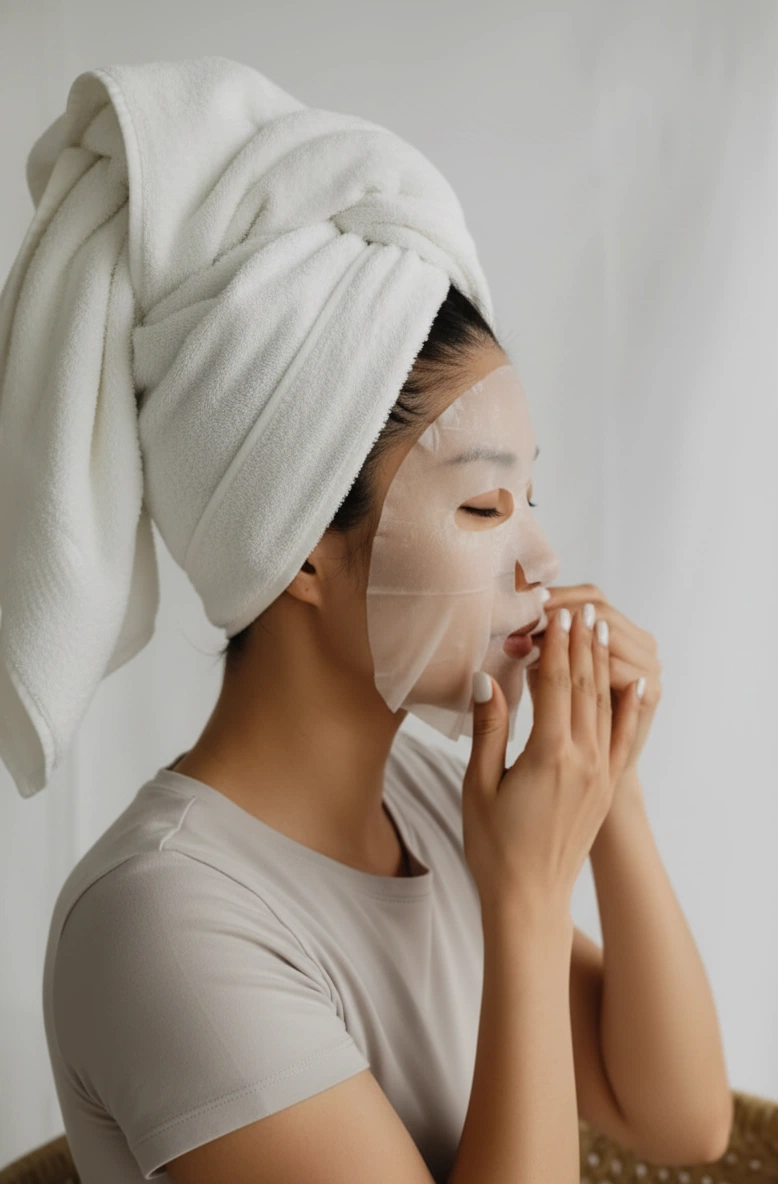
One of the first things many visitors notice in Korea is how much attention people pay to skin itself — not only makeup. In everyday life, the impression of having “good skin” is often associated with looking healthy, rested, organized, and put together. Rather than relying heavily on dramatic makeup styles, many people focus more on maintaining smooth skin texture, hydration, and an overall fresh appearance.
This does not mean everyone in Korea follows the same beauty standards or skincare routines. But across many age groups, skincare is often treated less like occasional beauty work and more like part of ordinary upkeep. Over time, this helped shape a beauty culture where makeup is expected to sit on top of healthy-looking skin rather than completely hide it.
Why Skin Texture Feels So Noticeable in Korea
Part of this emphasis comes from the social texture of everyday life in Korea itself. In Korea, appearance is often treated as something socially visible rather than purely personal. People frequently comment on each other’s condition in surprisingly direct ways — sometimes casually, sometimes without realizing how personal it may sound to outsiders.
An older relative might immediately point out that someone looks tired, gained weight, or suddenly has acne. Friends casually ask whether someone changed skincare products. Coworkers notice when someone’s skin looks unusually stressed after a busy week. These observations are not always intended as criticism. In many cases, they reflect a culture where paying attention to other people’s condition is relatively normalized in everyday conversation. The same social openness appears in conversations about marriage, health, dieting, appearance, or work life.
As a result, skin becomes highly visible in ordinary social interaction. Over time, many people internalize the idea that looking “well-managed” matters socially. Not necessarily perfect. Not necessarily glamorous. But clean, healthy, rested, and cared for. That distinction is important.
More often, the pressure comes not from standing out through dramatic beauty and more about avoiding the impression of looking neglected, tired, or unprepared. Smooth skin texture, even tone, and a fresh appearance become associated with self-management and social presentation in subtle but persistent ways.
Grooming as Maintenance
This perspective also applies across genders more naturally than some foreign visitors expect. Men regularly use skincare products, discuss sunscreen, compare acne treatments, or visit dermatology clinics without much social awkwardness because grooming is often viewed less as vanity and more as ordinary maintenance.
At the same time, many Koreans openly criticize the exhaustion created by these expectations. Conversations about appearance pressure, comparison culture, and the emotional fatigue of constantly looking “put together” are increasingly common as well. The reality is more complicated than either extreme. Korean skincare culture is neither simply “obsession” nor purely harmless self-care. It exists somewhere between grooming culture, social expectation, personal confidence, and the quiet pressure to appear well-managed in everyday life.
Why Korean Makeup Often Looks More Natural
This focus on skin condition strongly shaped Korean makeup trends over time. In many everyday settings, makeup is designed less to dramatically transform the face and more to preserve the appearance of natural skin. Texture, hydration, glow, and overall balance often matter more than heavy contouring or sharp coverage.
That preference helped popularize products like:
- cushion foundations
- lightweight base makeup
- tone-up creams
- glow-focused skincare
- hydrating primers
Many Korean makeup looks aim to create the impression that someone simply has naturally healthy skin. The goal is usually not flawless skin or invisible pores. Instead, the emphasis is often on skin that simply looks cared for. As a result, makeup often emphasizes:
- hydration
- smooth texture
- light coverage
- even tone
- natural luminosity

Of course, bold makeup styles absolutely exist in Korea — especially in fashion, nightlife, entertainment, and online beauty communities. But in ordinary daily life, many people still prioritize what looks like healthy skin over visibly heavy makeup itself. That is part of why Korean beauty trends often appear softer or more understated to foreign visitors at first glance.
Why Dermatology Clinics Became Part of Everyday Life
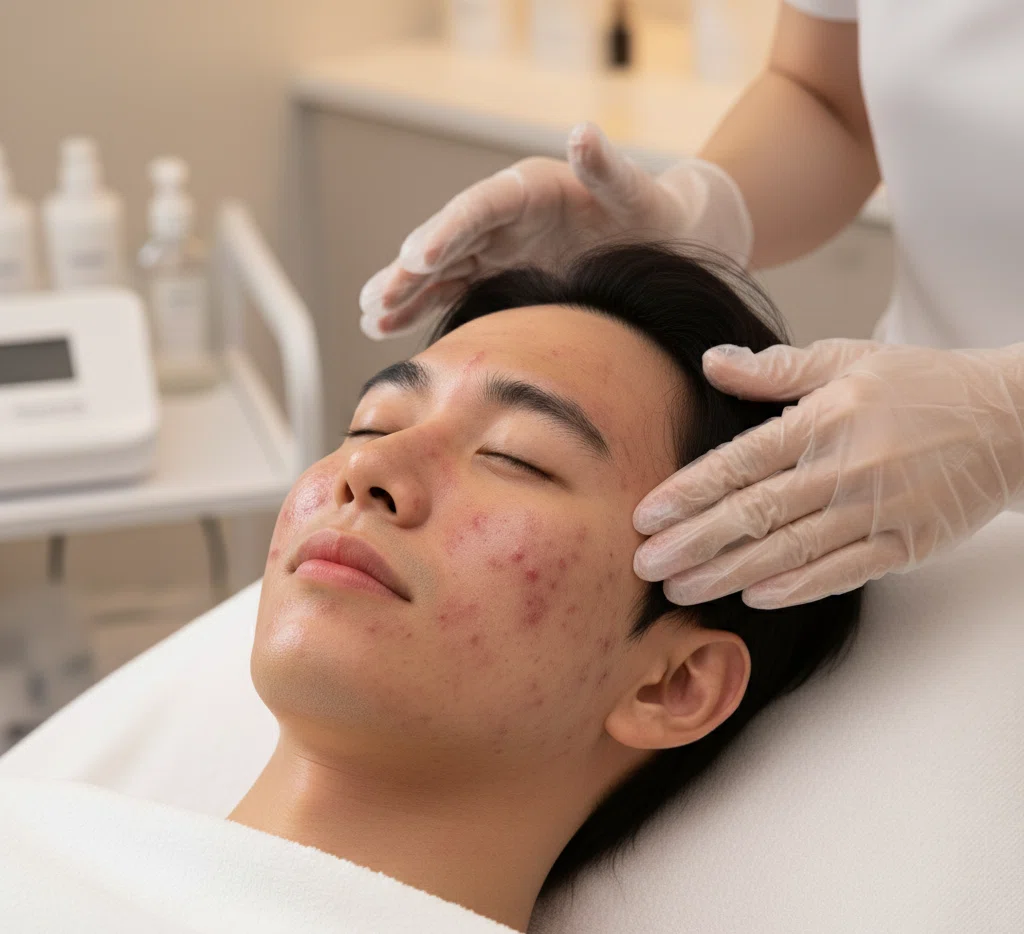
One of the most distinctive parts of Korean beauty culture is how normalized professional skincare maintenance became. In many countries, dermatology clinics are associated mainly with medical conditions or highly specialized cosmetic procedures. In Korea, they often exist somewhere closer to routine upkeep. In neighborhoods across Seoul, skincare clinics appear beside cafés, pharmacies, office buildings, and shopping streets.
In some commercial neighborhoods, skincare clinic advertisements appear so frequently that they almost blend into the background of everyday city life — beside subway exits, pharmacies, cafés, and office buildings. Treatments that might sound highly cosmetic elsewhere are often discussed in surprisingly practical terms in Korea.
Another detail many visitors notice is how gender-neutral parts of this culture became. Men also visit dermatology clinics regularly, especially for acne care, irritation treatment, laser procedures, or general grooming maintenance.
At the same time, opinions around cosmetic procedures remain complicated inside Korea itself. Some people see these treatments as practical self-care. Others criticize the pressure to constantly maintain appearance. Both perspectives exist simultaneously. What feels striking from the outside is not simply the popularity of skincare clinics, but how deeply they became integrated into ordinary urban routines.
Why Skincare Habits Often Start Young
Another reason skincare feels so integrated into everyday life in Korea is that interest in skin health often begins relatively early.
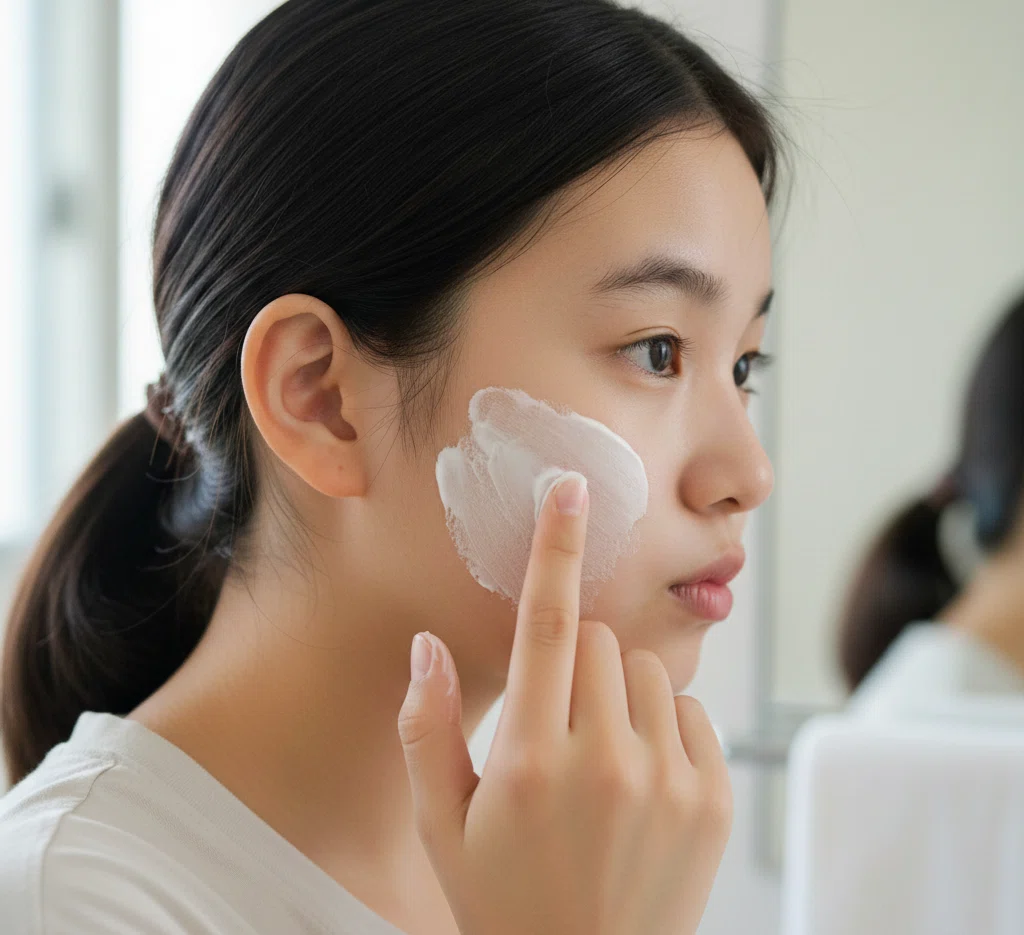
In many households, sunscreen is treated as something practical rather than highly cosmetic. Teenagers are commonly encouraged to protect their skin from strong sun exposure, especially during summer, and basic moisturizing is often viewed as ordinary daily care rather than an elaborate beauty routine.
By high school or university, many people are already familiar with products like cleansers, sunscreen, moisturizers, or acne care items. As a result, skincare knowledge tends to become widespread naturally through everyday exposure rather than specialized beauty interest alone.
Conversations about UV protection, hydration, skin sensitivity, or ingredients are also relatively common among ordinary consumers, especially online. Preventive care plays an important role in this mindset. For many people, skincare is less about dramatic transformation and more about maintaining skin condition consistently over time. That long-term perspective strongly influenced the development of Korea’s skincare and wellness industries.
Is Korean Beauty Culture Only About Appearance?
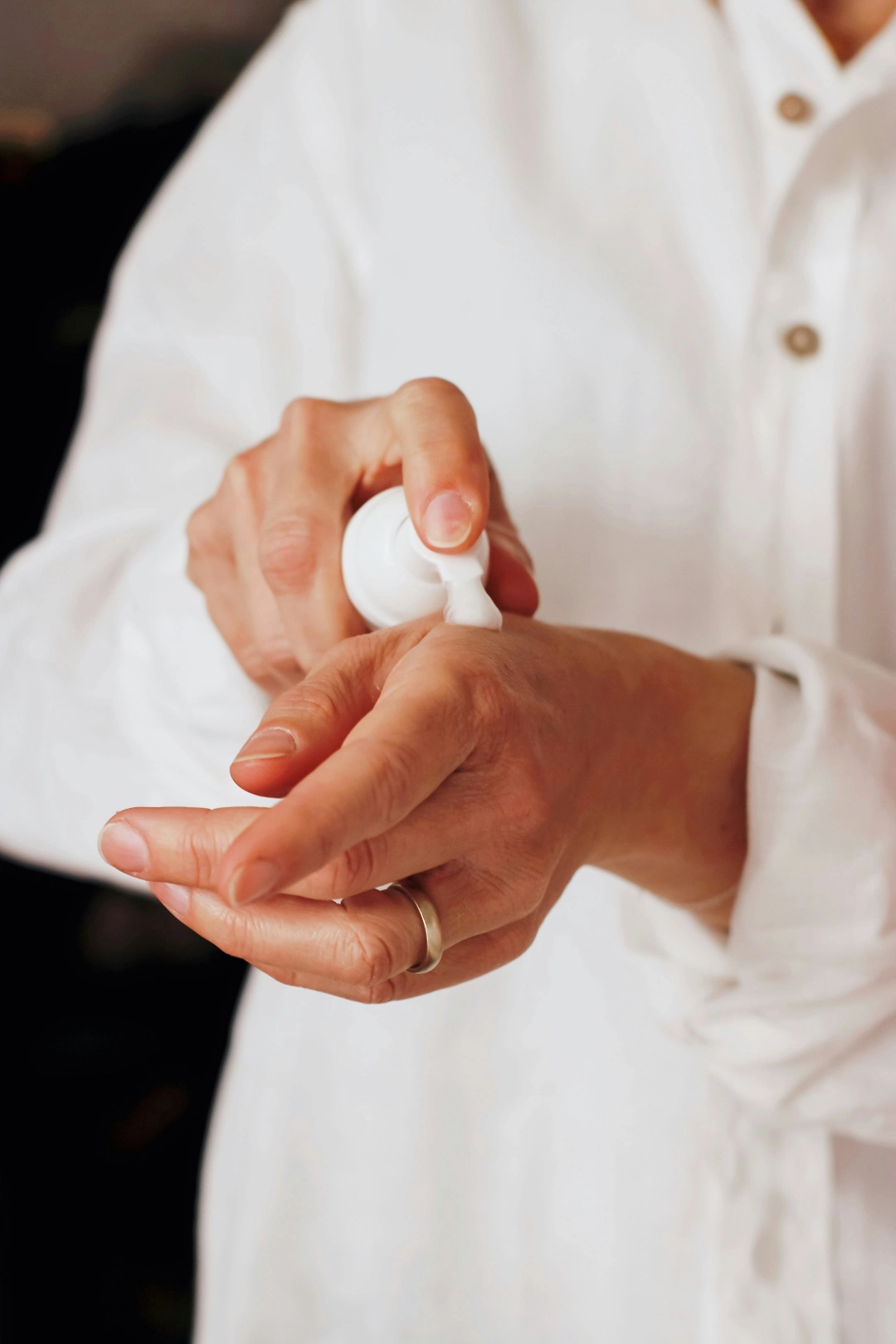
The answer is more complicated than a simple yes or no. On one hand, Korea developed an extremely sophisticated self-care and beauty culture. Skincare information is highly accessible, products are widely available, and grooming habits are normalized across genders more openly than in many places. On the other hand, appearance-related pressure also undeniably exists.
Many Koreans openly talk about the stress of looking polished in professional, academic, or social environments. Competitive beauty standards, social comparison, and appearance-based expectations remain ongoing topics of debate inside Korea itself. That tension matters.
Korean skincare culture is not simply about vanity, but it is also not completely separate from social pressure either. In reality, it exists somewhere between wellness, grooming, professionalism, routine maintenance, self-expression, and cultural expectation. Reducing it either to “obsession” or “perfect self-care culture” misses the complexity of how people actually experience it.
What Foreign Visitors Often Notice First
For many visitors, Korean skincare culture becomes noticeable through small everyday details rather than beauty marketing alone.
People often notice:
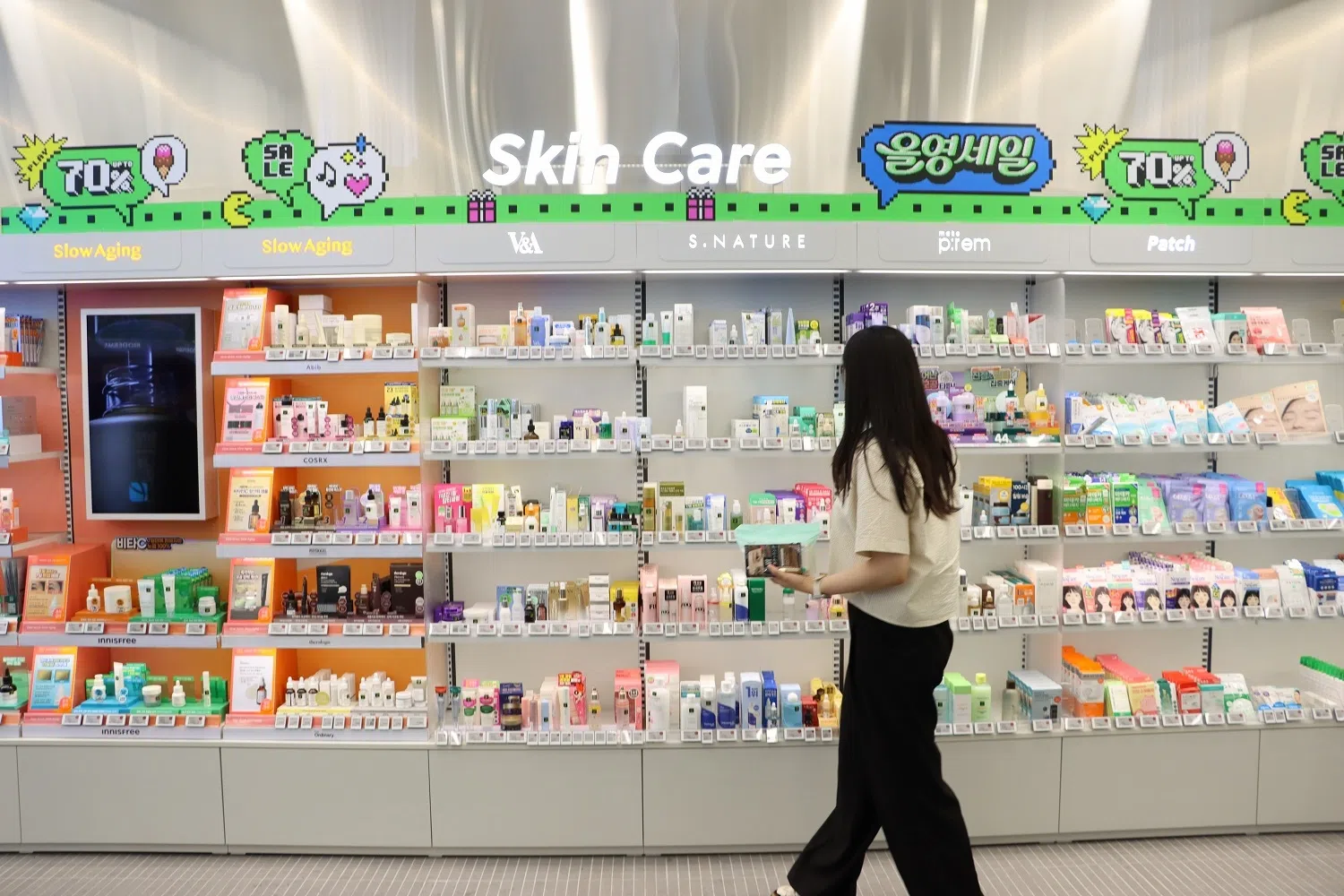
- beauty stores on nearly every shopping street
- sunscreen being reapplied during summer
- subway advertisements focused entirely on skin texture and hydration
- men casually browsing skincare aisles
- relatively natural-looking makeup paired with polished skin
What surprises some visitors is how familiar skincare knowledge feels in everyday life. Ingredients like hyaluronic acid, centella asiatica, PDRN, or retinol are recognized far beyond dedicated beauty communities, especially among younger consumers.
Over time, skincare became less of a specialized interest and more of an ordinary part of daily life — something woven naturally into routines, shopping habits, and social culture.
More Than Just Beauty
Understanding Korean skincare culture is ultimately less about makeup trends and more about how people approach everyday maintenance, presentation, and routine care. In Korea, skin is often treated not simply as a cosmetic concern, but as part of a broader lifestyle connected to health, professionalism, confidence, and daily habits.
At the same time, these cultural patterns are neither fixed nor universally accepted. Conversations around beauty standards, appearance pressure, and self-image continue evolving alongside Korean society itself. That complexity is precisely what makes Korean beauty culture interesting. In Korea, skincare often feels less separate from everyday life and more woven into the ordinary experience of being seen by others.