How Restaurant Waiting Works in Korea
Why long lines in Korea often exist without people standing in them
Where Did the Line Go?
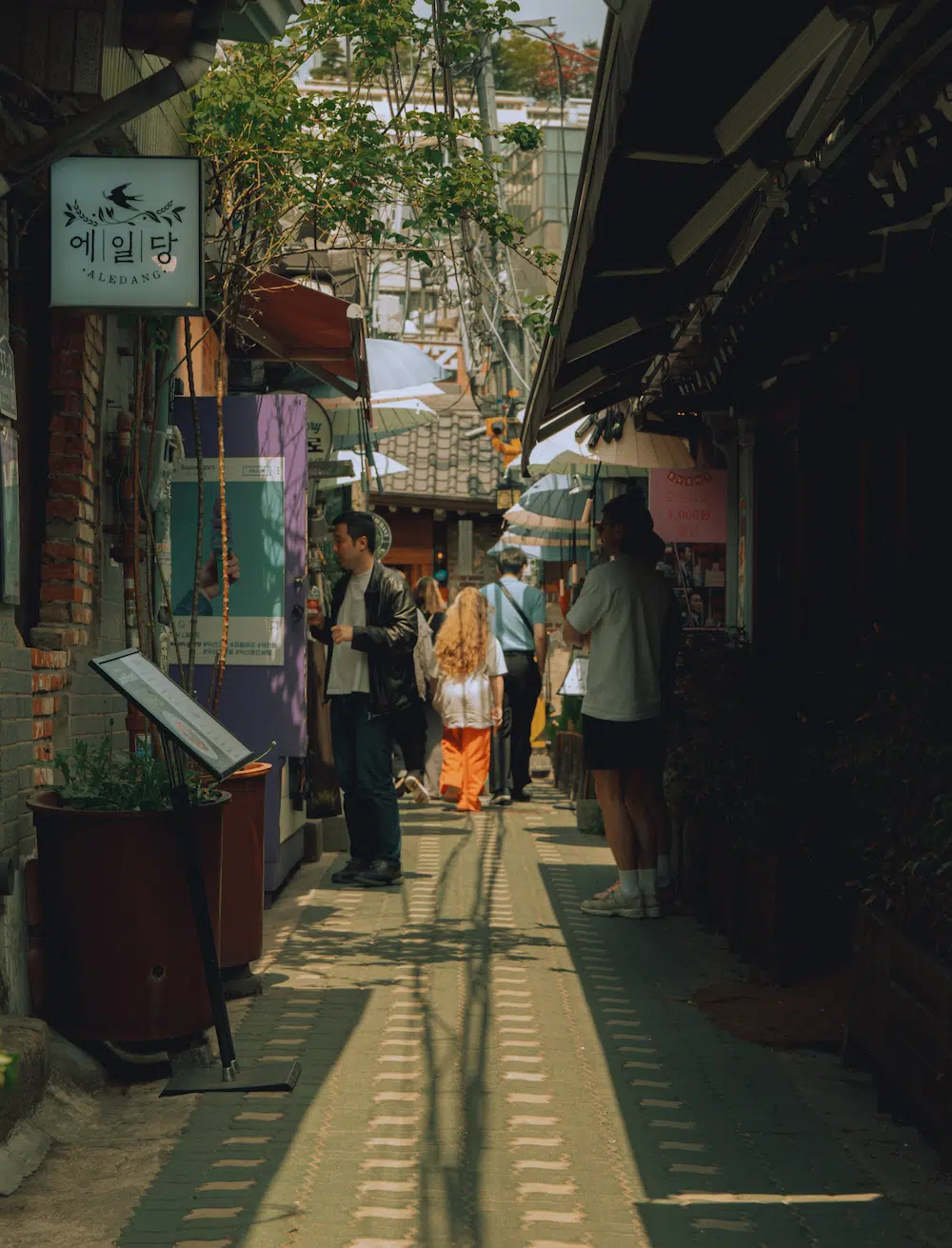
You arrive at a famous restaurant in Seoul expecting a long line. But strangely, there isn’t one. No crowd outside. No people standing near the entrance. No paper waiting list taped to the door. And yet, the restaurant is fully booked with a two-hour wait. So where is everyone?
In Korea, people are often still waiting — just not physically. Instead of standing in line, many restaurants now use digital waiting systems that let customers join remotely, monitor their position in real time, and return only when their table is almost ready. Once you understand how this works, a lot of Korean dining culture suddenly starts making more sense.
Why Koreans Don’t Wait the Same Way
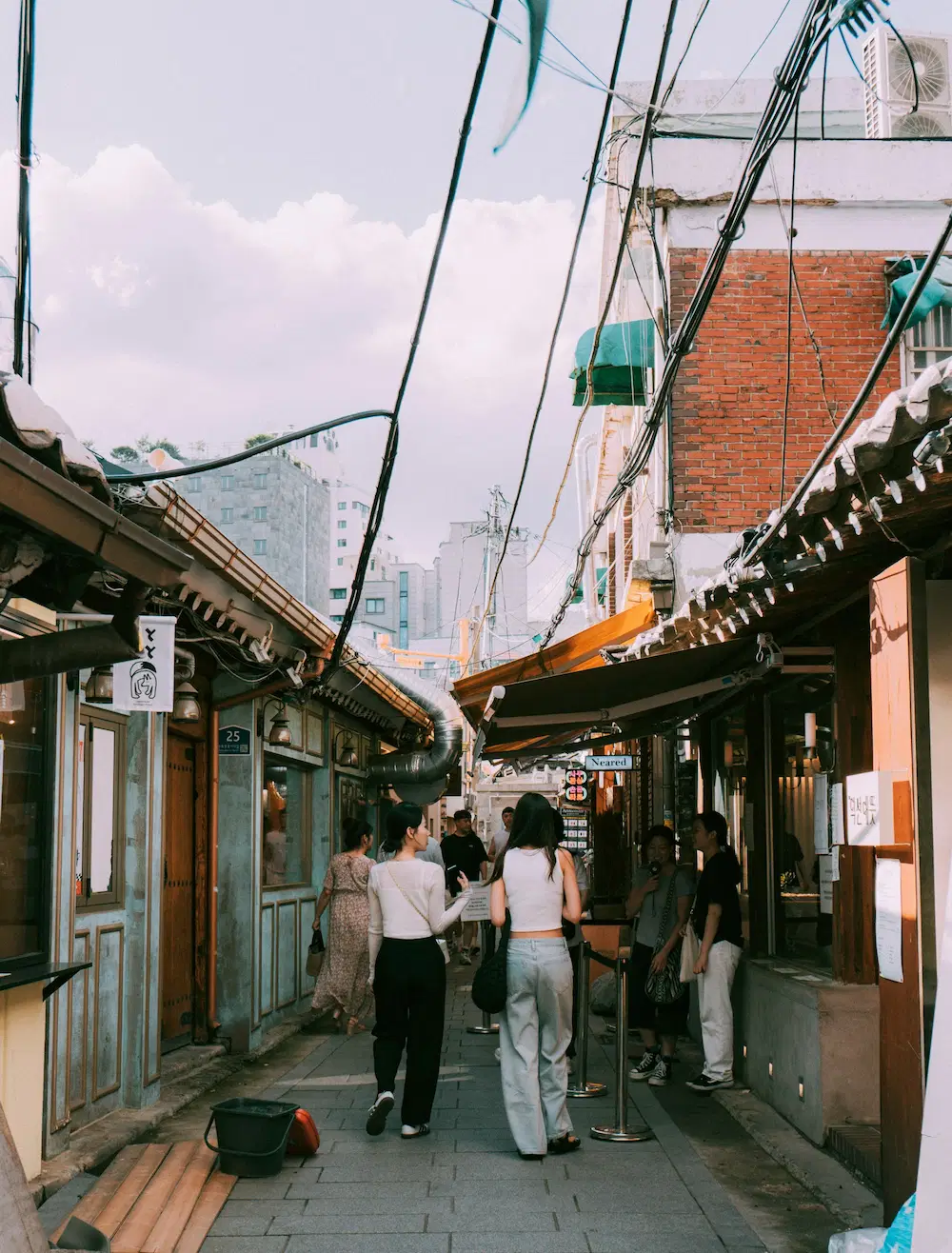
In Korea, waiting is rarely treated as passive time. People still wait for popular restaurants, trending cafés, and limited pop-ups — sometimes for hours. But the goal is usually to avoid spending that time standing still.
This is partly connected to Korea’s well-known “bballi-bballi” (빨리빨리) culture, often translated as “quickly, quickly.” But in everyday life, it’s less about literally rushing everywhere and more about removing small inconveniences whenever possible.
Restaurant waiting evolved in the same direction. Instead of physically standing outside, checking repeatedly whether your name has been called, or losing an entire afternoon to one meal, people now tend to wait digitally while continuing with the rest of their day.
In Korea, waiting wasn’t removed. It was redesigned around movement. You don’t physically stand in line — you wait remotely.
How the Korean Waiting System Actually Works
At most popular restaurants, the process is surprisingly simple.
- Register your name or phone number
- Receive a queue number
- Leave the area
- Return when notified
Many restaurants use kiosks or tablets placed near the entrance, while others operate through reservation and waiting apps like CatchTable, Tableing, or Naver.
Instead of physically standing in line, customers track their waiting status remotely. Some systems even show:
- how many teams are ahead of you
- estimated waiting time
- live queue movement
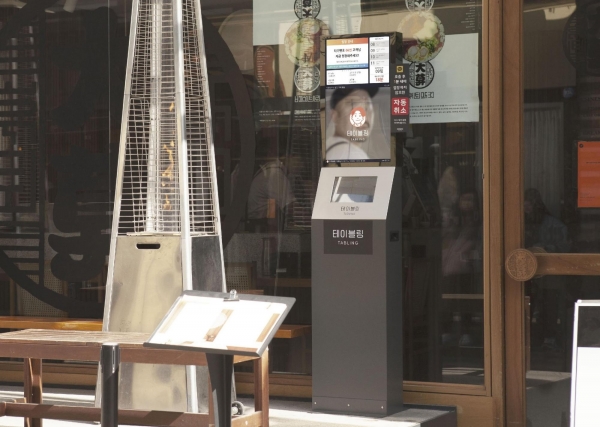
And this changes the experience completely. Rather than standing outside for hours, people often spend that waiting time somewhere else — sitting in a nearby café, browsing stores, or continuing the rest of their plans until the notification arrives. The line still exists. It just becomes invisible.
How to Book Restaurants in Korea
For foreign visitors, the system can feel confusing at first — especially because the visible line outside a restaurant is often much shorter than the actual waiting list. A few apps and systems are especially useful to know before visiting Korea.

For many Koreans, this is the default platform for searching restaurants. People use it to:
- finding new restaurants
- check reviews and photos
- make reservations
If you only download one app before visiting Korea, this is probably the most useful one overall.

One of the most widely used restaurant reservation and waiting apps in Korea today. It’s especially common for:
- fine dining places
- popular restaurants
- trendy cafés
Some restaurants allow advance reservations, while others open remote waiting queues directly through the app. This means people can sometimes join a waiting list hours before physically arriving at the restaurant.

KakaoTalk Notifications
Many restaurants or waiting apps send queue notifications through KakaoTalk or text messages. You might receive alerts like:
- “You are next in line”
- “Please enter within 10 minutes”
Because of this, timing becomes extremely important. People often monitor their queue status carefully while moving around nearby areas.
Waiting Without Actually Waiting
One of the most surprising parts of Korean dining culture is that long waits don’t necessarily mean physically standing outside. For extremely popular places with two- or three-hour waits, people often:
- join remotely through apps
- check live queue updates
- spend time elsewhere until their turn approaches
Instead of wasting time in one place, the waiting period becomes integrated into the rest of the day. In many ways, the system feels efficient. But it also reflects something deeper about urban life in Korea: even leisure often becomes scheduled, optimized, and managed through apps.
Why Are Koreans Willing to Wait So Long?
At this point, many foreign visitors ask the same question “If people value efficiency so much, why are they still willing to wait two or three hours for food?” The interesting part is that Korea didn’t eliminate waiting. It simply changed how waiting works.
Popular restaurants in Korea are often tied to trends, social media, and the feeling of experiencing something at the right moment. A bakery can suddenly become famous online. A café may go viral for just a few weeks. Some places become known not only for the food itself, but for the experience of successfully getting in. And because trends move quickly, people adapt around them.
Remote waiting systems make it possible to join long queues without physically stopping your day. In some ways, that feels efficient. In other ways, it also reveals how tightly scheduled modern urban life can feel — even leisure often gets managed through apps, reservations, and timing.
So the system reflects two things at once: people dislike wasting time, but they are still willing to compete for experiences they consider valuable.
What This Reveals About Life in Korea
One interesting part of this system is that it changes what “waiting” looks like. In many countries, waiting means standing still. In Korea, waiting often happens while doing something else. People grab coffee, browse nearby stores, or continue their plans until the notification arrives.
That doesn’t necessarily mean life feels more relaxed. In some ways, the opposite can also be true. Popular restaurants, cafés, and pop-up events often require planning, timing, and fast reservations. Even leisure can start to feel scheduled.
The waiting system reflects both sides at once:
people try to avoid wasting time, but they also live in an environment where competition for experiences has become normal.
The Culture of Digital Reservations
This mindset appears far beyond restaurants. In Korea, reservations themselves can become competitive.
People often try to secure:
- pop-up store entry slots
- limited exhibition tickets
- trendy café reservations
- special dining events
Some reservations disappear almost immediately after opening. People refresh pages repeatedly, open multiple devices, and try to click at the exact right second. The process is so common that gwang-click (광클), meaning “rapid clicking,” became a recognizable internet expression.
To outsiders, it can look intense. But in Korea, digital reservation systems have become part of everyday urban life — especially in Seoul, where trends move quickly and popular places change constantly.
When Waiting Becomes Part of the Economy
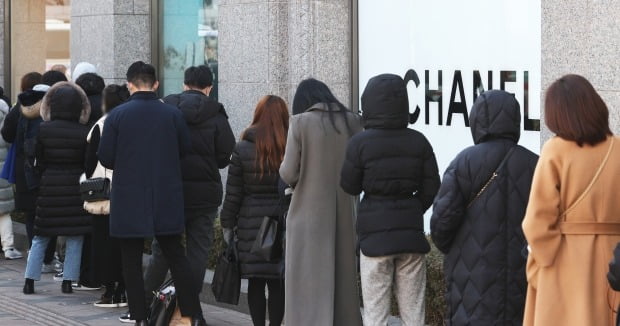
In extreme cases, waiting itself can even turn into paid work.
For luxury brand launches, limited-edition products, or highly anticipated pop-up events, some people pay others to stand in line for them. This is sometimes referred to as a “waiting part-time job.”
At first, the idea sounds unusual. But it also reflects how valuable time has become in large cities like Seoul. People are often willing to spend money to avoid losing hours physically waiting somewhere.
At the same time, it raises an interesting question about modern urban life. In cities where trends move quickly and time feels limited, convenience itself can sometimes become competitive.
Practical Tips for Foreign Visitors
One mistake many visitors make is assuming they need to physically stand outside the restaurant. In many cases, they don’t.
A few useful things to know:
- Some restaurants allow remote queue registration through apps
- Queue movement can speed up suddenly because people cancel or miss their turn
- Notifications are often sent through KakaoTalk or reservation platforms
- Popular restaurants may stop accepting waiting lists earlier than expected
Another thing visitors quickly notice: the visible line outside a restaurant is often much shorter than the actual waiting list.
Waiting, Redesigned
At first, Korea’s restaurant waiting system can feel surprisingly efficient. You join a queue, leave, continue your day, and return when your table is ready — without physically standing outside for hours.
But the system also reflects something larger about life in Seoul. People still wait for experiences they care about. The difference is that waiting has been redesigned around movement, apps, and constant connection. People didn’t stop waiting. They simply found a way to keep moving while they do it.