Life at Your Doorstep
: Korean Delivery Services in Daily Life
Not just convenience, but a rhythm of everyday living
Life at Your Doorstep
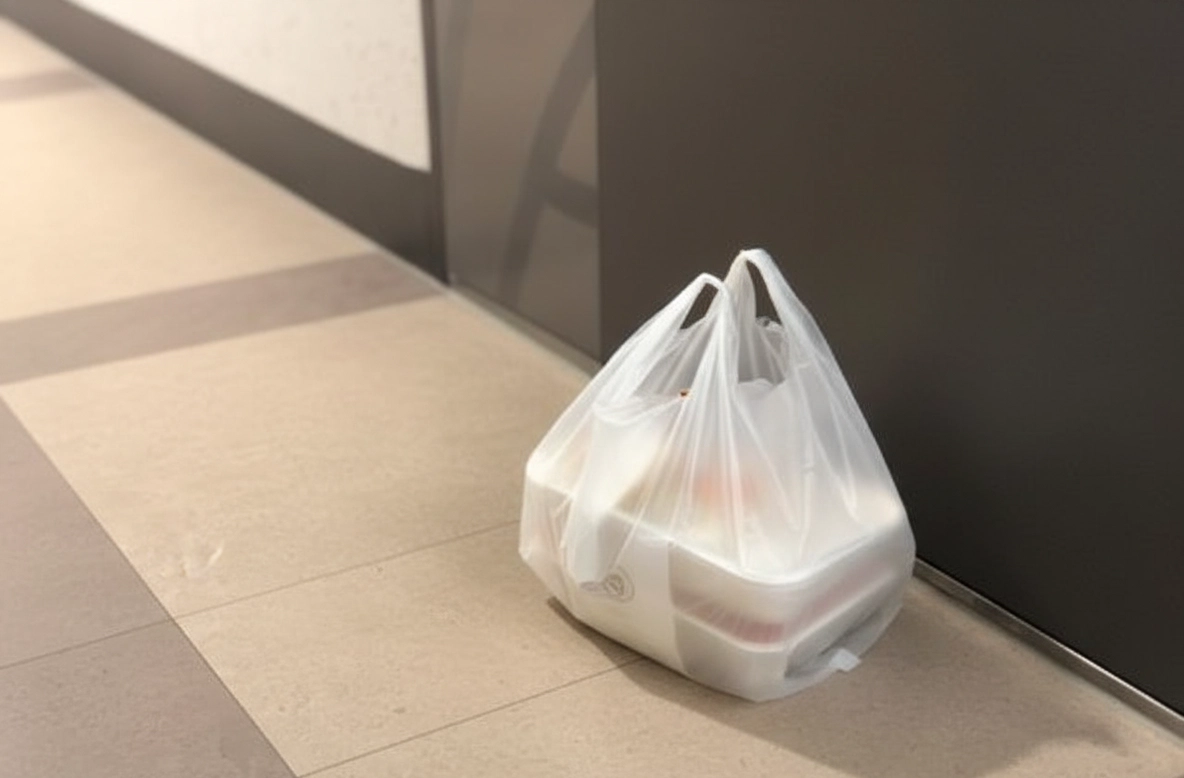
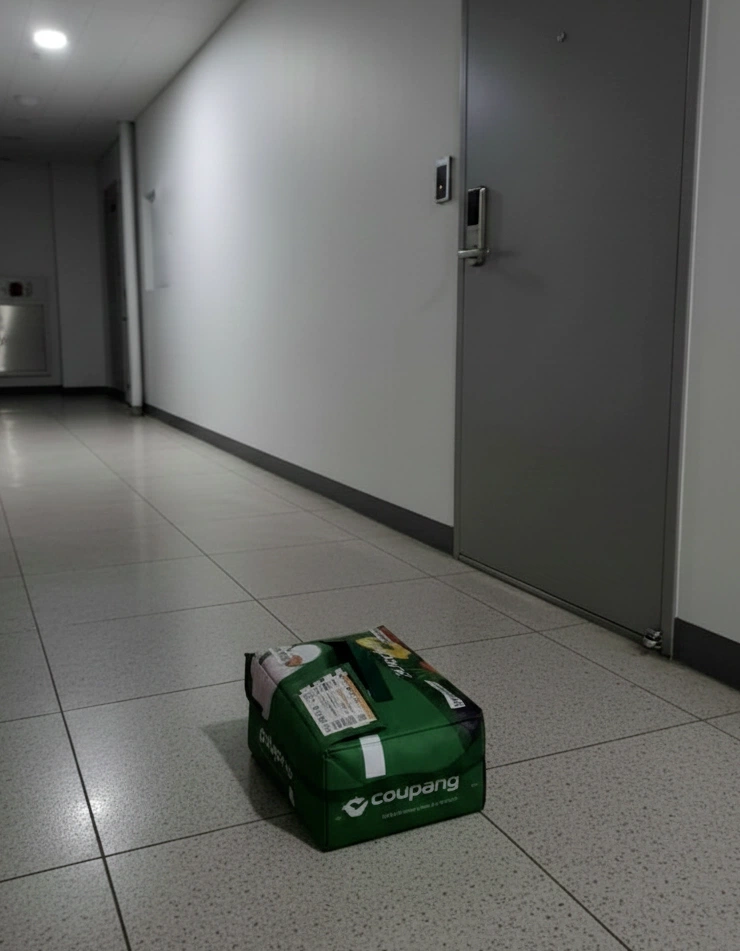
If you walk through an apartment hallway in Korea in the evening, you might notice something small—a few boxes quietly placed in front of doors. They may contain groceries packed with ice packs, clothing ordered the night before, or a freshly delivered meal, still steaming.
This everyday scene reflects a larger system. In Korea, delivery services are not just about convenience—they are an essential part of daily life.
Korean delivery culture is known for its speed, efficiency, and reliability. From food delivery to early-morning grocery services and next-day shipping, these systems shape how people shop, eat, and manage time.
But before mobile apps and real-time tracking, delivery already existed in a slower, more personal form.
A Familiar Knock at the Door
Before the rise of mobile platforms, delivery in Korea was already widely used—especially for food.
Ordering typically began with a phone call. Customers would dial a number printed on a flyer or menu and place their order directly. Back then, most households kept a collection of these printed menus on their refrigerator, often attached with magnets. They came from local restaurants such as noodle shops, fried chicken stores, and small neighborhood eateries.
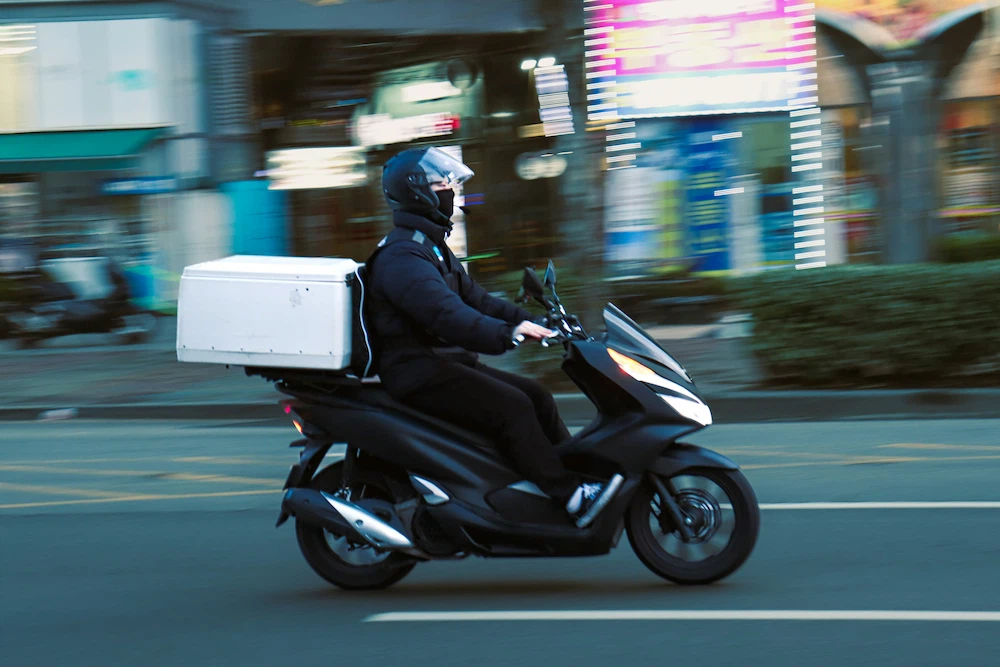
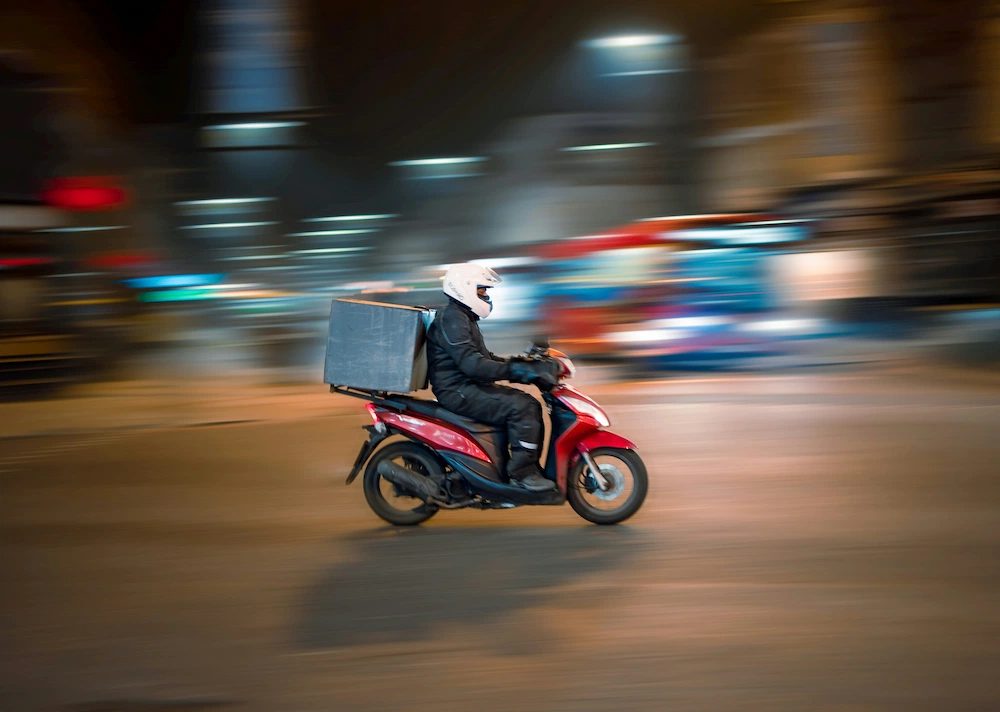
Each restaurant managed its own delivery system. Scooters were parked outside, and drivers relied on familiarity with the neighborhood rather than GPS.
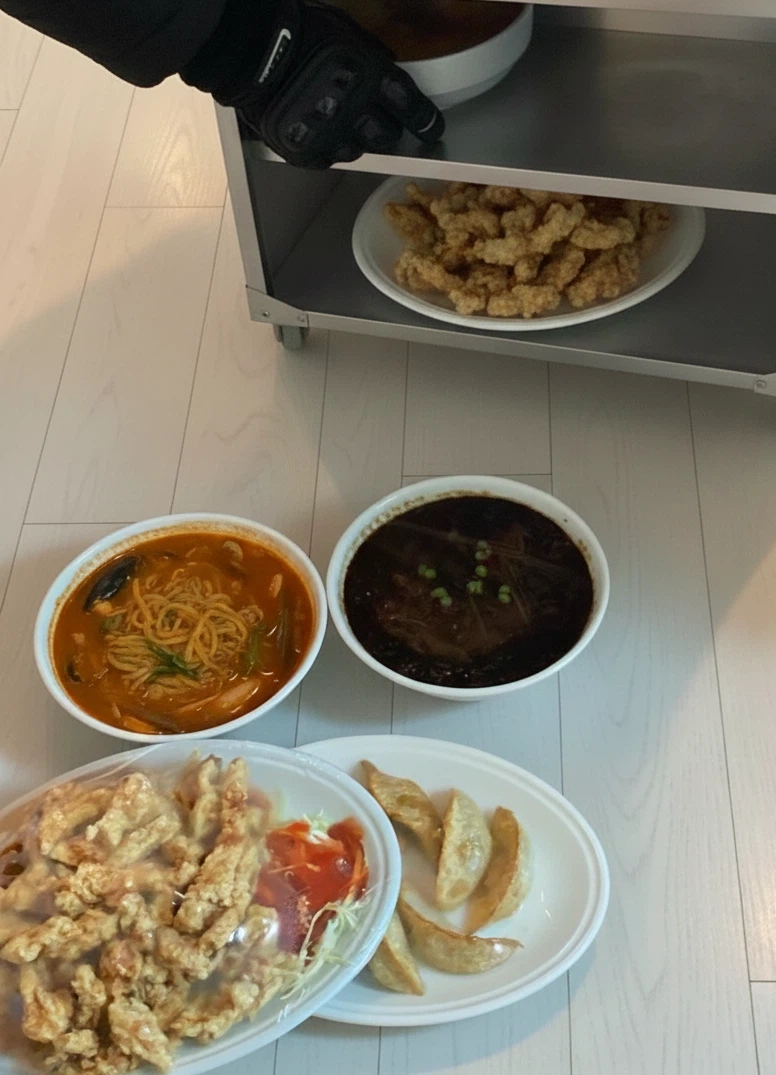
One notable difference from today was the use of reusable containers. Food was delivered in bowls stacked neatly inside a metal carrier. After the meal, customers placed the empty dishes outside their door for later collection — a practice now mostly replaced by single-use containers.
Another key feature was human interaction. Delivery staff would always hand the food directly to the customers, sometimes stepping inside briefly to place them on the counter. This made the experience feel more personal.
Delivery was fast enough to be practical, yet slow enough to feel a sense of familiarity and connection. Convenience and familiarity existed together, quietly shaping daily life.
When Ordering Went Silent
The shift toward app-based ordering did not happen all at once, but it gradually changed how people interact with delivery.
Ordering no longer required calling the restaurant — or speaking at all. You could choose a meal, place the order, and keep doing whatever you were already doing. And when contactless delivery became the norm, the interaction became even quieter: the doorbell doesn’t ring; your phone simply shows that the food has arrived. You open the door and it’s already there.
This change didn’t just affect how people ordered food. It transformed how restaurants operated. Many new restaurants now don’t have dining rooms. Some don’t have signs. These delivery-only kitchens prepare food solely for the app menus they appear on. Efficiency became the focus, not foot traffic.
This shift didn’t just affect how people order food—it also changed how daily life in Korea is experienced, especially for visitors who are encountering the system for the first time. For travelers trying to navigate this ecosystem, understanding the right apps can make a big difference. You can explore more in my guide to essential Korea travel apps in 2025.
Delivery by the Numbers
How Common Is Delivery in Korea?
The scale of delivery usage in Korea is significant and continues to grow.
- Korea’s food delivery market is estimated to exceed 25 trillion KRW (approximately 18–19 billion USD).
- In major cities, over 70% of residents use delivery services at least once a week.
- Peak usage occurs during late evenings, especially among office workers and single-person households.
These numbers show that delivery is not just an occasional convenience. For many people, it is a routine part of managing daily schedules, particularly in a fast-paced urban environment.
The Rise of Early-Morning Delivery (Saebyeok Delivery)
One of the most distinctive features of Korean delivery culture is early-morning grocery delivery, known as “saebyeok delivery.”
If an order is placed before midnight, groceries are typically delivered before 7 a.m. the next day. Items are carefully packed with insulation and ice packs to maintain freshness.
Major platforms such as Coupang (Rocket Fresh) and Market Kurly have played a key role in popularizing this system, offering reliable overnight delivery with a wide range of fresh products.
This system developed in response to lifestyle patterns in Korea. Many people work late hours and have long commutes, making it difficult to shop for groceries in the evening.
Early-morning delivery allows people to receive fresh ingredients without disrupting their schedule. It effectively shifts grocery shopping from physical stores to the home environment.
Tomorrow, Almost Anything Arrives
Fast delivery in Korea extends beyond food and groceries. Products such as clothing, electronics, household items, books, and even furniture can often arrive the next day—or even on the same day.
Taken together, these layers of delivery have quietly reshaped how time moves at home. As a result:
- Planning purchases in advance is less necessary
- Storage needs at home can be reduced
- Buying decisions can be made closer to the moment of need
This shift reflects how delivery speed influences not only logistics, but also everyday decision-making.
Why Doorstep Delivery Works in Korea
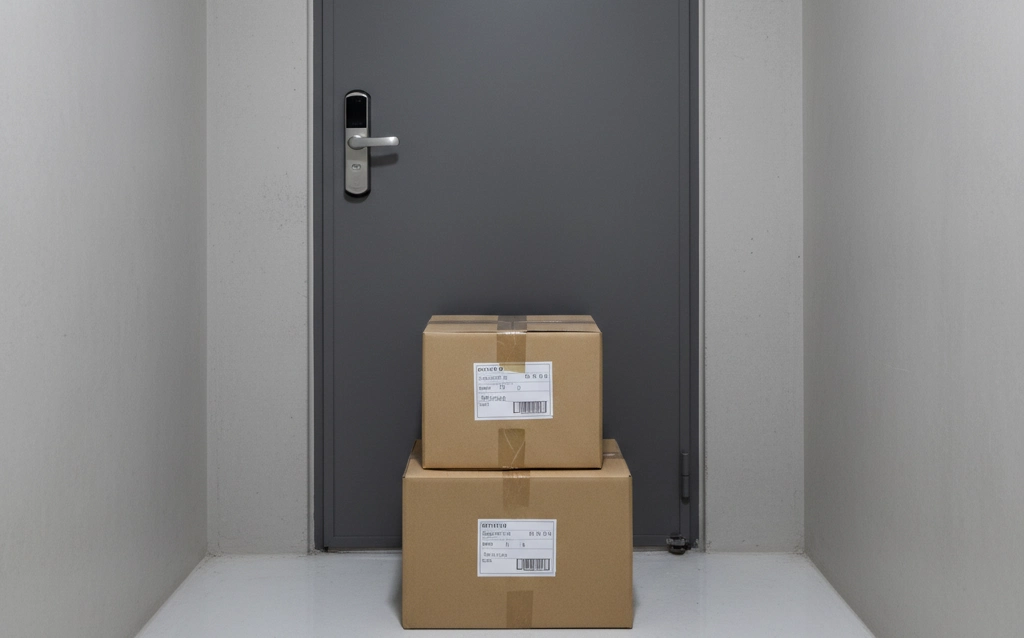
A unique aspect of Korean delivery culture is the widespread use of unattended delivery. Packages are often left in apartment hallways or at doorsteps without requiring the recipient to be present.
While this does not eliminate all risks, there is a general social expectation that items left at someone’s door belong to them and should not be disturbed. This shared understanding allows delivery systems to operate efficiently without requiring precise coordination. People can be at work, commuting, or out with friends and their packages still arrive without them needing to adjust their schedules.
Convenience in this context is supported not only by technology, but also by a level of everyday social trust. It’s a soft kind of infrastructure.
Convenience and the System Behind It
Delivery services in Korea make daily life more efficient and flexible. However, behind this convenience is a complex system supported by workers who operate across long hours, often under demanding conditions.
The growth of delivery culture reflects social realities and broader patterns, including long working hours, limited time for rest, urban density, and changing lifestyles.
Understanding this system allows us to see delivery not only as a convenience, but also as part of a larger structure that shapes modern life.