Why You Should Always Mix Bibimbap
The Real Way to Eat Bibimbap
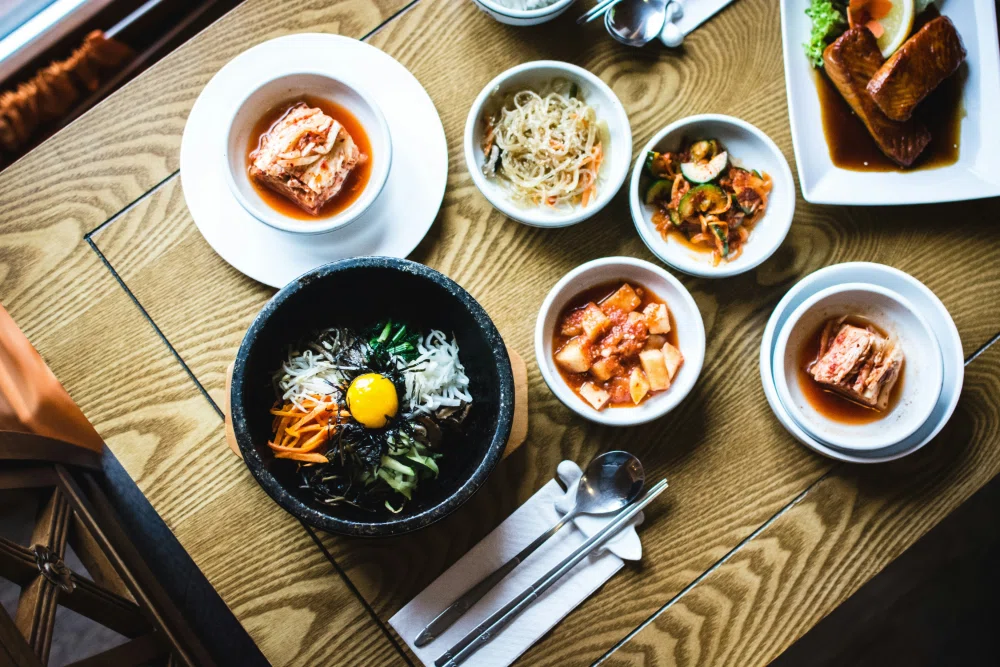
When the Spoon Hits the Bowl: The Real Way to Eat Bibimbap
It starts with a quiet clatter, then builds into a familiar rhythm. A bowl of Bibimbap arrives—colorful, carefully arranged, almost too beautiful to touch. Then, without hesitation, the mixing begins. It’s the physical act of preparing the dish for the very best experience. That scraping sound of spoon against the porcelain or stone bowl is more than just part of the meal—it signals the start of the experience.
Bibimbap, which literally means “mixed rice,” is one of Korea’s most iconic dishes. It’s a complete bowl of balanced ingredients, offering a unique combination of textures, temperatures, and tastes. It combines rice, vegetables, protein, and sauce into a single bowl designed to be mixed before eating. The key is not just the ingredients, but how they come together.
To fully enjoy Bibimbap, mixing is not optional—it is essential.
What is ‘Bibim’? The Cultural Act of Intentional Mixing
When you receive a bowl of Bibimbap, the first thing that strikes you is the visual appeal. At first glance, Bibimbap looks like a carefully arranged dish. Each ingredient is placed separately—seasoned vegetables, rice, meat, and egg—creating a visually balanced composition often inspired by the Korean concept of color harmony, Obangsaek.
However, this presentation is only the beginning. Many first-time visitors commit a common, yet understandable, mistake: they try to eat it without mixing. They carefully select a bit of namul (seasoned vegetable), a scoop of rice, and a piece of meat.
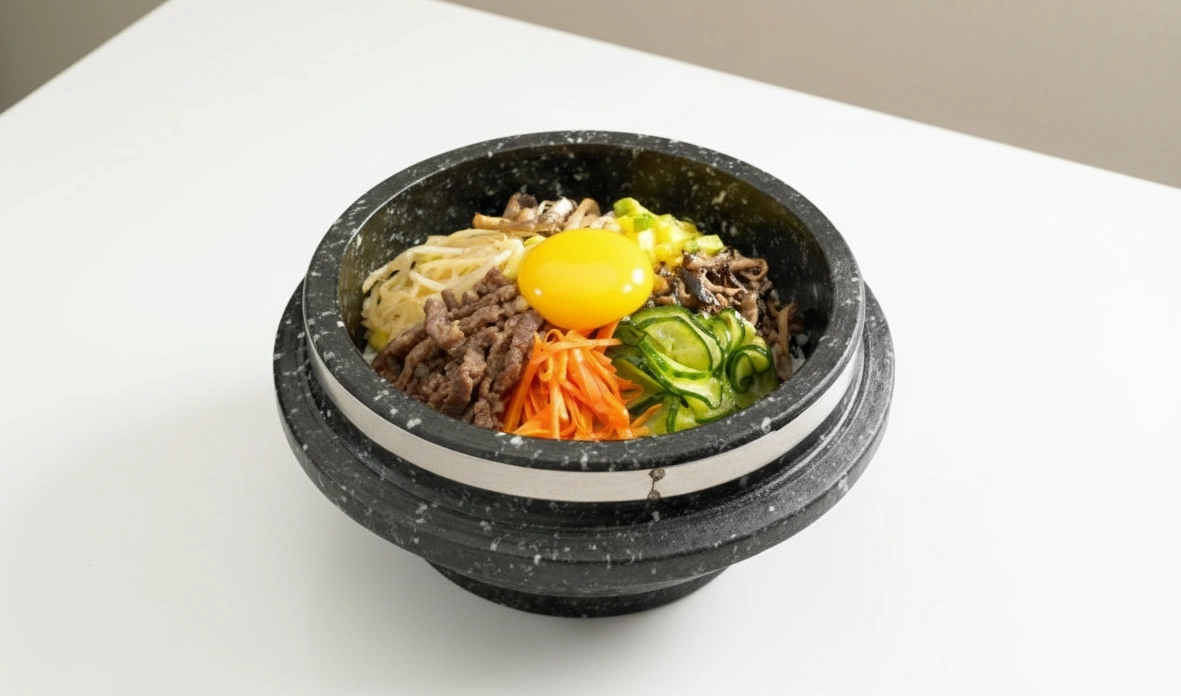
The word ‘Bibim’ (비빔) means mixing or stirring. In Korean food culture, it represents the idea of bringing different elements together to create balance. Each ingredient is prepared individually to highlight its own texture and flavor. But the final taste is only complete when everything is mixed together. The sauce coats every grain of rice, the egg adds richness, and the vegetables provide contrast in texture.
Without mixing, Bibimbap is incomplete. With mixing, it becomes a cohesive and satisfying dish.
What Goes into a Typical Bibimbap?
A classic Bibimbap includes a combination of simple but carefully prepared ingredients:
- Rice: Warm rice as the base
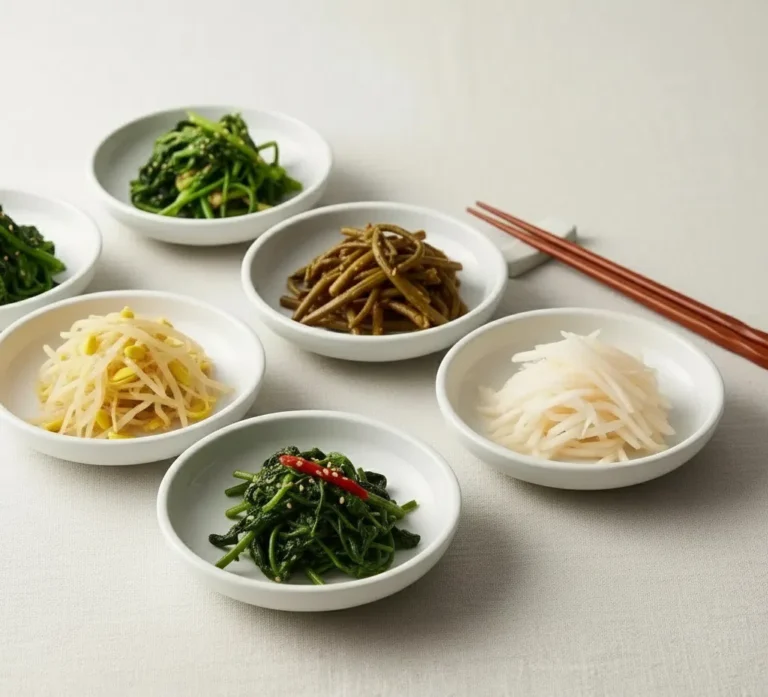
- Namul (seasoned vegetables): Spinach, bean sprouts, zucchini, fernbrake, and radish
- Protein: Thinly sliced or chopped meat, Bulgogi, tofu, or just an egg
- Sauce: Usually Gochujang (Korean chili paste), sometimes soy sauce
- Topping: Sesame oil and sesame seeds
The balance of these ingredients is what makes Bibimbap both nutritious and satisfying.
Dolsot vs. Regular Bibimbap: What’s the Difference?
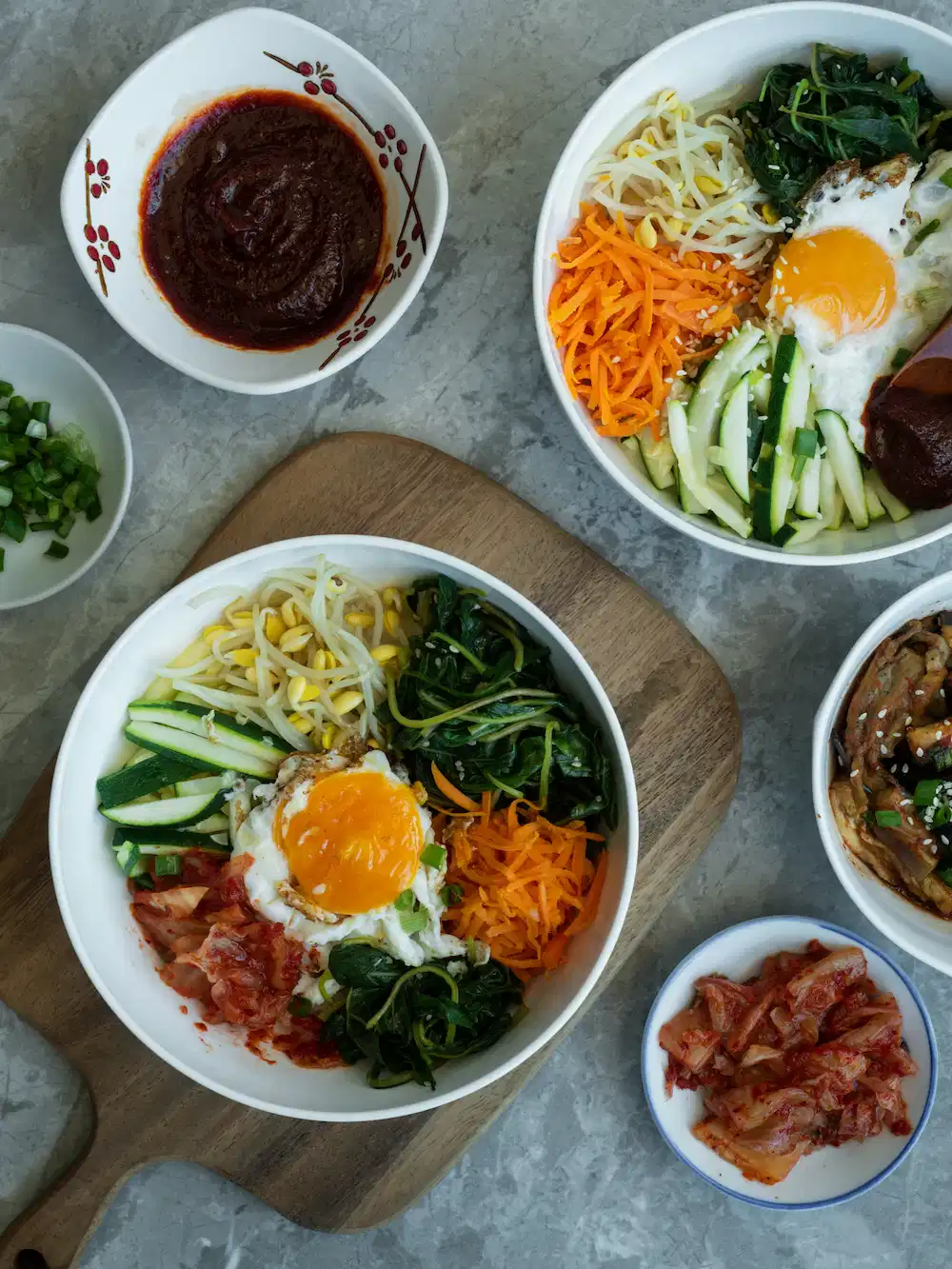
When ordering Bibimbap in Korea or abroad, you’ll most often encounter two major styles of bibimbap. They offer vastly different experiences, mainly revolving around temperature and texture.
Regular Bibimbap is served in in a regular ceramic or metal bowl. The ingredients remain fresh, and the focus is on clean, balanced flavors.
Dolsot Bibimbap(돌솥 비빔밥), on the other hand, is served in a heated stone bowl. The moment it arrives, you can hear the sizzling sound from the hot surface.
This version requires immediate mixing. The heat gently cooks the egg and warms the ingredients, while creating a crispy layer of rice at the bottom, known as “nurungji.”
This contrast between soft and crispy textures is what makes Dolsot Bibimbap especially popular.
Korean Dolsot Bowl
Pro Tip: An Easy Way to Enhance the Flavor
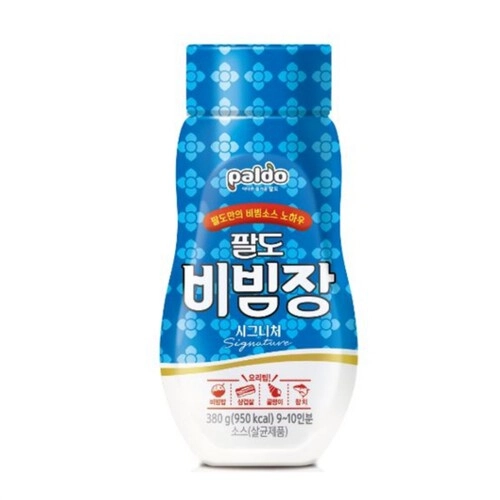
Paldo Bibim Sauce
While traditional Bibimbap uses gochujang as its base sauce, many Koreans also use pre-mixed sauces(비빔장) for convenience.
These ready-made sauces are designed to balance sweetness, spice, and acidity, making it easier to recreate the classic Bibimbap flavor at home without measuring multiple ingredients.
They are especially useful for beginners who want a quick and reliable result.
How Koreans Eat Bibimbap at Home: Refrigerator Clean-Out
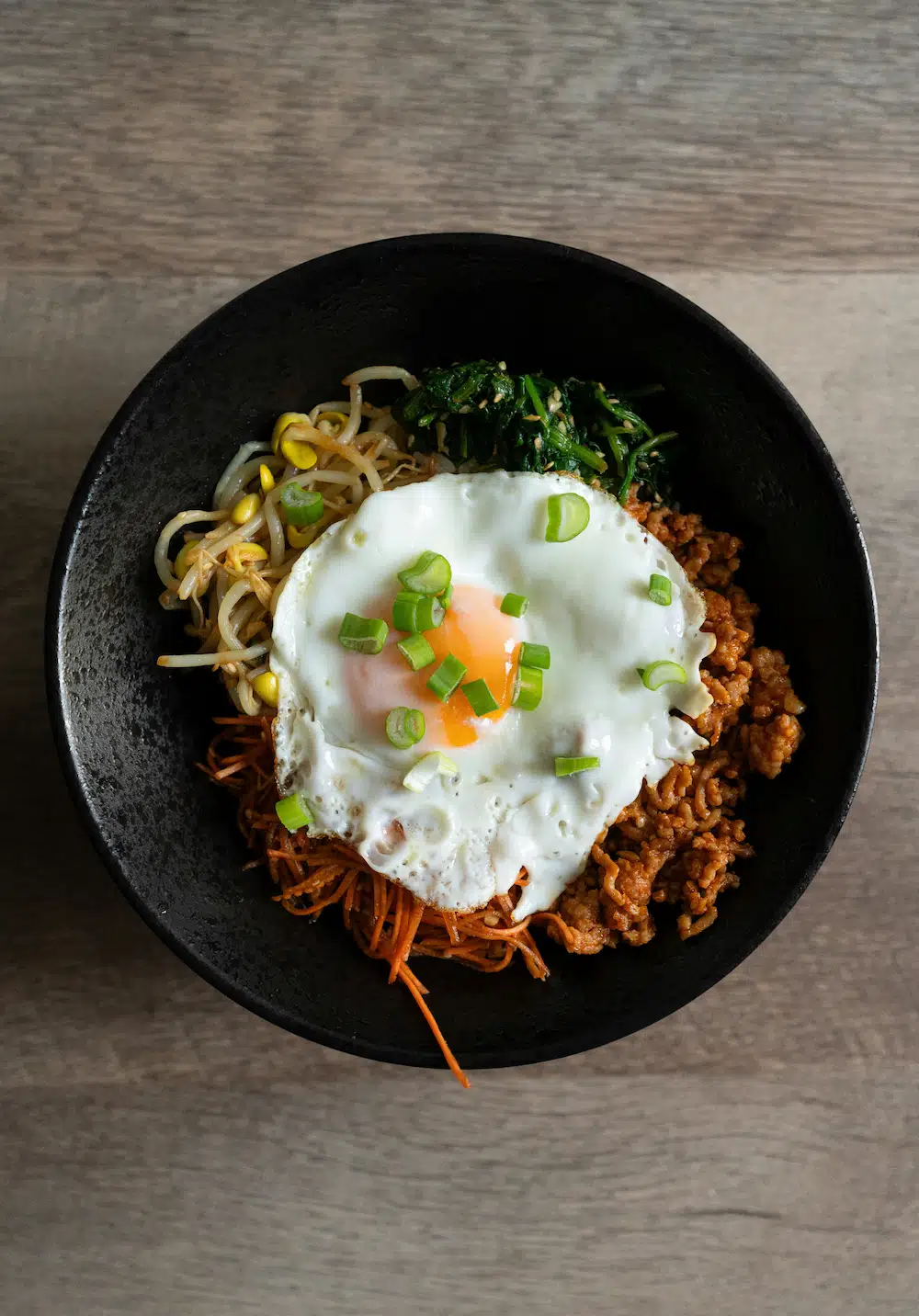
While restaurant Bibambap is known for their elaborate, picture-perfect arrangements, home-style Bibimbap is much simpler.
Bibimbap is one of the most practical and beloved dishes eaten at home. It is often made using leftover side dishes and Namul (seasoned vegetable) from previous meals. Instead of preparing everything from scratch, Koreans combine small portions of vegetables into one bowl of rice. It is the ultimate leftover hero.
A common ingredient in home-style Bibimbap is Kongnamul (soybean sprouts), which adds a light crunch and freshness.
In many cases, it is simply rice, vegetables, and a fried egg—but it remains just as satisfying. I remember my own childhood Bibimbap wasn’t fancy; it was a bowl of warm rice, whatever leftover vegetables my mother had, and the special addition of two fried eggs. It felt easy, nourishing, and always tasted fantastic.
Quick Recipe for Easy Bibimbap
Here are two quick, authentic versions Koreans rely on daily:
✔️ Spicy Tuna Bibimbap (Gochu Chamchi Bibimbap)
- Mix rice with canned spicy tuna (Gochu Chamchi)—a popular Korean canned product.
- Add a scoop of the namul you have or sliced lettuce.
- Finish with a generous amount of gim (roasted seaweed flakes 김자반) and some mayo sauce.
- A quick, flavorful meal packed with protein and umami.
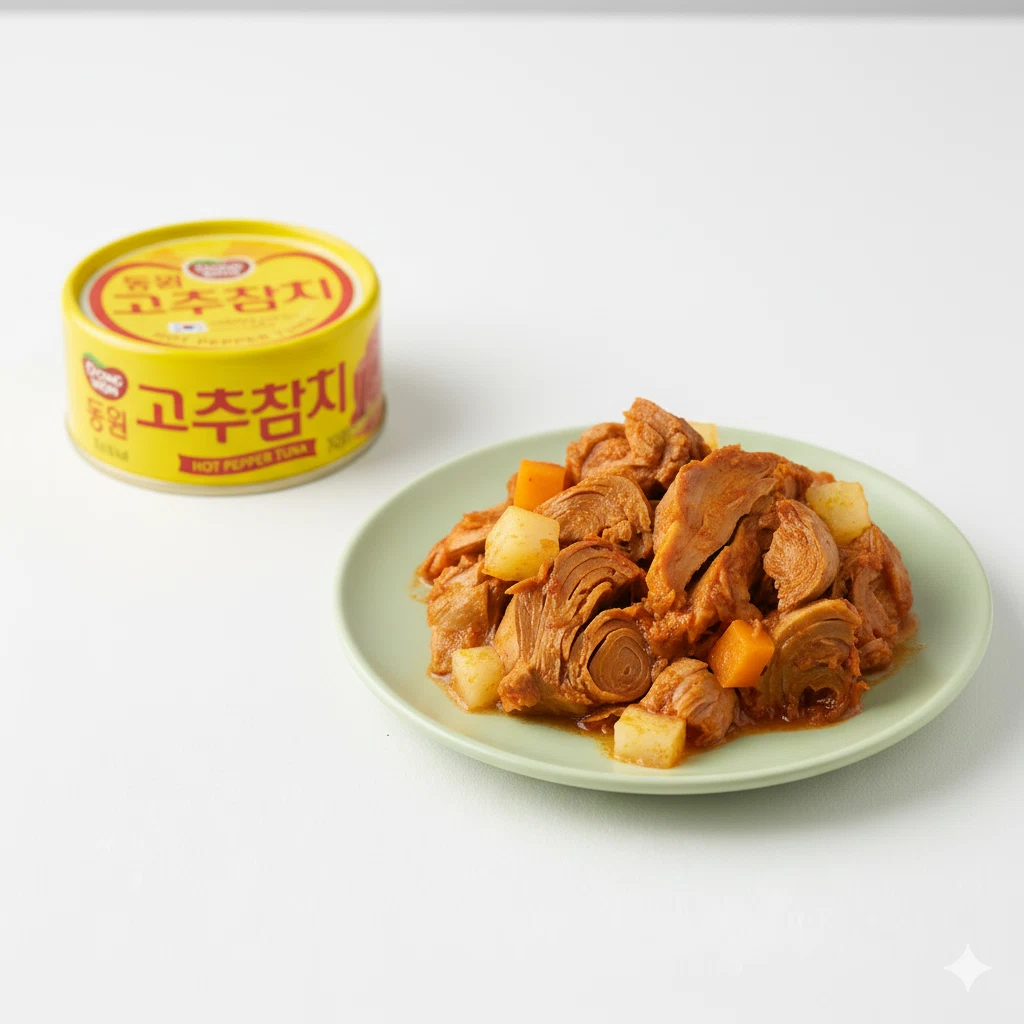
Dongwon hot pepper tuna
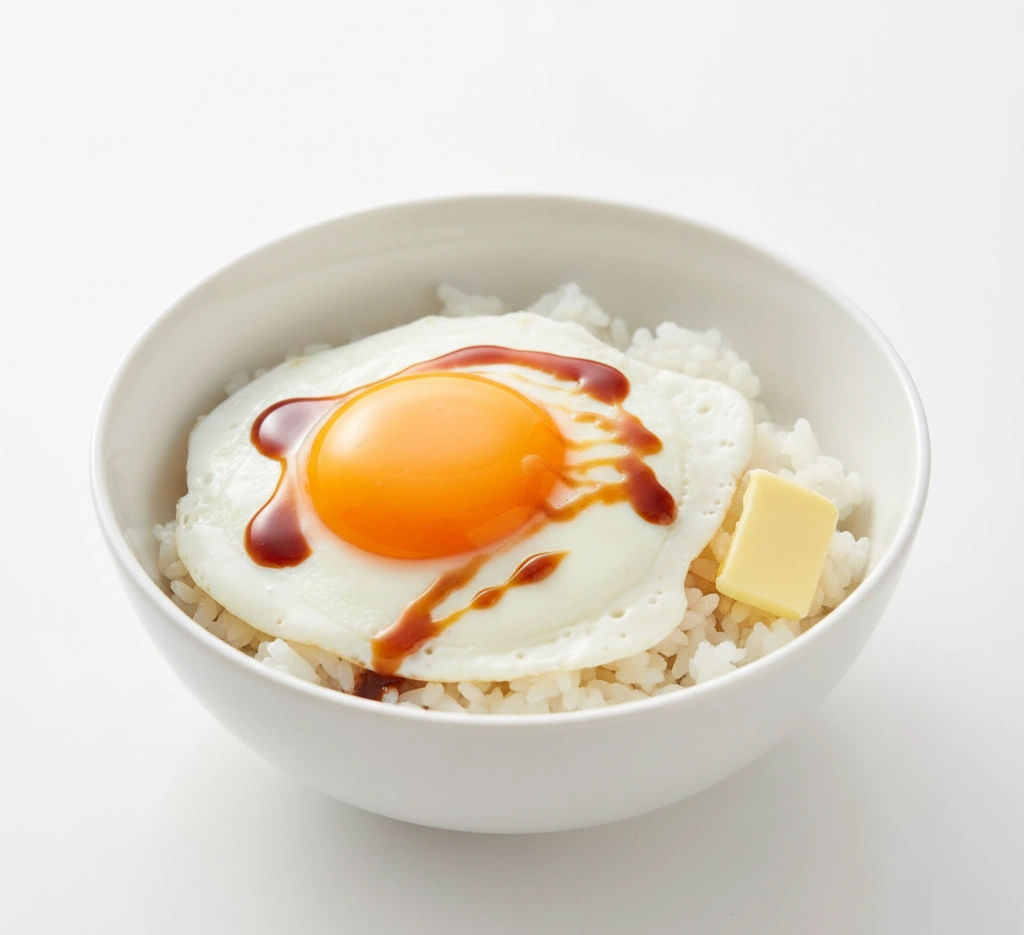
✔️ Ganjang-Gyeran Bap (Soy Sauce Egg Mixed Rice)
- Mix hot rice with 1-2 spoons of soy sauce, 1 spoon of sesame oil, and a dash of butter (optional).
- Top with a perfectly fried sunny-side-up egg (one or two) and a sprinkle of crushed sesame seeds.
- The simplest, most comforting form of Bibimbap.
Practical Tips for First-Time Bibimbap
- Always mix thoroughly before eating
- Adjust the amount of sauce to your taste (Add Gochujang little by little)
- If using a hot stone bowl, mix quickly to avoid burning
- Don’t be afraid to customize ingredients
Bibimbap is flexible, so you can adapt it to your preferences!
A Simple Dish with a Complete Experience
Bibimbap is simple in concept but complex in flavor.
It requires only one action—mixing—but that small step transforms separate ingredients into a complete and balanced dish. More than just a recipe, it reflects a way of thinking about food: harmony, balance, and efficiency. It also gives you the joy of finding something new in something familiar, the comfort of a healthy, complete meal in one convenient bowl.
Whether you try it in a restaurant or make it at home, Bibimbap offers a satisfying experience in every bowl. If you’ve already tried the classic or Dolsot Bibimbap, why not challenge yourself to create your own signature Bibimbap recipe?