Korean Convenience Store Culture Explained
Why Convenience Stores Became Part of Everyday Life in Korea
The Store That Never Really Sleeps
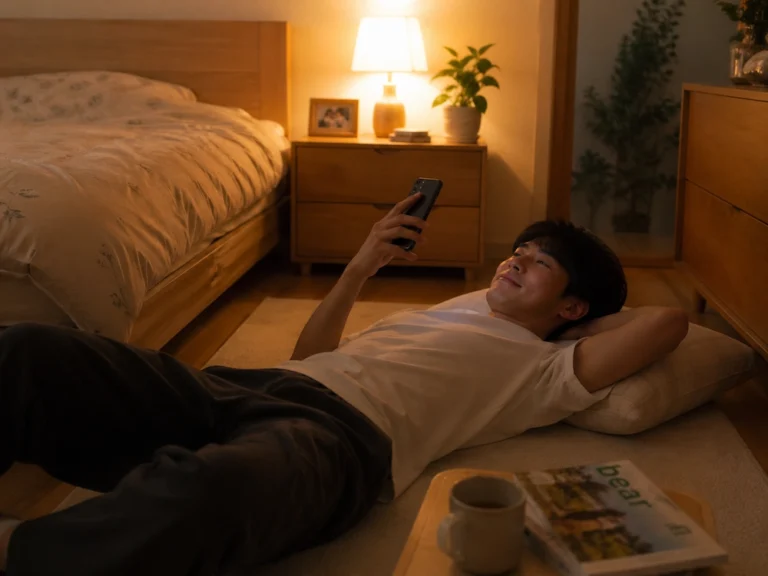
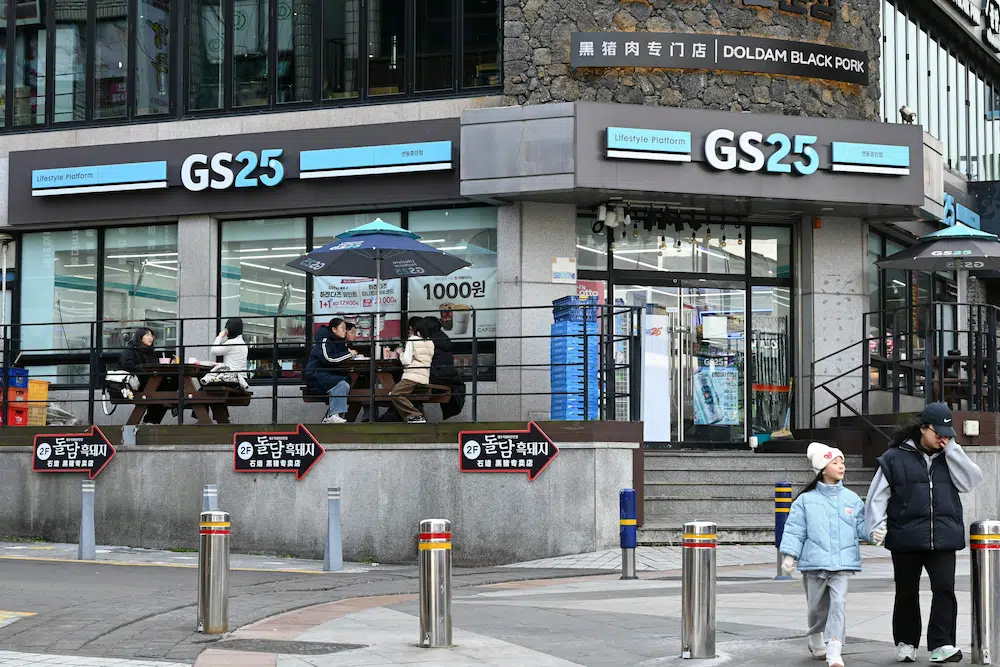
Late at night in Korea, convenience stores begin to feel different. Office workers stop by after long evenings. Students sit outside with instant ramen and canned coffee. Someone quietly picks up a delivery package on the way home. Another person walks in wearing slippers just to buy a hangover drink before bed. The lights are always on, but the atmosphere rarely feels rushed.
In many countries, convenience stores are simply places to buy snacks or cigarettes. In Korea, they feel more like small extensions of daily life — part kitchen, part break room, part emergency stop. I used to stop by one around 11 p.m. after late dinners or company gatherings, usually to grab a cup ramen and a hangover drink before going home. It never felt like shopping. It felt like part of ending the day.
Why Convenience Stores Became So Important in Korea
Korea’s convenience store culture did not develop by accident. It grew alongside the structure of modern Korean cities. Dense urban neighborhoods, long working hours, late-night routines, and single-person households all created demand for spaces that stay open, move quickly, and solve small daily problems immediately.
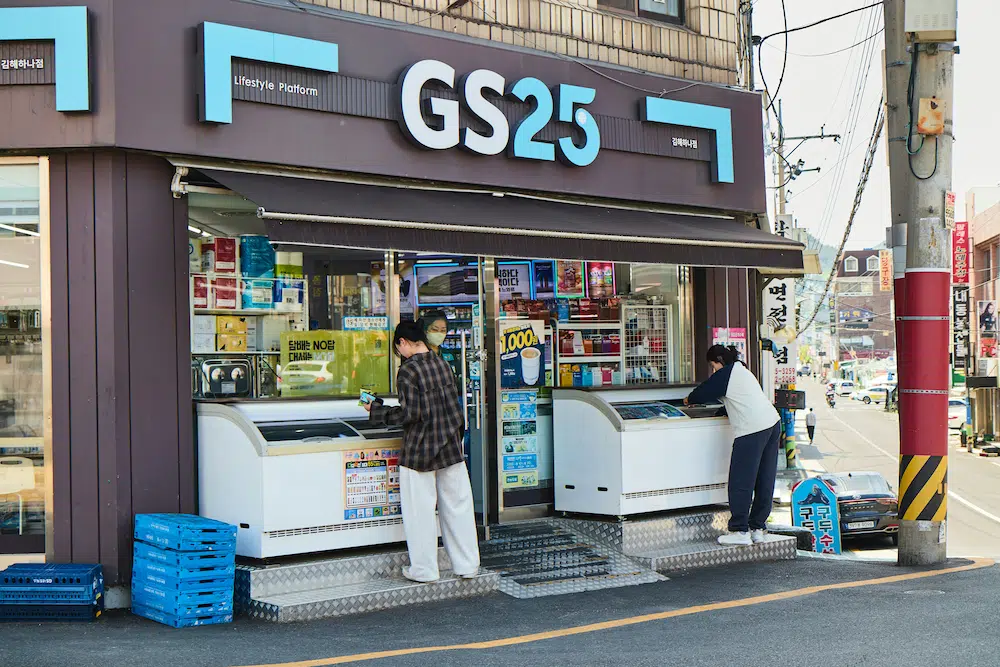
In many apartment districts, you can find multiple convenience stores within a few minutes of walking distance. Their role is not only commercial. They reduce friction in everyday life. Need toothpaste at 1 a.m.? A phone charger before work? A quick meal after the subway stops running? The answer is usually nearby.
This accessibility fits naturally into Korea’s fast-paced lifestyle. People often describe Korean culture with the phrase ppali-ppali (빨리빨리), meaning “quickly, quickly.” Convenience stores became one of the physical systems supporting that speed. But speed alone does not explain their popularity.
What makes Korean convenience stores unique is how many parts of daily life they quietly absorb. They are no longer just retail spaces. They function as small lifestyle platforms. Many stores now handle:
- package pickup and sending services
- ATM banking
- bill payments
- printing
- self-service coffee machines
- basic medicine and emergency supplies
The boundary between “store” and “daily infrastructure” has become surprisingly thin. This fast-paced lifestyle also shaped Korea’s delivery culture and late-night eating habits. Convenience stores exist within the same ecosystem of speed, accessibility, and flexible urban living.
More Than Snacks: What People Actually Buy at Korean Convenience Stores
Foreign visitors often enter Korean convenience stores expecting simple snacks and drinks. Instead, they find something closer to a miniature food ecosystem.
Triangle kimbap, lunch boxes, instant ramen, hot snacks, seasonal desserts, protein drinks, probiotic yogurt, iced Americanos, even skincare samples — the range changes constantly. But what makes these stores interesting is not only the variety. It is how quickly trends move through them.
In Korea, convenience stores often respond to consumer trends faster than supermarkets or restaurants. Limited-edition desserts appear almost weekly. Popular cafés, K-pop characters, fashion brands, and even famous restaurants frequently collaborate with major convenience store chains such as GS25, CU, 7-Eleven, and emart24. The stores feel unusually connected to online culture, where viral products can spread nationwide within days.
At the same time, Korean convenience stores developed a strong “DIY dining” culture. People rarely consume products exactly as intended. Instead, they combine them. This trend is often called modisumer culture — consumers modifying products to create new experiences. Mixing ramen flavors, adding cheese sticks to instant meals, or recreating viral convenience store recipes from YouTube and TikTok became part of everyday food culture. The convenience store stops feeling like a place that simply sells food. It becomes a place where people casually experiment with food itself.
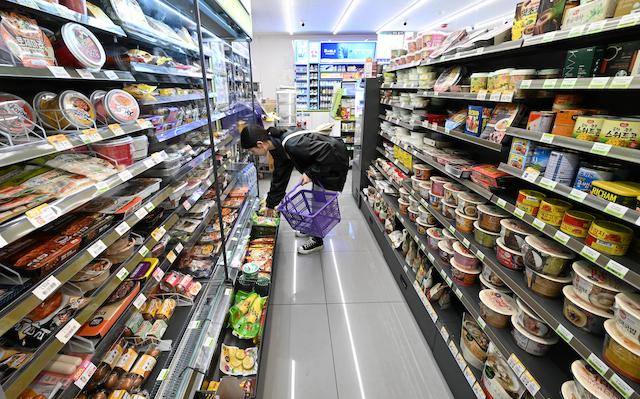
Another noticeable shift is the evolution of PB (private brand) products. In the past, PB items were mostly associated with cheaper alternatives. Today, many convenience store lunch boxes, desserts, and drinks are designed to compete on quality and trend appeal rather than price alone. That shift reflects something larger about Korean consumer culture: convenience no longer automatically means low quality.
Korean Convenience Store Tips First-Time Visitors Should Know
For first-time visitors, Korean convenience stores can feel surprisingly advanced. A few small details make the experience much easier.
- Many Korean convenience stores are designed for immediate eating rather than simple shopping. It is common to find microwaves, hot water machines, ramen cookers, and small seating areas inside or outside the store.
- Look for “1+1” or “2+1” signs, which mean buy-one-get-one or bundle promotions.
- Some stores allow package pickup and printing through kiosks.
- Late at night, convenience stores often become one of the few easily accessible places to eat.
- Popular items can sell out quickly, especially limited-edition desserts or collaboration products.
Unlike supermarkets, convenience stores in Korea are designed less for bulk shopping and more for immediate daily needs.
The Late-Night Convenience Store Scene
One of the most distinctive parts of Korean convenience store culture appears late at night. Outside many stores, especially near universities, residential neighborhoods, or the Han River, people sit at small plastic tables eating ramen or drinking canned beer together.
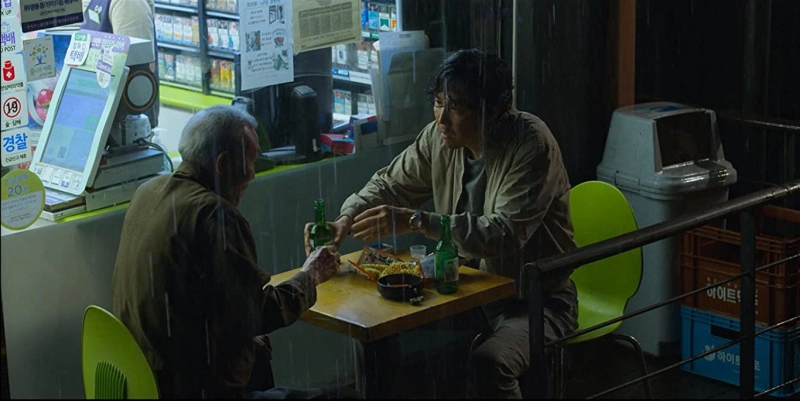
It is casual, inexpensive, and strangely comfortable. The atmosphere feels different from restaurants or cafés. There is less pressure to stay stylish, spend money, or socialize intensely. People simply exist there for a while. The line between public and private space becomes softer. Office workers decompress after work. Friends continue conversations after missing the last subway. Someone eats alone without feeling particularly lonely.
The convenience store becomes a lightweight social space. Even the design supports this openness. Large windows, outdoor seating, self-service ramen machines, microwaves, and open accessibility make these stores feel less transactional and more inhabitable. The store is always temporary, yet people return constantly. This is also why convenience stores are deeply connected to Korea’s late-night snack culture. Many everyday Korean “yasik” habits naturally begin or end at convenience stores.
Why Convenience Stores Feel Different to Visitors
Many visitors are surprised not only by the products, but by how smoothly the entire system operates. Stores remain clean despite constant traffic. New products rotate quickly. Even late at night, the experience rarely feels chaotic.
There is also a strong sense of accessibility. In many Korean cities, another convenience store is usually only a few minutes away. If you forgot an umbrella, charger, toothpaste, or even a quick dinner, the solution is often nearby.
For travelers, this changes how the city feels. Daily life becomes easier to navigate spontaneously, without needing to plan every small situation in advance. The bright lights and constant activity also create a subtle sense of comfort late at night. Even in quiet neighborhoods, convenience stores make the city feel active, visible, and still awake.
Are Korean Convenience Stores Actually Cheap?
Korean convenience stores are often associated with affordability, but the reality is more nuanced.
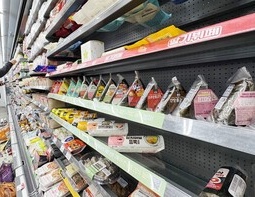
Some products are genuinely inexpensive, especially meal combinations and promotional bundles. Stores frequently run “1+1” or “2+1” events, where customers receive additional items for free when purchasing specific products. These promotions became a familiar part of everyday shopping culture in Korea.
At the same time, convenience comes with a premium. Fresh fruit, imported snacks, or trendy desserts can cost noticeably more than supermarket prices. Many people still rely on larger grocery stores for weekly shopping while using convenience stores for flexibility and immediacy.
In many cases, the value is less about saving money and more about saving time, reducing effort, and simplifying small decisions during busy days. That trade-off reflects modern Korean urban life surprisingly well.
What Convenience Stores Reveal About Modern Korea
Korean convenience stores reveal more than shopping habits. They reflect how modern Korean cities organize time, space, and daily movement.
People live quickly, often in compact spaces, with long commutes and unpredictable schedules. Convenience stores help absorb that pressure. They provide food, services, temporary rest, and small moments of comfort without requiring much planning.
The system feels highly optimized, but also strangely human. A convenience store can function as a quick dinner spot, a meeting place, a late-night emotional reset, or simply somewhere to pause under bright lights for ten quiet minutes.
The stores are efficient. But they also soften the edges of urban life. In that sense, Korean convenience stores are not only retail spaces. They are part of the emotional infrastructure of the city.
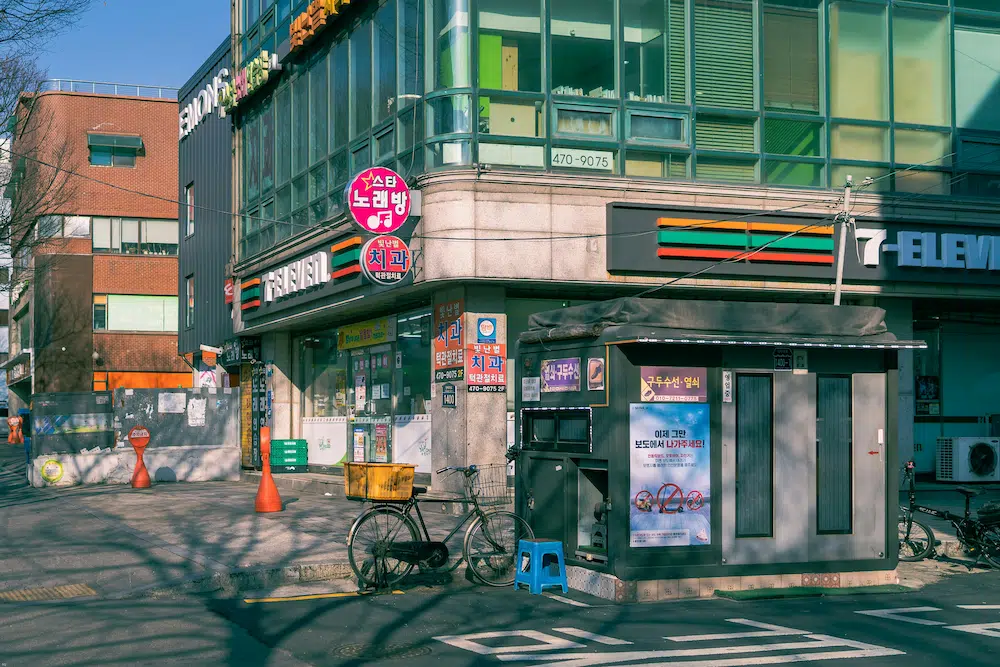
The Quiet Infrastructure of Korean Daily Life
In Korea, convenience stores quietly fill the gaps between larger parts of life.
They appear after missed trains, long workdays, late-night cravings, sudden rain, or moments when people simply do not want to go home yet. Over time, they stop feeling like retail spaces and start feeling like part of the city’s everyday rhythm itself.
Understanding Korean convenience store culture is ultimately about understanding how modern Korean life balances speed with comfort, efficiency with familiarity, and constant movement with small moments of pause.