Why Do Some K-Beauty Brands
Go Global First Before Going Big in Korea?
The New Flow of K-Beauty: Global Recognition Before Domestic Popularity

K-Beauty Brands You’ve Never Seen in Korea
K-beauty is no longer growing in a predictable way. In the past, most Korean beauty brands built their reputation locally before expanding overseas. Today, that order is changing.
Many emerging K-beauty brands are gaining international popularity before becoming widely known in Korea. This “global-first” strategy reflects a shift in how beauty trends spread in the digital era.
I first noticed this while standing in a drugstore in Paris. I picked up an ampoule labeled in Hangul, but I had never seen the brand in Korea. When someone asked if it was popular, I realized I didn’t have an answer. This experience highlights a broader change: global audiences are now playing a key role in shaping K-beauty trends.
Brands That Hit Abroad Before Korea
Take TIRTIR, for example.
Instead of a slow domestic rise, TIRTIR found fame in Japan. Its Mask Fit Cushion became a viral hit praised for its incredible longevity and natural finish.
What’s interesting is that it was already sold in Korea—but Japanese fans made it go viral first, bringing it back into the spotlight at home. It’s a reverse flow: global first, then local recognition.
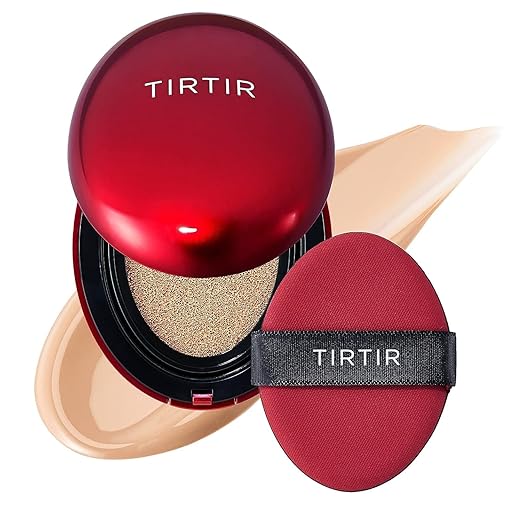
TIRTIR | MASK FIT RED CUSHION
Beauty of Joseon, or 조선미녀, tells a different story.
Inspired by traditional Korean aesthetics, it reinterprets the calm, understated elegance of the Joseon dynasty for today’s world. Overseas beauty communities embraced it early, describing it as clean, gentle, and effective. Its minimalist design and traditional concept stood out in a market filled with maximalist branding.
Ironically, many Koreans hadn’t even heard of this very “Korean” brand until it gained international buzz. It’s a fascinating reminder that global audiences now help define what K-beauty means.
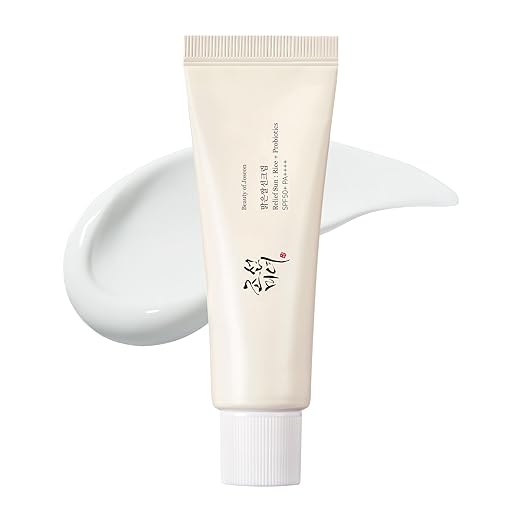
Beauty of Joseon | Relief Sun : Rice + Probiotics
And then there’s COSRX, the quiet powerhouse.
Already known at home, it reached another level when its Snail Mucin line exploded internationally. From TikTok routines to Reddit skincare threads, glowing reviews turned it into a viral favorite. That wave of attention reignited its popularity in Korea, transforming it into a global skincare staple.
COSRX’s rise proves that influence now moves in both directions—global to local, and back again.
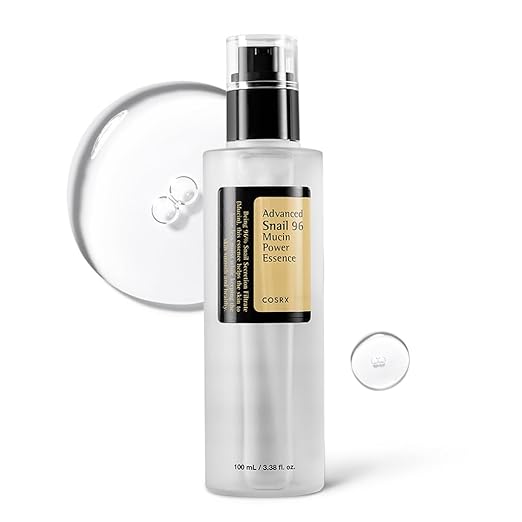
COSRX | Advanced Snail 96 Mucin Power Essence
Why This Shift Matters
The rise of globally recognized K-beauty brands reflects several key changes in the industry:
- Faster trend cycles driven by social media platforms
- Direct communication between brands and international consumers
- Reduced reliance on traditional domestic distribution channels
As a result, brands can test products, gather feedback, and refine their identity on a global scale from the very beginning.
The New Strategy: Global First, Then Local
Traditionally, Korean beauty brands expanded overseas after achieving strong domestic recognition. Today, many brands are reversing that order — not by accident, but by design.
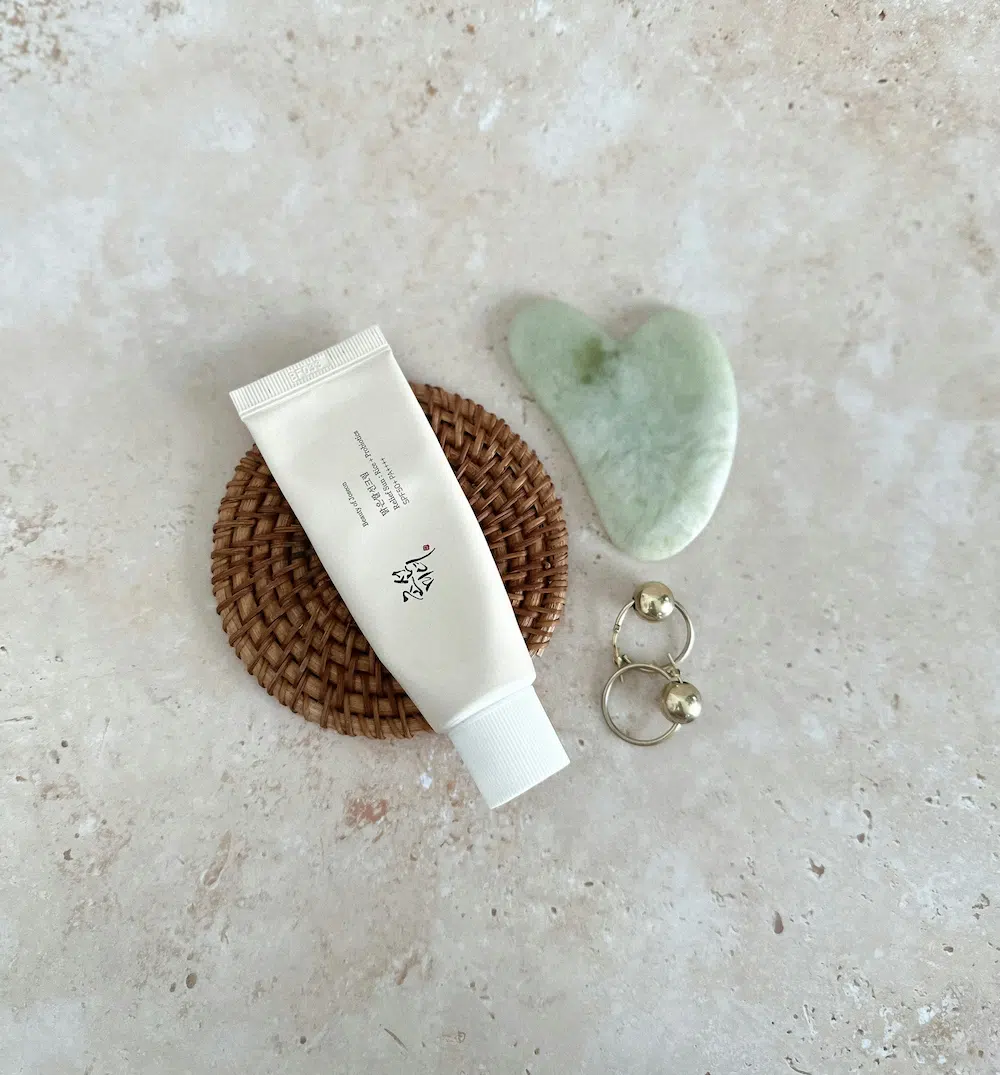
In Korea, the beauty market is already highly saturated and fast-moving. New brands compete in an environment where consumers are quick to try, but just as quick to move on. Gaining long-term attention locally can be surprisingly difficult.
By contrast, global markets are still in a discovery phase. International consumers are more open to exploring new K-beauty brands, often encountering them for the first time through social media, online reviews, or influencer recommendations.
This creates a unique opportunity: instead of fighting for limited attention at home, brands can build momentum abroad, where curiosity is higher and competition feels less concentrated.
At the same time, digital platforms have removed traditional barriers. Brands no longer need large-scale domestic distribution to grow. They can launch globally through online channels, collect real-time feedback, and refine products based on how people actually use them.
What’s especially interesting is how this feedback loop works. A product tested abroad doesn’t just stay there — it often returns to Korea with stronger validation. In a way, global popularity becomes a new form of credibility. This is why the flow has changed. It’s no longer just “Korea to the world.” It’s a continuous loop — global, local, and back again.
Pro Tip
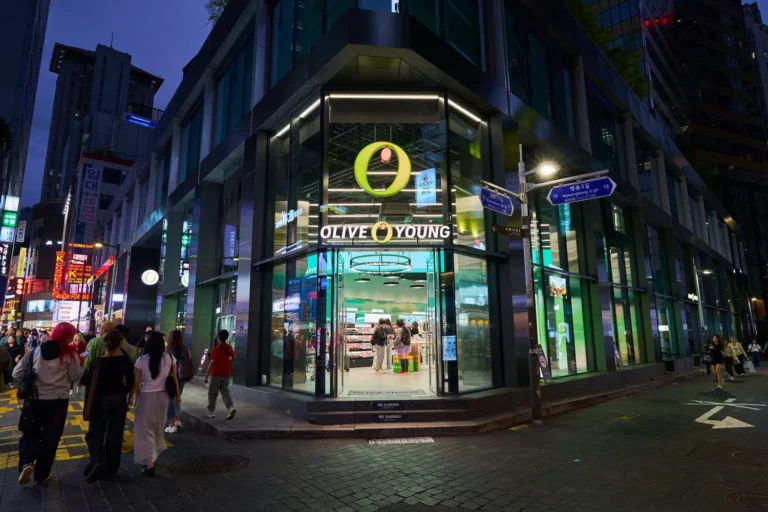
Leave an review after trying a Korean product in Olive Young or the brands’ official websites.
Many brands actively reformulate based on global feedback — you might see your favorite serum might come back improved, just as you wished.
How Global Feedback Shapes K-Beauty
Modern K-beauty brands are no longer shaped in a single place. Instead, they evolve through constant interaction with users across different countries, climates, and lifestyles.
What stands out is not just that brands are “global,” but how they interpret that global feedback.
TIRTIR, for example, doesn’t just focus on coverage — it feels engineered for real-life wear. Long days, long hours, changing environments. Its popularity abroad reflects a demand for durability that goes beyond studio-perfect makeup.
Beauty of Joseon takes a different approach. Its appeal isn’t loud or immediate. Instead, it builds slowly through texture, comfort, and a certain quiet elegance. It resonates especially with users looking for skincare that feels gentle, minimal, and almost meditative.
COSRX sits somewhere in between. Its strength is clarity — simple formulas, direct solutions, and a focus on specific skin concerns. It’s the kind of brand that doesn’t try to impress at first glance, but becomes essential over time.
These differences reveal something important. K-beauty today isn’t defined by a single aesthetic or standard. It’s shaped by how well a product fits into real lives — across different routines, preferences, and expectations.
A decade ago, K-beauty felt more unified, even predictable. Today, it feels more open, more experimental, and more responsive. And that shift is largely driven by the people using it, not just the brands creating it.
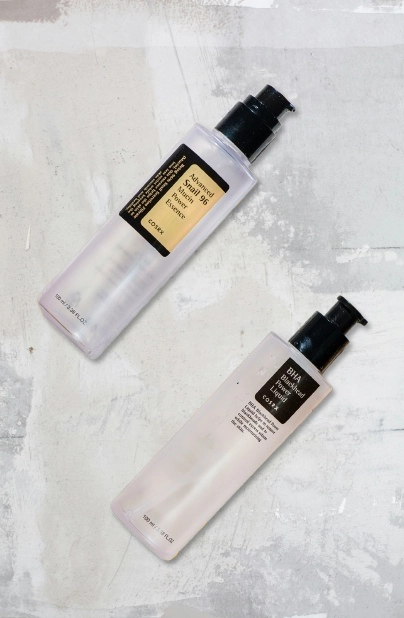
Global Appeal in Action
Despite their differences, these brands share a common mindset: Listen first, create later.
They don’t assume what users want — they observe how products are actually used, discussed, and adapted in everyday routines. That’s why many K-beauty products feel intuitive even to first-time users.
Experiencing K-Beauty abroad highlights how each brand balances diversity, practicality, and attention to detail. Beyond high quality ingredients, they communicate the experience of using the product, making it easy for first-time users to understand and enjoy.
As someone living in Germany, I still find myself drawn to new Korean launches. Maybe it’s that mix of innovation and familiarity that keeps me coming back.
A New Direction for K-Beauty
Experiencing K-Beauty today reveals how it moves across cultures, shaped by the people who use it.
Some brands become global first, not because they skip Korea, but because the path itself has changed. Recognition can start anywhere now, and meaning is built along the way. As brands interact with different audiences, their identity naturally evolves. What begins as a local idea can transform through global use — shaped not just by intention, but by experience.
K-beauty is no longer a one-way export. It’s a conversation — and anyone, anywhere can shape what comes next.