Ever Tried Korean Ssam?
One Bite, Endless Flavor & Fun
How to Make and Eat Korean Ssam
What Is Korean Ssam? A Hands-On Way to Enjoy Korean Food
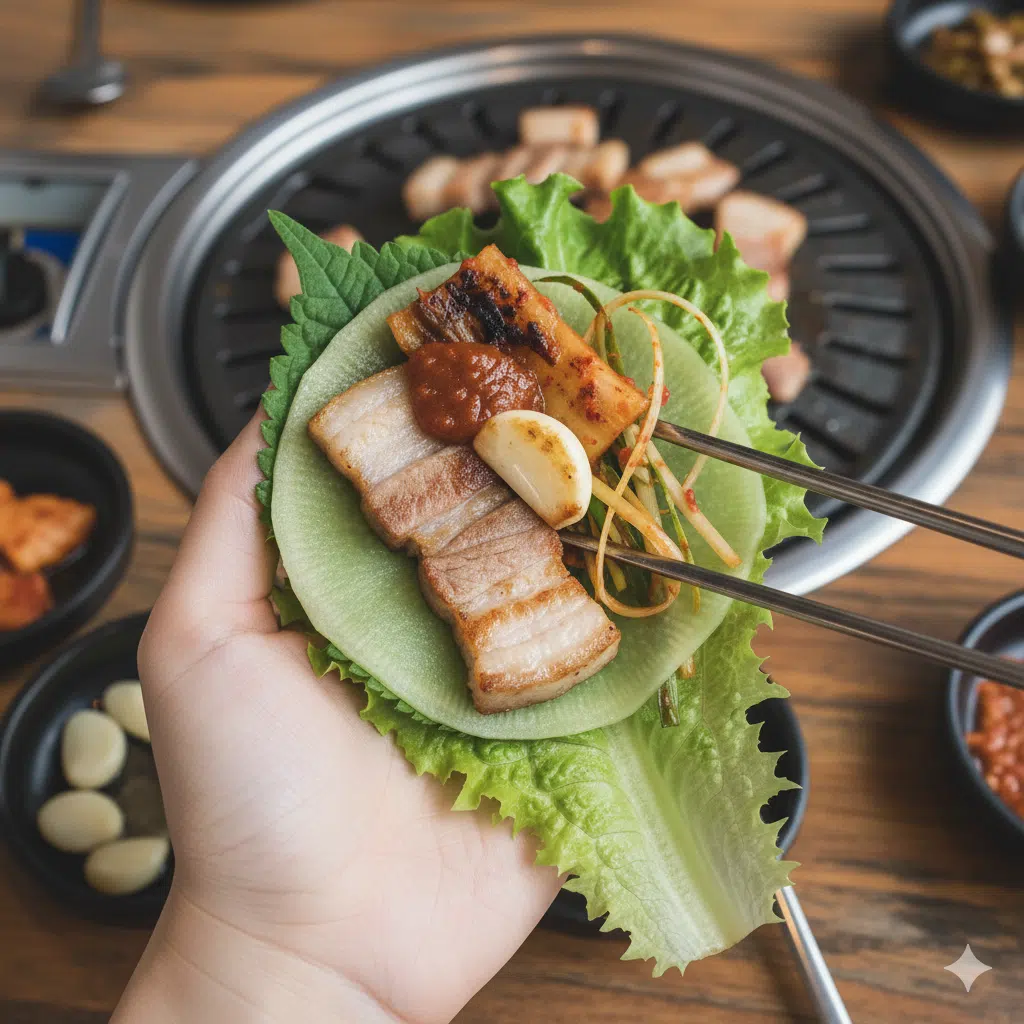
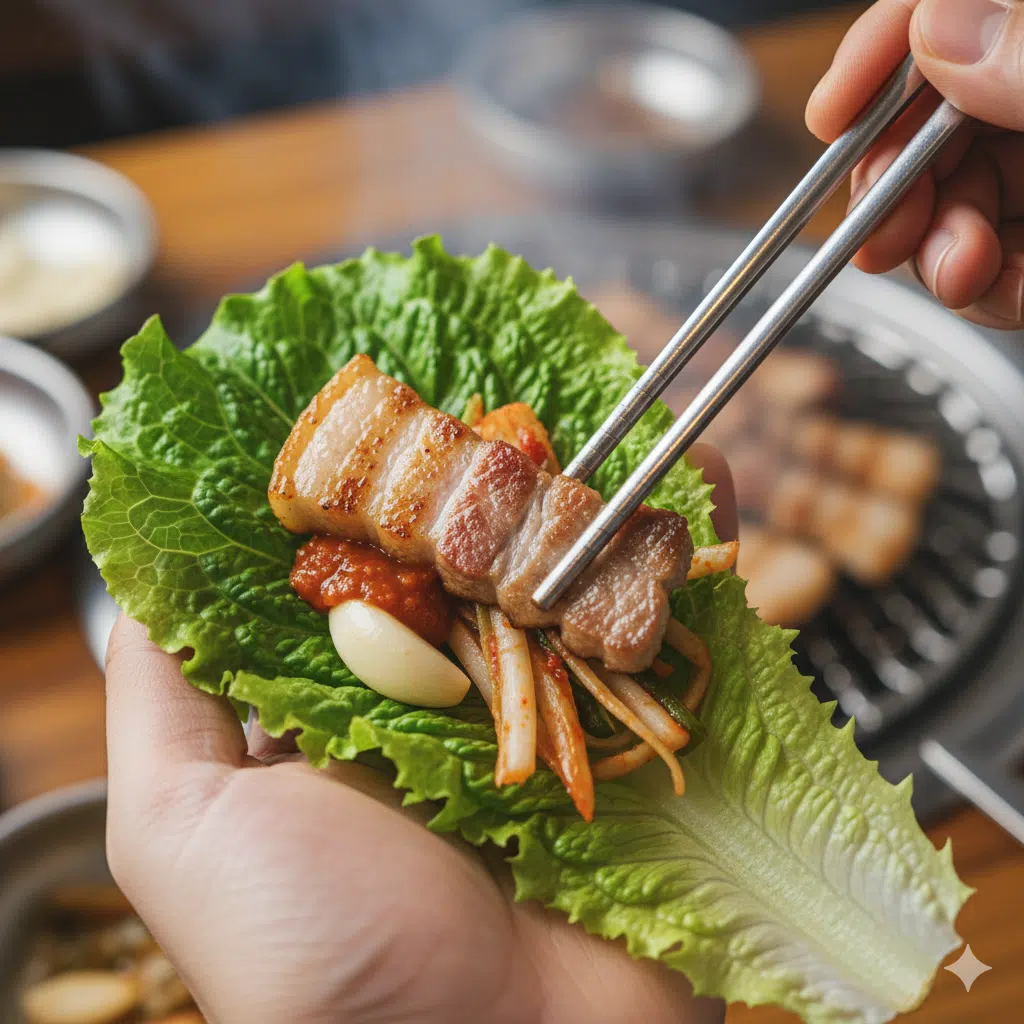
If you’ve ever sat around a sizzling Korean BBQ grill, layered a crisp lettuce leaf with smoky grilled pork, dabbed on a little sauce, and folded it all into one perfect bite — congratulations. You’ve already experienced Korean Ssam (쌈) without even knowing it. Korean ssam is one of the most interactive and balanced ways to enjoy Korean food.
In Korean, the word Ssam literally means “wrap.” But in practice, it’s much more than that. It’s a hands-on way of eating that combines fresh vegetables, protein, and sauce into one balanced bite.
Rather than being a fixed recipe, ssam is flexible and personal. Each person builds their own combination, making every bite slightly different. There’s something almost meditative about laying out a leaf, choosing your fillings, folding it just right. Let’s unwrap everything you need to know.
What is Ssam? A Special Korean Wrap
Ssam is a bite-sized wrap made with leafy vegetables such as lettuce, perilla leaves, or cabbage. Fillings typically include grilled meat, rice (optional), sauce, and small side ingredients like garlic or kimchi. You fold everything neatly and pop it into your mouth.
The key idea is balance—fresh, savory, and slightly spicy flavors combined in a single bite, creating a perfect harmony of texture and flavor. And yes, it’s healthy too: packed with fiber, vitamins, and deliciousness.
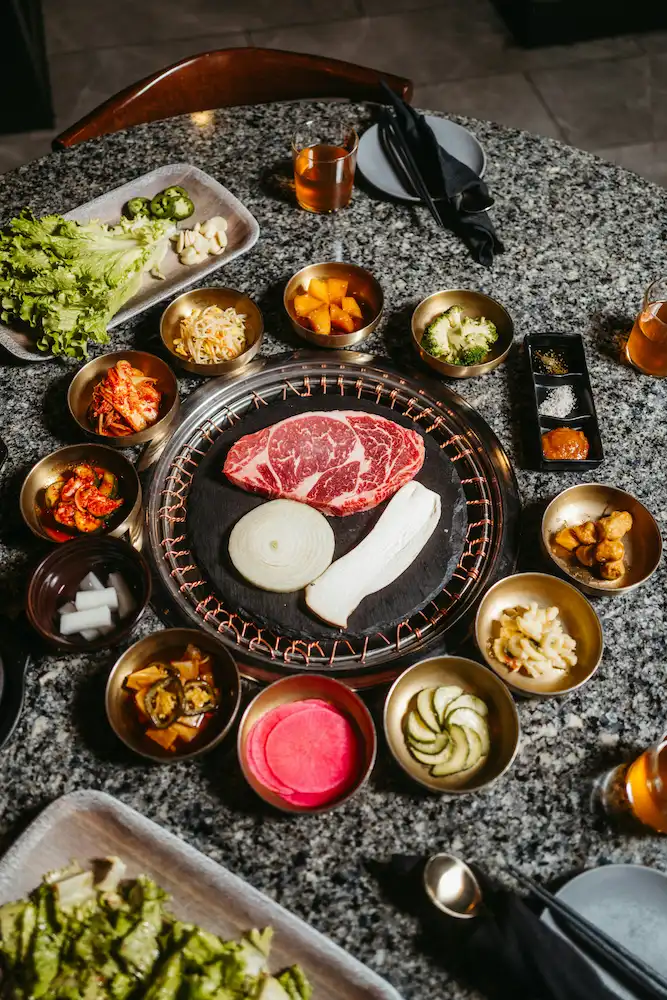
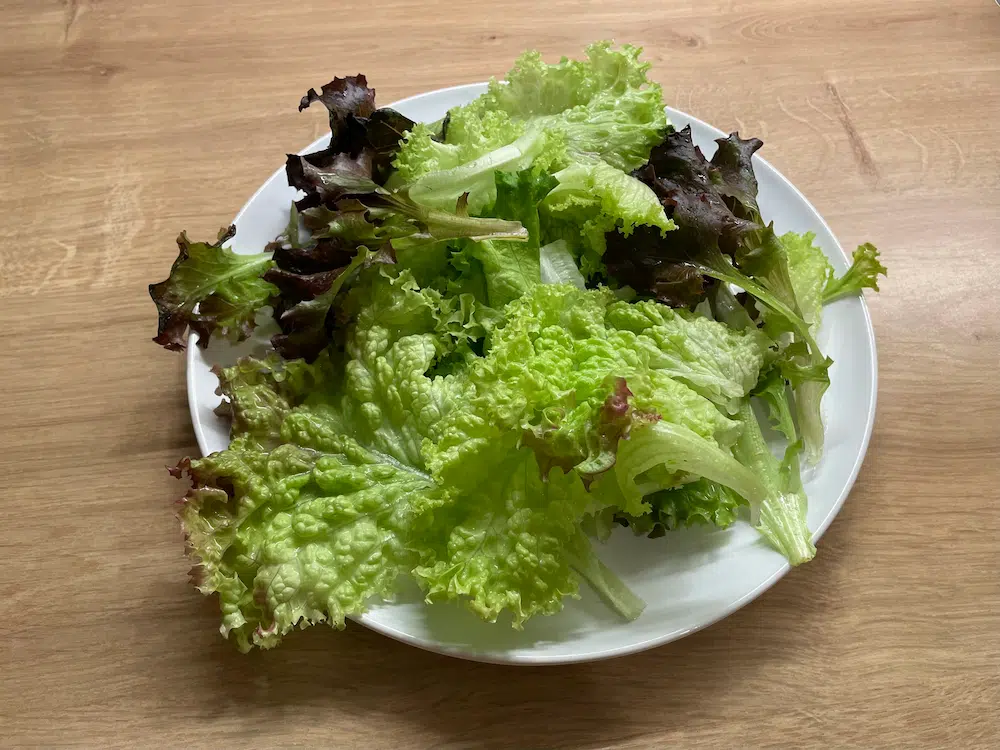
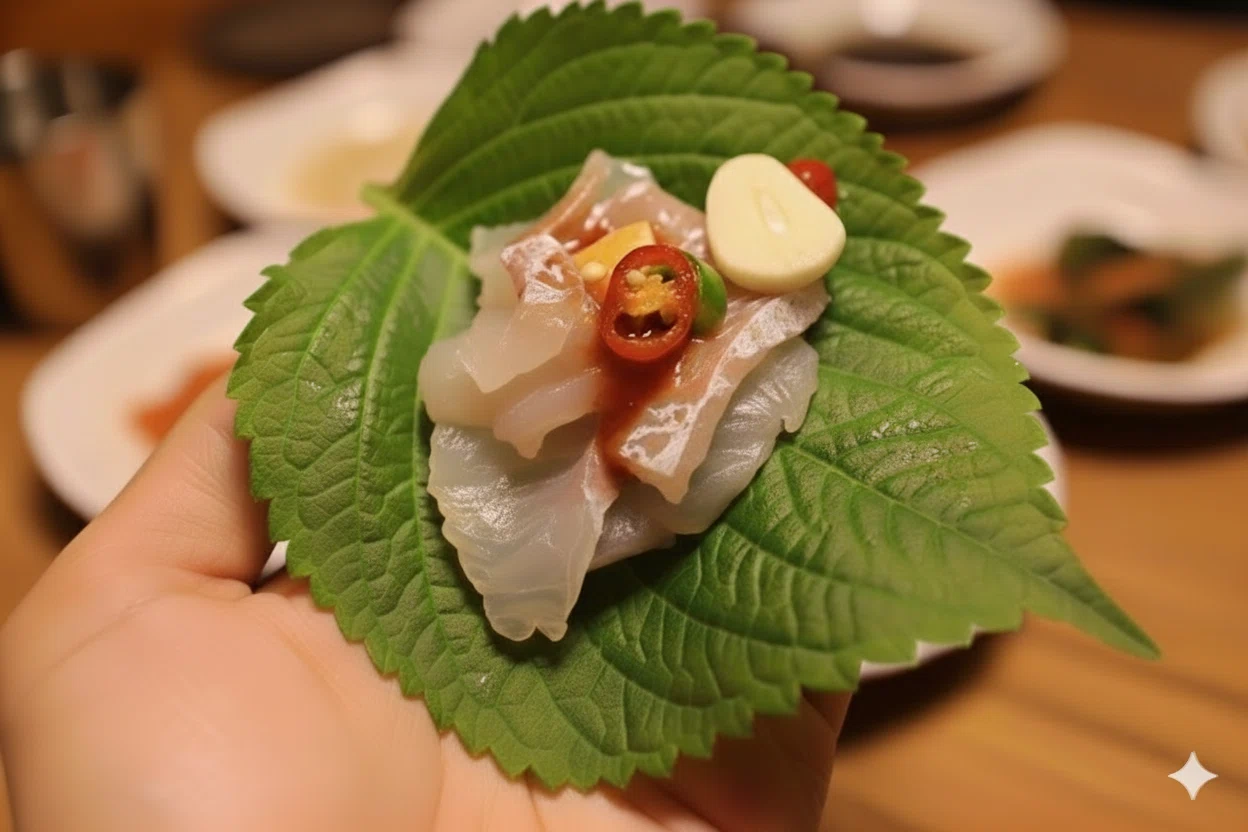
One of the reasons ssam is so popular is its flexibility. Ssam is not limited to barbecue. Koreans also enjoy it with boiled pork (Bossam), raw fish (Hoe), or plant-based fillings.
Each wrap is unique, reflecting the maker’s taste and creativity. With endless ingredient combinations, Ssam is one of the most delightful (and customizable) parts of Korean cuisine.
Korean Ssam Ingredients: What Goes Into a Perfect Wrap
When most people think of Ssam, Samgyeopsal (grilled pork belly) comes to mind. While Korean BBQ is the most well-known version, the ingredients can vary widely depending on the meal.
Koreans wrap almost anything from grilled or boiled pork (like Samgyeopsal or Bossam), to raw fish (Hoe) and even dried fish (Gwamegi). Here is the complete guide for making Korean Ssam.
Typical Ingredients of Ssam
– Wraps (Leaves & Alternatives)
- Lettuce (sangchu)
- Perilla leaves (kkaennip)
- Cabbage leaves
- Pickled radish wraps (ssammu)
- Seaweed (gim or miyeok) …
– Main Fillings
- Grilled pork belly (samgyeopsal)
- Boiled pork (bossam)
- Beef, chicken, or tofu
- Raw fish (hoe) or dried fish (gwamegi)
– Add-ons (Flavor Boosters)
- Kimchi (fresh or grilled)
- Garlic (raw or roasted)
- Onion (raw or roasted)
- Chili peppers
- Rice (optional)
- Seasoned vegetables (namul) like green onion, bean sprouts…
– Sauces
- Ssamjang (soybean + chili paste blend): Special sauce for Ssam
- Gochujang (Korean chili paste)
- Sesame oil with salt (gireumjang)
There is no single “correct” combination. Each region, each household, even each meal can bring a new version to the table. But one golden rule stays the same: the fillings should never peek out!
My Personal Tip for Ssam
Stack a lettuce leaf with a perilla leaf on top. The combination of crisp freshness and herbal aroma is something else entirely.
My favorite combo is ‘Lettuce + perilla leaf + grilled pork + roasted kimchi + grilled garlic + Ssamjang’! If you add a slice of pickled radish (Ssammu), it adds a refreshing crunch.
- Perilla leaf (Kkannip) has a herbal aroma and slightly chewy texture. It adds a distinct flavor that’s unlike anything else. It’s one of the most beloved greens in Korean dining — and a must-try if you’re new to Korean cuisine.
- Ssamjang is a special sauce made just for Ssam. It’s so flavorful that even with just vegetables and Ssamjang, it tastes amazing.
How to Make and Eat Korean Ssam: Step-by-Step
Ssam is not a burrito or a sandwich. It’s meant to be eaten in one bite where all the textures and tastes blend together at once. Here’s how to do it like a local.
How to Make Ssam
Step 1. Lay out your wrap | Place one large lettuce leaf flat in your palm (or on your plate). Layer a perilla leaf on top if you’re using one.
Step 2. Add your filling | Place a piece of grilled meat or your chosen filling in the center. Don’t overfill — you’ll regret it when it comes time to fold.
Step 3. Add sauce and extras | Dab a small amount of Ssamjang onto the filling. Add a slice of roasted garlic, a bit of kimchi, or a spoonful of rice if you like.
Step 4. Fold and seal | Bring the sides of the leaf inward, then fold the bottom up and over. The goal is a neat, compact parcel with nothing sticking out. Wrap it tightly.
Step 5. One bite | The whole thing goes in at once. This is non-negotiable. The simultaneous combination of every texture and flavor — crisp leaf, savory meat, pungent garlic, spicy sauce — is the entire point.
That’s it — simple, interactive, and satisfying. Whether it’s grilled pork, fresh raw fish, or a vegan veggie wrap, trying new combinations is always fun. In Korea, this is how most people naturally eat at BBQ restaurants, and once you try it this way, it’s hard to go back.
Many people ask: Do you really have to eat ssam in one bite? Yes. Eating it in one bite allows all the flavors—fresh, savory, spicy—to blend together at once. However, if the wrap is too large, it’s perfectly fine to adjust the size for comfort.
Is Korean Ssam Healthy?
Ssam can be a balanced way to enjoy Korean food, depending on how it’s prepared.
Leafy greens used for wraps are naturally rich in fiber, vitamins (A, C, K), and antioxidants. Perilla leaves are also known for containing plant-based omega-3 fatty acids.
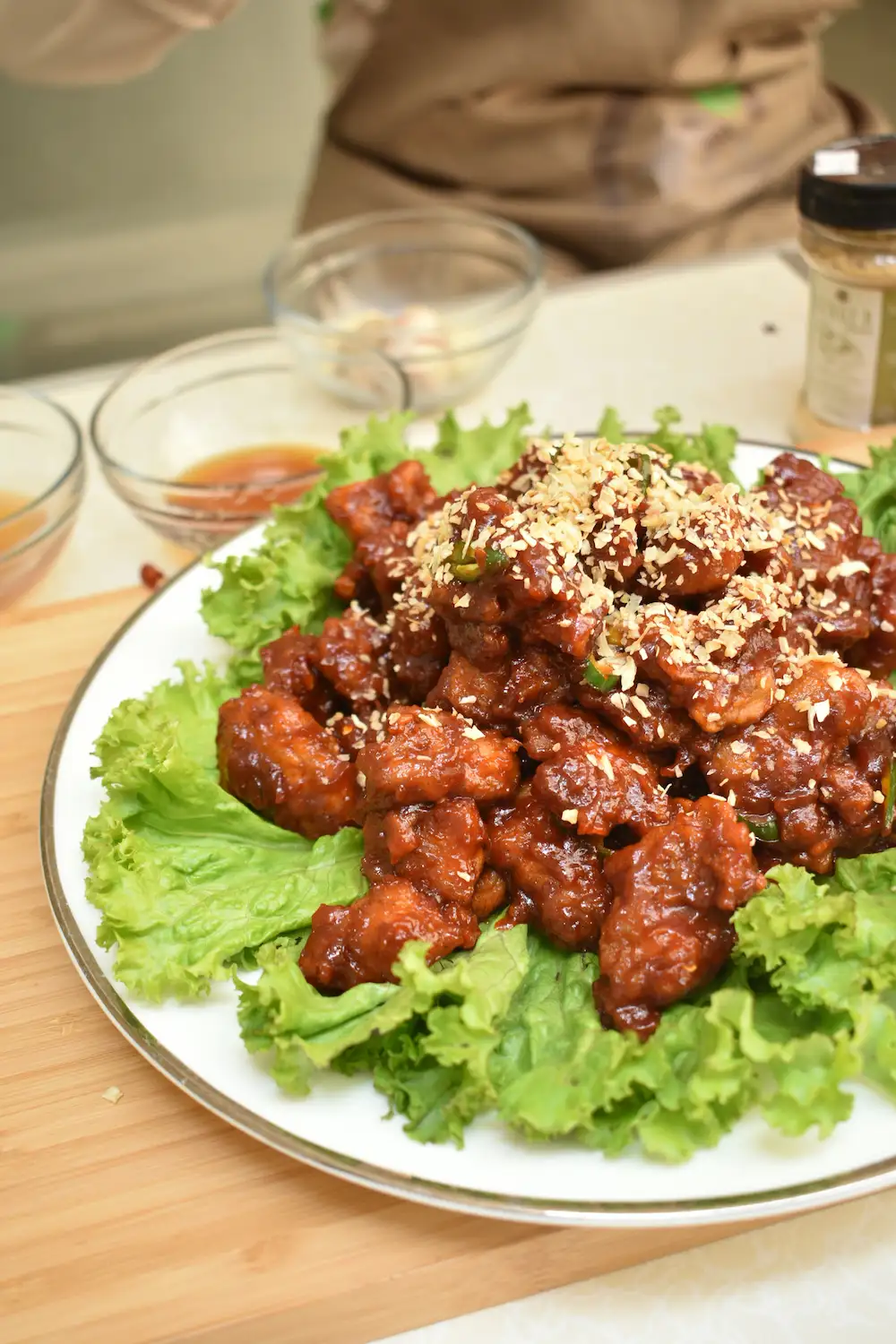
Because ssam is eaten in small portions, it can encourage slower, more mindful eating. The combination of vegetables and protein also helps create a more balanced meal.
However, some ingredients—such as fatty cuts of pork or salty sauces like ssamjang—should be enjoyed in moderation.
Overall, ssam can be a well-rounded option when balanced with vegetables and varied ingredients.
Wrapping More Than Just Food
Ssam isn’t just about eating — it’s a social act.
Whether at family dinners, company gatherings, or late-night BBQs with friends, wrapping and sharing Ssam builds warmth and togetherness.
Offering a Ssam to someone — wrapping it carefully and feeding them — is a gesture of affection and care. It can be tender, funny, or teasing, depending on who you’re with. It’s a tiny, wordless way of saying, “I care about you.”
Making Ssam is also part of fun. Sometimes, someone makes an oversized Ssam just to see if their friend can fit it in one bite. You’ve probably seen it in Korean dramas or variety shows — a playful moment that always ends in laughter.
Frequently Asked Questions About Korean Ssam
What is the difference between Ssam and Bossam?
Ssam is the general term for any Korean wrap — it refers to the style of eating. Bossam is a specific dish: slow-boiled pork served with cabbage leaves for wrapping. So Bossam is a type of Ssam.
What leaf is used for Korean BBQ wraps?
Green leaf lettuce (sangchu) is the most common, but perilla leaf (kkaennip) is equally popular and adds a distinct herbal flavor. Many Koreans use both together, stacking them.
Is ssam eaten with hands or chopsticks?
Ssam is typically eaten with your hands. Because it is designed to be a compact, one-bite wrap, using your hands makes it easier to fold and eat properly.
Can I make Ssam without meat?
Absolutely. Ssam works beautifully with tofu, grilled mushrooms, seasoned spinach, or even just rice and Ssamjang. The sauce is so flavorful that it carries a vegetable wrap on its own.
What does Ssamjang taste like?
Ssamjang is savory, slightly spicy, nutty from sesame, and deeply umami from the fermented soybean paste. It’s complex but approachable — most people love it immediately.
Is Ssam gluten-free?
The wraps and most fillings are naturally gluten-free, but traditional Ssamjang and gochujang can contain wheat. Look for certified gluten-free versions if this is a concern.
Where can I try Korean Ssam?
At any Korean BBQ restaurant — Samgyeopsal spots are found in most cities with a Korean community. Bossam is also commonly served at standalone restaurants and pojangmacha (street food tents) in Korea.
Ssam, a Simple Way to Experience Korean Dining
Ssam reflects the essence of Korean dining—balance, variety, and shared experience.
It’s not just about what you eat, but how you eat it. A simple combination of leaves, fillings, and sauce becomes something more through interaction and choice.
So next time you’re at a Korean BBQ (or your own kitchen table), try making your own Ssam. Wrap it, taste it, and experience how something so small can hold so much flavor and joy! It’s one of the easiest ways to experience Korean food in a more hands-on and personal way.