Mugwort and Ginseng in Korean Skincare: Benefits & How to Use
What They Actually Do for Your Skin
Beyond the Kitchen: The Power of Roots and Weeds
Some ingredients feel trendy. Others feel timeless. In Korean skincare, Mugwort (Ssuk 쑥) and Ginseng (Insam 인삼) belong to the second category.
You’ll find them in everything from calming essences to luxury anti-aging serums—but what do they actually do for your skin? They are not trend-driven actives. Instead, they come from long-standing herbal practices in Korea and are now commonly used in modern skincare products.
And more importantly—how are they different?
If you’re exploring traditional ingredients in K-beauty, you might also enjoy seeing how everyday ingredients like rice and green tea are used differently in skincare routines.
Is Mugwort Good for Sensitive Skin?
Is Mugwort Good for Sensitive Skin? Yes, especially if your skin is easily irritated or prone to redness.
In Korean skincare, mugwort is commonly used in products designed to support skin comfort and reduce visible signs of irritation. It doesn’t act aggressively. Instead, it helps create a more stable and balanced skin condition over time. Mugwort has been used in Korean herbal traditions for centuries and is commonly associated with calming care.
In Korean culture, Mugwort is famously tied to Korea’s foundation myth, where a bear endured 100 days in a dark cave eating only garlic and mugwort to transform into a woman. It’s a story of patience and endurance, qualities that this plant passes on to your skin.
Traditional Roots: The Heritage of Ssuk
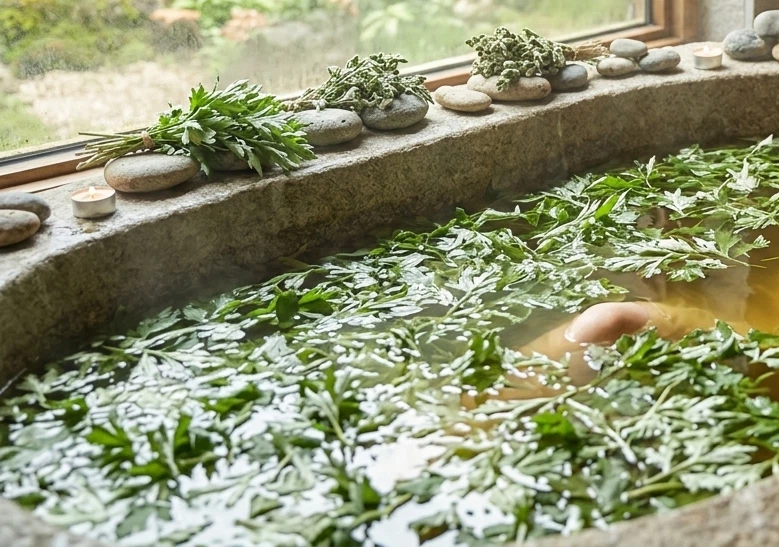
- Historically, mugwort was used in traditional baths and as a medicinal tea to “warm” the body and soothe inflammation. It is a hardy plant that grows even in harsh, rocky soil, bringing that same resilient protection to the skin barrier.
Mugwort Skincare Benefits
- While green tea is a light calmer, mugwort is often considered a deeper calming ingredient. It is packed with Vitamin A, C, and tannins, making it incredibly effective for skin that is chronically red, irritated, or suffering from a compromised barrier.
- Helps calm temporary skin discomfort
- Supports moisture balance
- Helps maintain a healthy-looking skin barrier
- Suitable for sensitive skin routines
Mugwort is often chosen by people who prefer gentle, minimal, and low-irritation skincare routines.
Mugwort Skincare Products in Korea
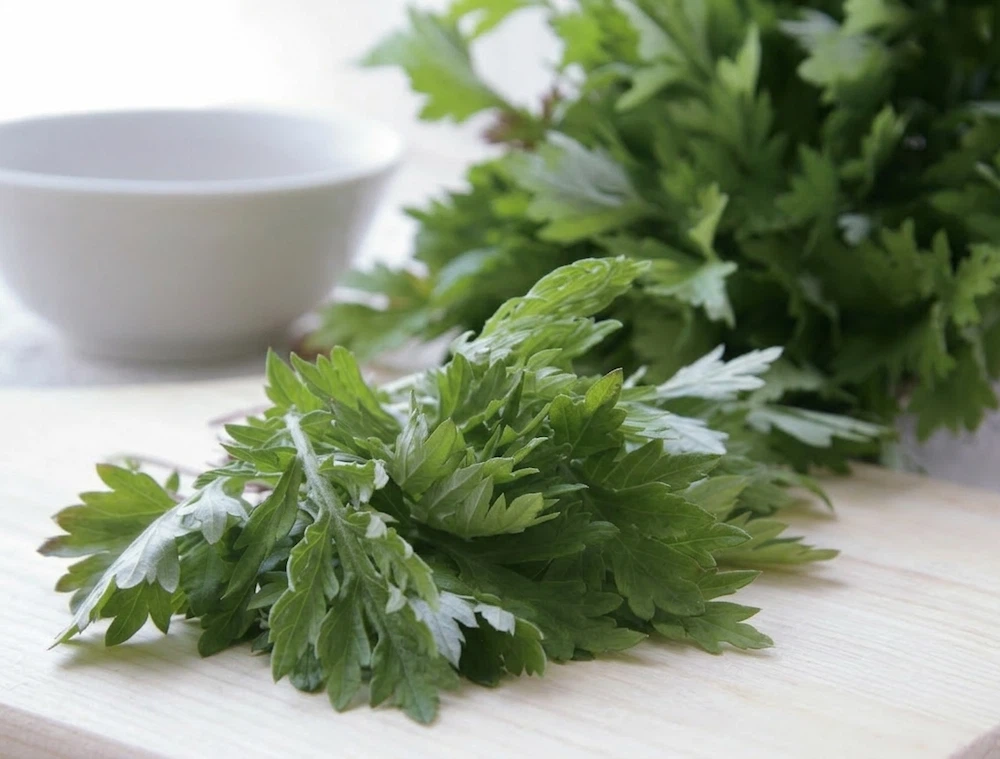
Today, you don’t have to go foraging in the mountains. K-beauty has refined this earthy weed into concentrated formulas that focus on purity.
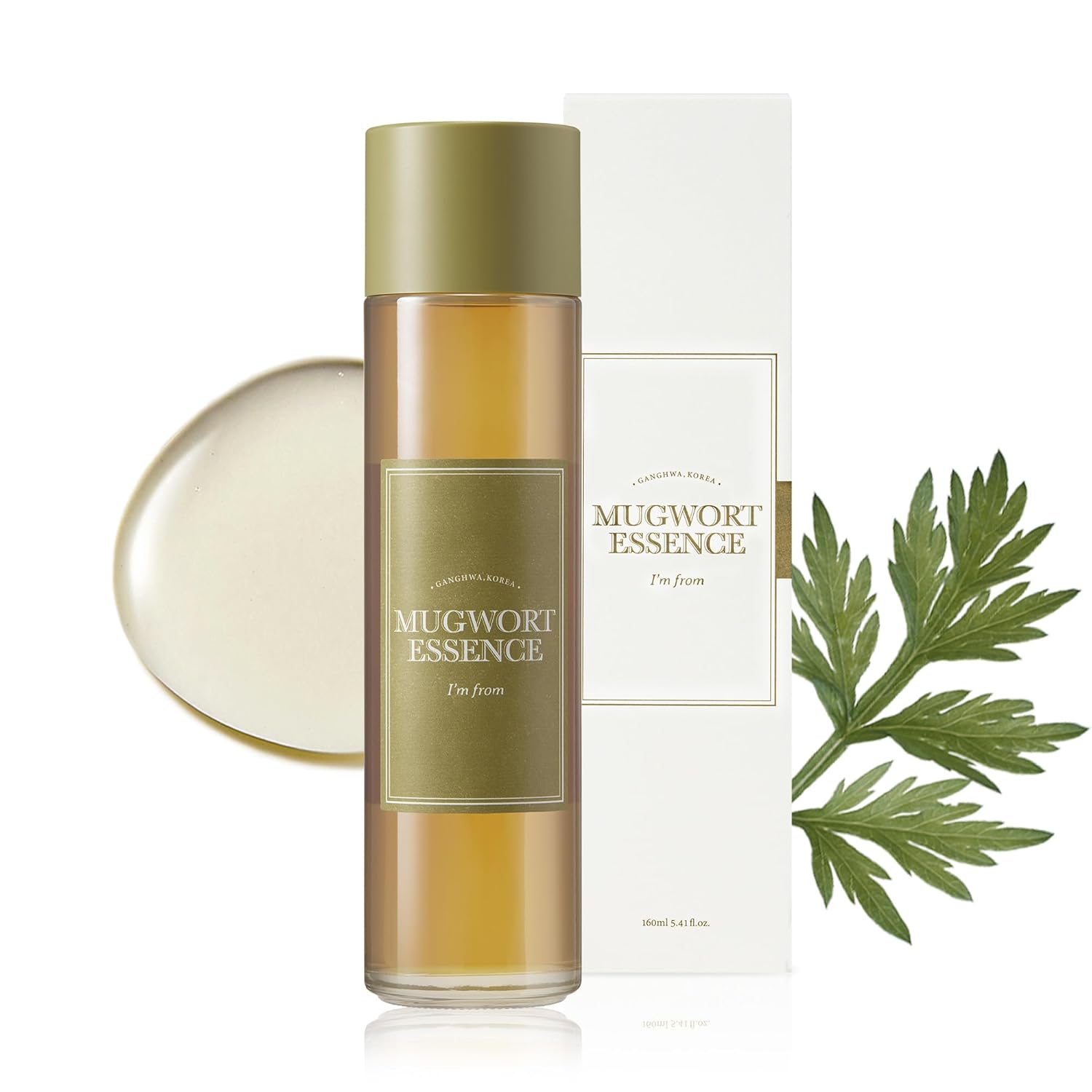
I’m from | Mugwort Essence
This viral product contains 100% mugwort extract from Ganghwa Island. It’s the modern equivalent of a traditional herbal bath, providing a liquid “hug” for stressed skin. It’s watery but has a distinct herbal scent that feels immediately grounding.
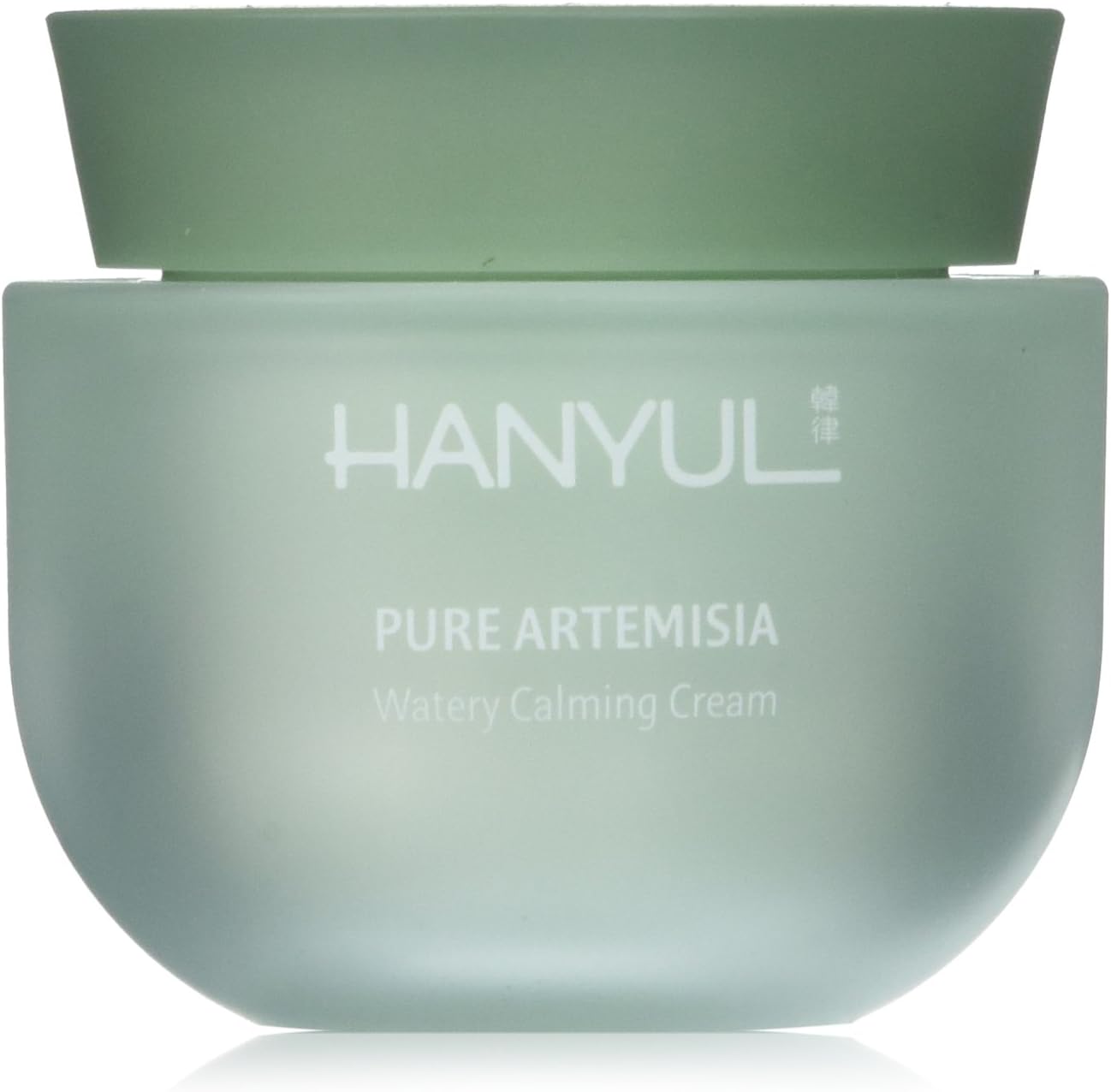
Hanyul | Pure Artemisia Watery Calming Cream
Hanyul’s signature mugwort line uses young mugwort(artemisia) harvested before early summer to capture its most potent soothing energy. This cream feels like a splash of water on a sunburned face, making it a perfect daily moisturizer for those who want deep hydration without stickiness.
Is Ginseng Good for Skin Elasticity and Glow?
Ginseng is often included in skincare products designed to support firmer-looking skin and improved elasticity. Rather than acting as a strong active, it works gradually by helping the skin maintain a healthier, more energized appearance—especially for skin that looks dull or tired. Known as the “King of Herbs,” Ginseng has been one of the most traditional herbal ingredients in Korea for centuries.
Traditional Roots: The King of Herbs
- Historically reserved for royalty, ginseng was used in the Joseon palace as a secret to maintaining a youthful complexion. It is an adaptogen, meaning it helps the skin “recharge” and adapt to environmental stress.
Ginseng Skincare Benefits
- Ginseng is rich in saponins (ginsenosides), which help boost blood circulation. It doesn’t just hydrate; it works on the skin’s “stamina,” helping to firm up fine lines and bring back a healthy, inner glow.
- Supports healthy-looking skin glow
- Helps improve skin elasticity appearance
- Supports circulation-related skin vitality
- Helps maintain overall skin resilience
Ginseng is often used as part of anti-aging focused skincare routines.

How I Personally Use Them
When my skin feels irritated or sensitive, I naturally reach for mugwort-based products. They feel quiet and grounding—like pressing pause on overstimulated skin.
Ginseng, on the other hand, feels different. I tend to use it when my skin looks dull or tired, especially during colder seasons. It’s less about calming and more about restoring energy. Over time, I realized they don’t compete—they complement each other. This is why many Korean routines layer both, depending on daily skin condition.
Ginseng Skincare Products in Korea: From Royal Rituals to High-Performance Formulas
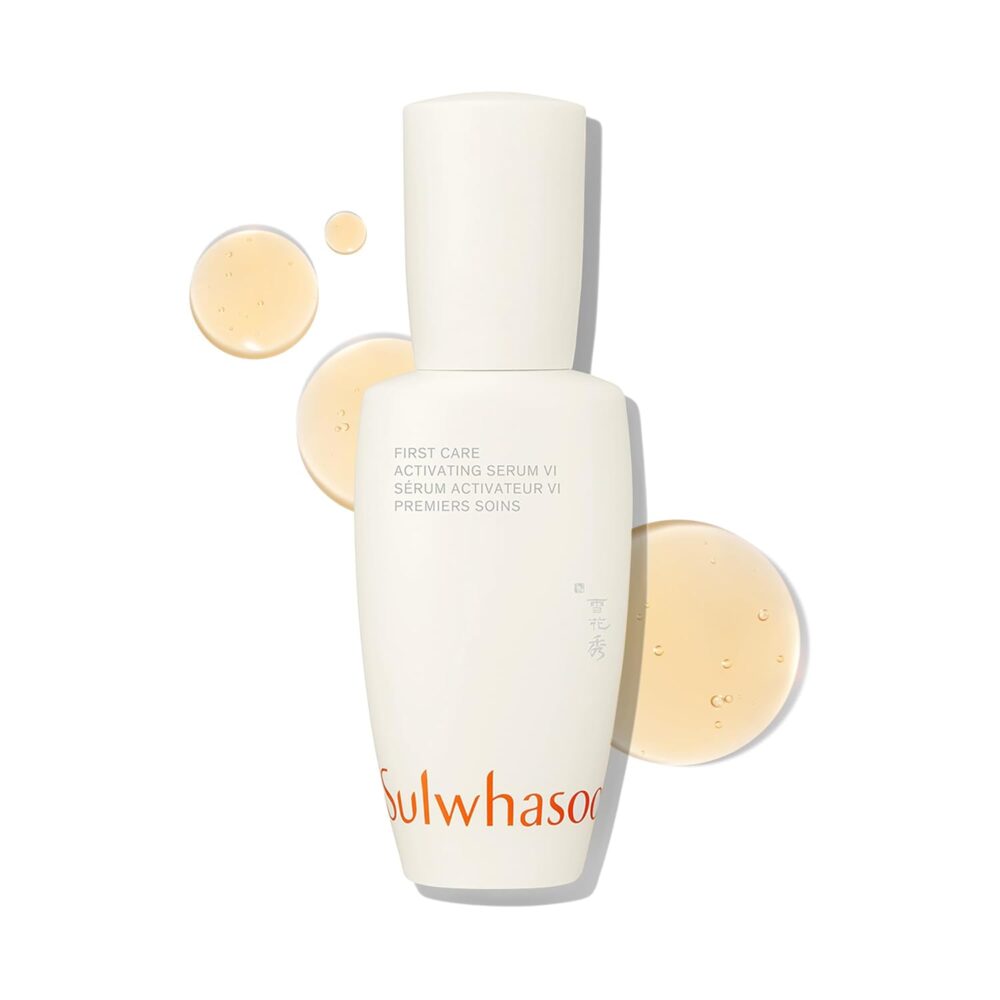
Sulwhasoo | First Care Activating Serum
Perhaps the most famous ginseng-based skincare product in the world. It uses ginseng technology to prep the skin, mimicking the traditional way herbal tonics were taken to support overall skin balance.
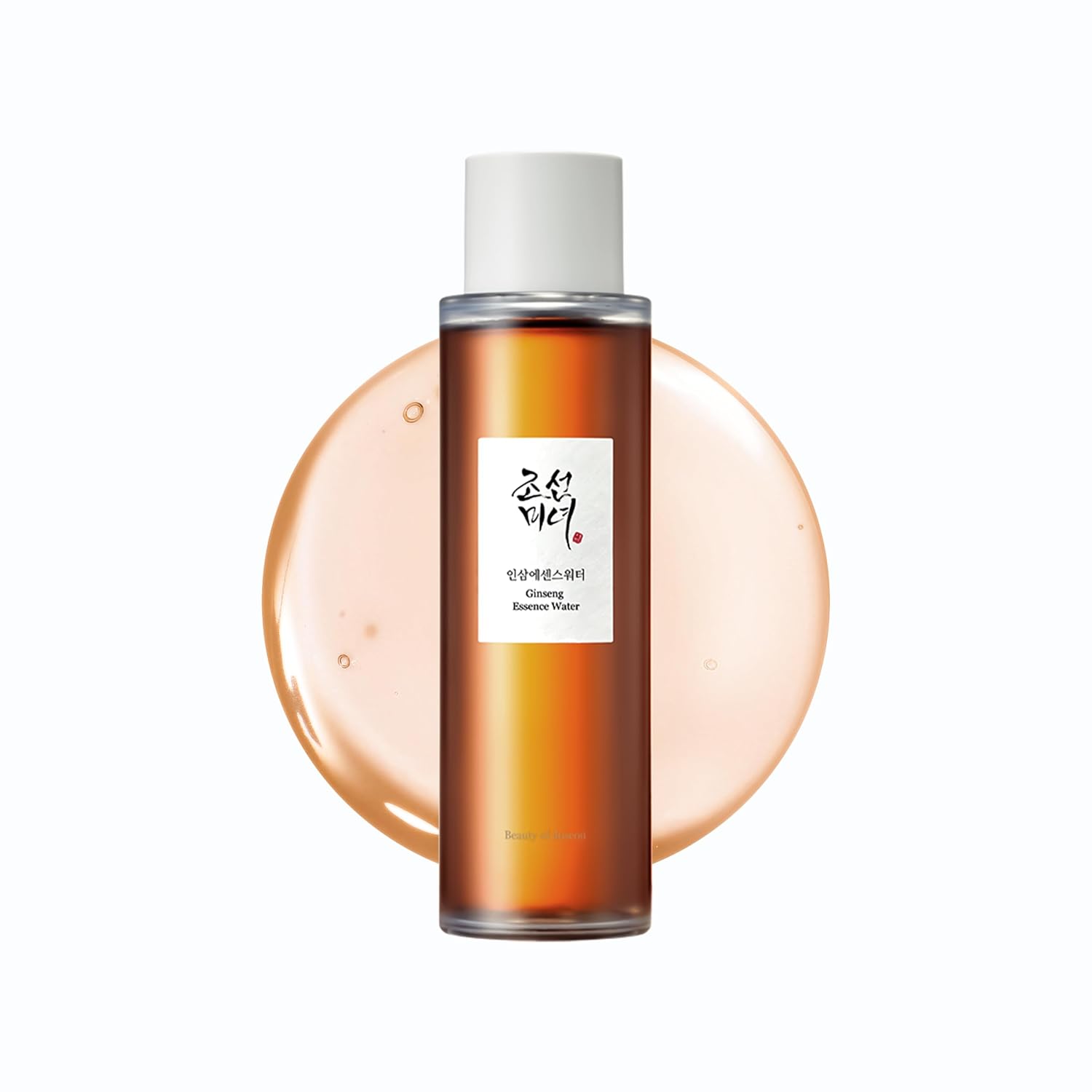
Beauty of Joseon | Ginseng Essence Water
A more accessible, lightweight essence that includes ginseng root water to provide a fresh hit of vitality and glow support.
Mugwort vs Ginseng: Which One Should You Choose?
Although both are herbal ingredients, their skincare roles are different. If your skin feels irritated, overheated, or sensitive → Mugwort is usually the better choice. If your skin looks dull, tired, or lacks elasticity → Ginseng may be more suitable.
In simple terms:
- Mugwort → calming and soothing-focused care
- Ginseng → vitality and glow-focused care
Because of this, they are often used in different steps or different skin conditions rather than competing with each other.
Herbal Rituals: The Spa Bath vs. The Trial Test
Because these ingredients are so potent, the way we use them at home is quite different. One is a relaxing immersion; the other is a careful investment.
The Mugwort Bath
- If you can find dried mugwort (sold as tea or bath herbs), try adding it to a warm foot bath. The earthy, herbal scent is a form of aromatherapy that lowers stress levels. It’s a low-cost, high-reward way to experience the herb’s “warming” and calming properties firsthand.
The Ginseng Skin Test
- Unlike rice or green tea, ginseng is an “active” traditional ingredient. Because it’s expensive and very potent, it doesn’t always suit everyone—some people find it too “rich” or warming.
- Before dropping $100+ on a premium ginseng cream, I highly recommend starting with trial kits or deluxe samples. Brands like Sulwhasoo often offer “Discovery Sets.”
- Apply a small amount and check for a slight tingling or warming sensation. If your skin feels energized rather than irritated, your skin “matches” with the root.
How to Use Mugwort and Ginseng in a Skincare Routine
If you’re new to these ingredients, here’s a simple way to start.
- Morning Routine: Use a lightweight mugwort toner or essence after cleansing to help keep your skin calm and balanced throughout the day.
- Evening Routine: Apply a ginseng-based serum or essence to support skin recovery and improve overall skin condition overnight.
Can You Use Them Together?
- Yes. Many Korean routines combine both—mugwort for calming, ginseng for vitality—depending on the skin’s condition that day.
The Wisdom of the Earth
Not every ingredient needs to work fast to be effective. Mugwort and ginseng represent a different approach in Korean skincare—one that values balance over intensity, and consistency over quick results.
If you are exploring K-beauty beyond trend ingredients, these two are a good starting point for understanding how traditional herbal knowledge is still used in modern skincare today. Moving from the kitchen (Rice & Green Tea) to the mountains (Mugwort & Ginseng) shows the full spectrum of K-beauty.