The Simple Logic of Rice and Green Tea
From Kitchen to Vanity: Natural K-Beauty Ingredients
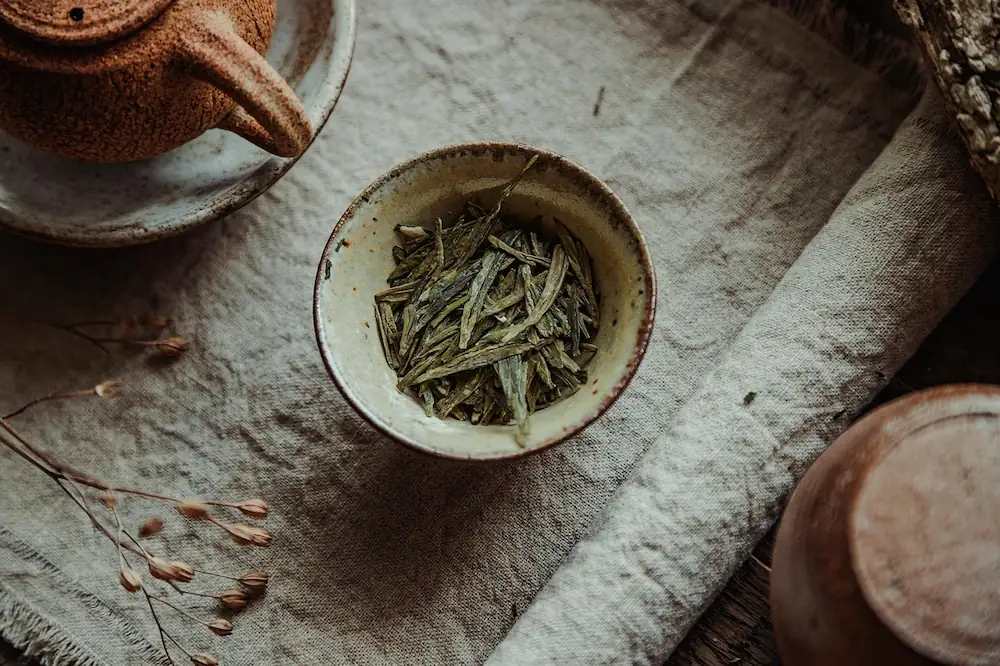
The Practical Use of Kitchen Ingredients
When looking at the history of Korean beauty, some of the most effective solutions aren’t found in a lab, but in the kitchen. Rice and green tea have been used for generations, not because of a mysterious ritual, but because of their simple, functional benefits.
Koreans have a long-standing habit of using what is around them to maintain their skin. These ingredients are accessible, affordable, and, most importantly, backed by long-term results. If you’ve wondered why your favorite K-beauty products are suddenly full of rice water or green tea, let’s look at the practical logic behind these kitchen favorites.
Rice Water, The Original Brightening Toner
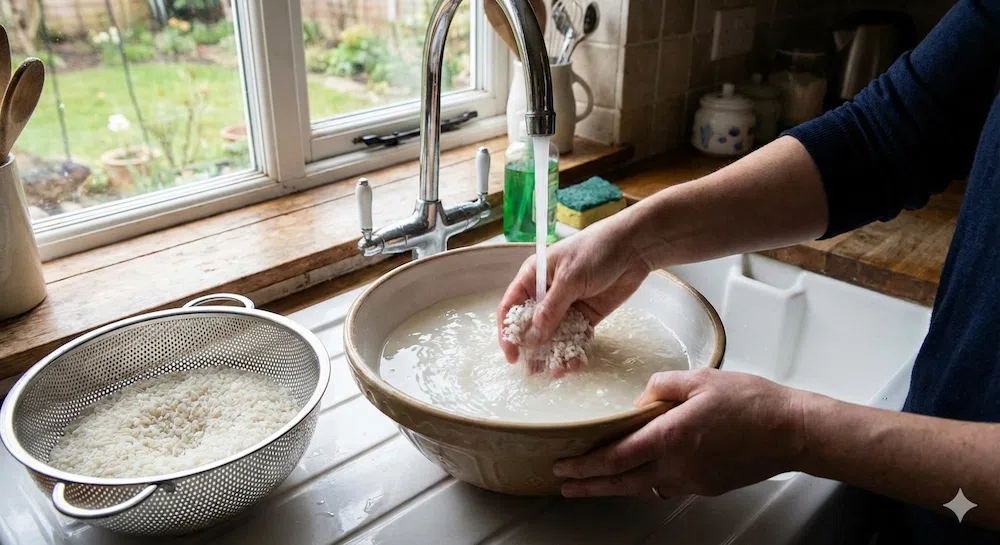
Long before modern toners existed, there was Migamsu (rice water). The use of rice in skincare is well-documented in Korean history. For instance, the Gyuhap Chongseo (an encyclopedia for women from the Joseon Dynasty written in 1809) specifically mentions using rice water to make the skin appear clear, soft, and bright.
I remember my grandmother saving the water from washing the evening rice in a small ceramic bowl. She didn’t do it for a grand ceremony; it was just a smart, resourceful way to brighten her skin after a day spent outdoors. Rice contains Vitamin B and minerals that naturally leach into the water during the rinsing process, offering a gentle way to manage skin texture. While the world now uses advanced acids, for many in Korea, rice water was the first introduction to the concept of “brightening.”
Beyond the Kitchen: The Rise of Rice-Based Products
Of course, very few people in modern Korea actually rinse their faces with raw rice water today. It’s inconvenient and difficult to keep sterile. Instead, the industry has taken the core benefits of rice and stabilized them into high-performance formulas.
If you look at the best-selling lists in Korea today, you will see rice used as a primary ingredient in various forms like below. By moving from the kitchen bowl to the lab, these products provide the Korean rice water skincare effect in a way that is safe and easy for a modern routine.
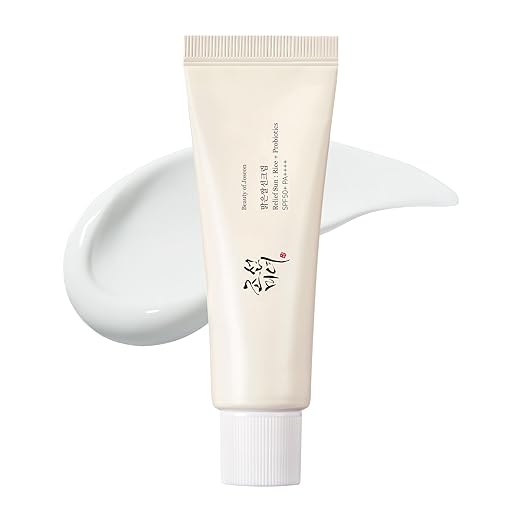
Rice Probiotics Sunscreen | Beauty of Joseon
Currently a signature item of K-beauty, these sunscreens use rice extract to provide a lightweight, watery cream-like texture. Unlike heavy traditional sunscreens, they blend seamlessly into the skin, leaving a natural, hydrated glow rather than a white cast.
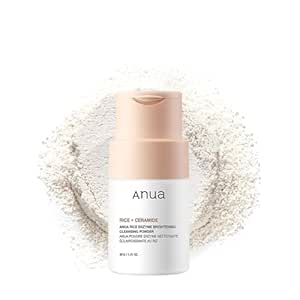
Rice Enzyme Cleansing Powder | Anua
This is a powder-type cleanser that combines rice flour with enzymes. When mixed with water, it transforms into a gentle foam. It effectively recreates the smoothing effect of traditional rice water washes through a modern enzyme exfoliation process. It is a popular choice for those looking to brighten their complexion without irritation.
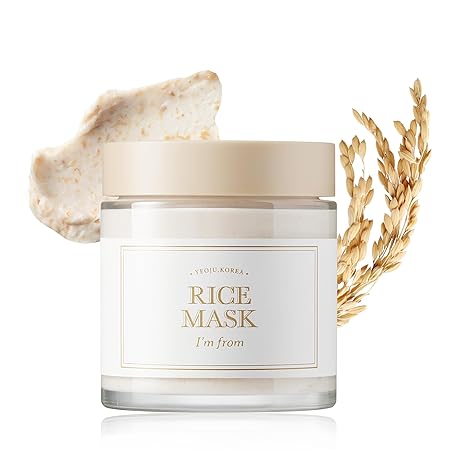
Rice Mask | I’m from
This wash-off pack contains rice bran to deliver a concentrated version of the traditional rice water wash. It features fine rice particles that gently polish the skin’s surface while providing deep hydration. It’s an excellent way to achieve that “soft-to-the-touch” texture after a single use.
Green Tea: A Functional Solution for Soothing
If rice is the go-to for brightening, green tea is the undisputed answer for soothing. It’s more than just a drink; it’s a functional ingredient that helps the skin deal with environmental stress.
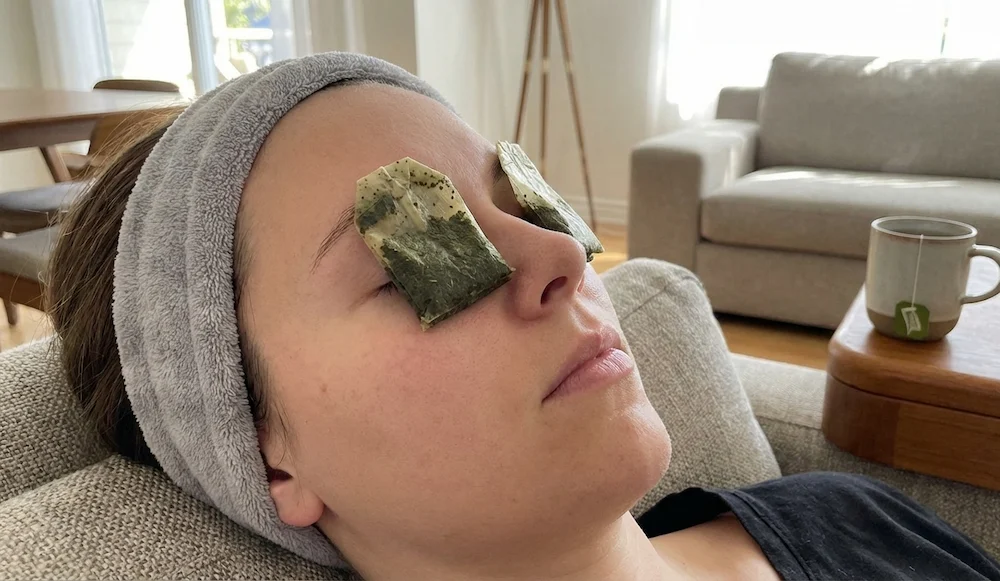
Green tea is packed with catechins and antioxidants. These components are excellent for managing redness and calming down skin that has been exposed to too much sun or pollution. Some people in Korea still use a very simple method for quick relief: taking a used green tea bag, chilling it in the fridge, and placing it over puffy eyes or irritated patches for a few minutes. It’s a fast, no-nonsense way to reduce swelling and heat.
This practical approach to cooling the skin is why green tea extract is found in almost every “calming” serum or sheet mask in the K-beauty market. It’s a reliable ingredient that performs consistently without causing irritation.
My Recommendation
green tea maskpack
green tea ampoule
Testing the Raw Ingredients
Today, there are so many high-quality products available that you don’t need to DIY your skincare. However, if you want to experience the traditional properties of these ingredients in an analog style, you can try these simple tests.
The Rice Rinse Test
If you want to see how rice water affects your skin texture, try saving the water from your second or third rice rinse. Splash it on your face after your regular cleanser, then rinse with plain water. You may notice an immediate, though temporary, softening of the skin.
The Tea Compress
After drinking a cup of green tea, don’t discard the bag immediately. Let it cool and apply it to a small area of redness. It’s an easy way to verify the soothing properties of the tea’s antioxidants for yourself.
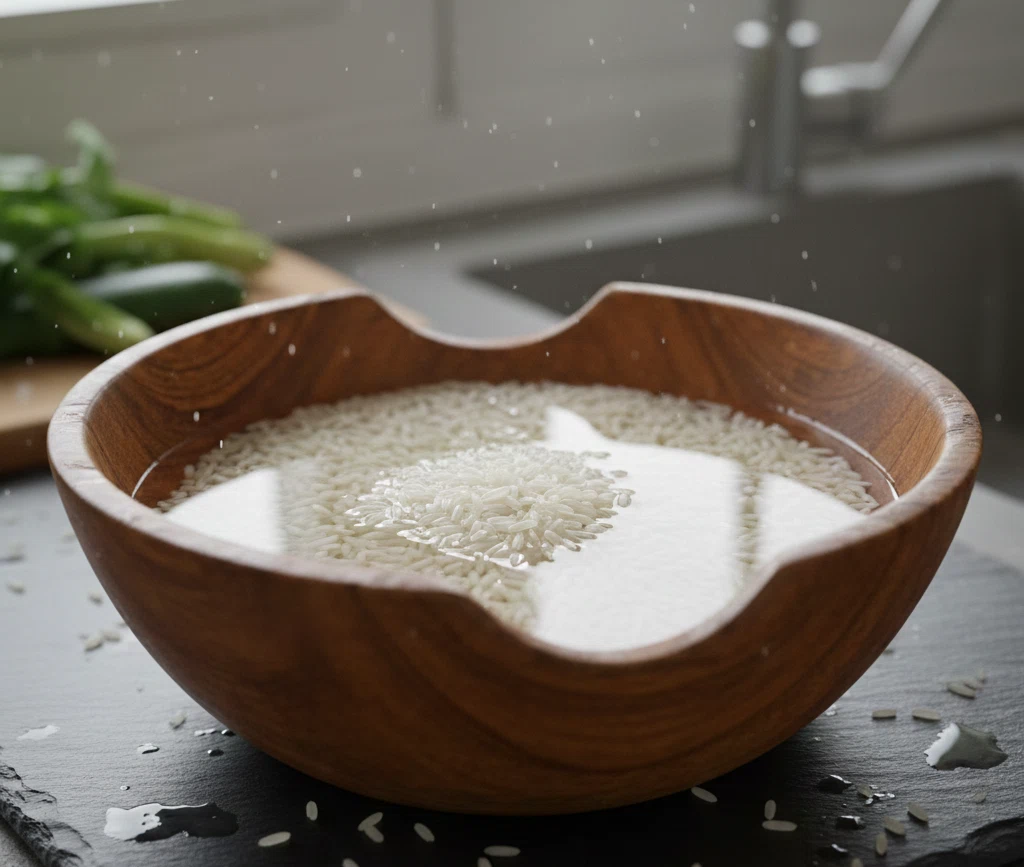
These aren’t meant to replace your daily routine, but rather to give you a firsthand look at why these ingredients became so popular in the first place.
The Logic of Simplicity
At the end of the day, Korean skincare isn’t always about the newest or most expensive chemical discovery. Often, it’s about the longevity of ingredients like rice and green tea that have been proven to work over centuries.
The shift from the kitchen to the cosmetic shelf shows a respect for the basics. It reminds us that looking after our skin doesn’t have to be complicated. Sometimes, the most logical solutions are the ones that have been right in front of us—or in our kitchens—all along.