Slow Aging in Korea
: The 2026 Wellness Trend You Can Start Today
A Practical Guide to Blood Sugar Balance, Korean Diet Habits, and Everyday Longevity
What Is “Slow Aging” in Korea?
In recent years, “Slow Aging” (저속노화) has become one of the most talked-about wellness trends in Korea. What started as a popular concept in 2025 has now evolved into a daily lifestyle in 2026.
Unlike traditional anti-aging—which focuses on appearance—slow aging is about managing your body from the inside out. The goal is simple: maintain stable energy, reduce inflammation, and support long-term health by building sustainable habits.
At the center of this movement is one key idea: Blood sugar regulation plays a central role in slowing down the aging process.
What is a Blood Sugar Spike?
A blood sugar spike is a rapid rise in blood glucose levels after eating, especially after consuming refined carbohydrates or sugary foods.
According to Professor Jung Hee-won from Asan Medical Center in Seoul, frequent insulin spikes triggered by high sugar intake may increase inflammation and accelerate biological aging.
When we eat refined carbohydrates or sugary foods on an empty stomach, our blood sugar levels rise rapidly. These repeated spikes may lead to inflammation and oxidative stress in the body.
This process is often compared to revving a car engine to the red line every day—over time, the system wears down faster than it should.
Frequent spikes can lead to:
- Energy crashes and fatigue
- Increased inflammation
- Long-term metabolic stress
The Veggie-First Rule (How It Works)
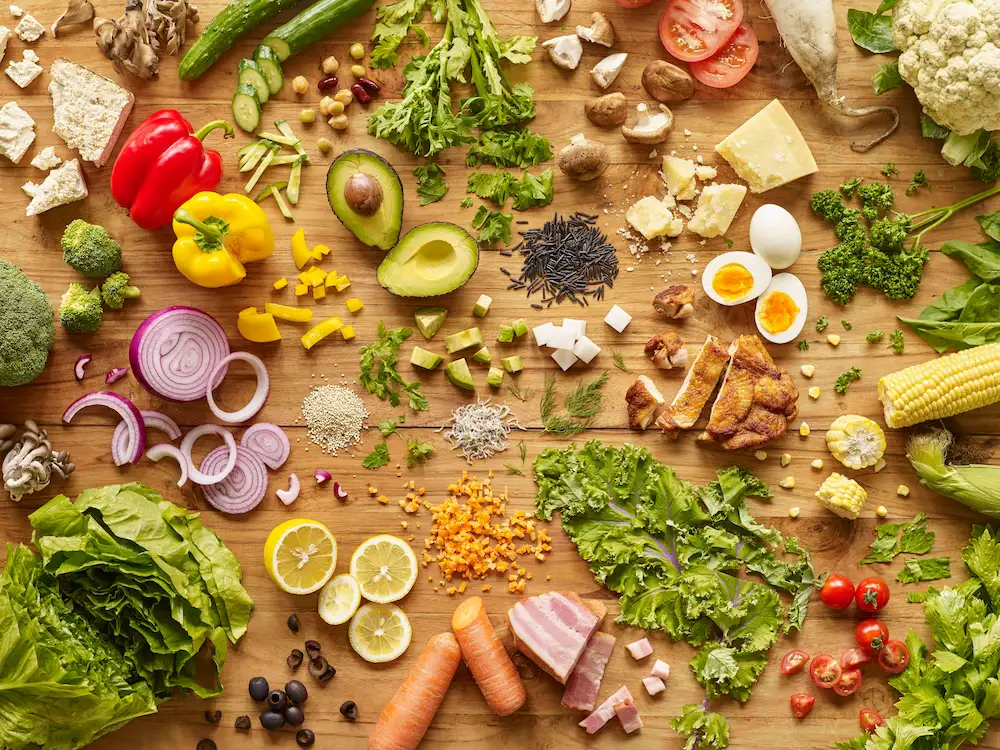
One of the most popular habits in Korea right now is the “Veggie-First” eating method.
Research suggests that changing the order in which you eat food can help stabilize your blood sugar levels. Eating vegetables first helps slow down sugar absorption and prevents sharp blood sugar spikes.
The basic sequence:
- Fiber (vegetables)
- Protein & healthy fats
- Carbohydrates
Instead of having rice first, the “Slow Aging” community finishes their green side dishes first to prepare their body for the rest of the meal.
Why “Veggie-First” Works So Well in Korean Diets
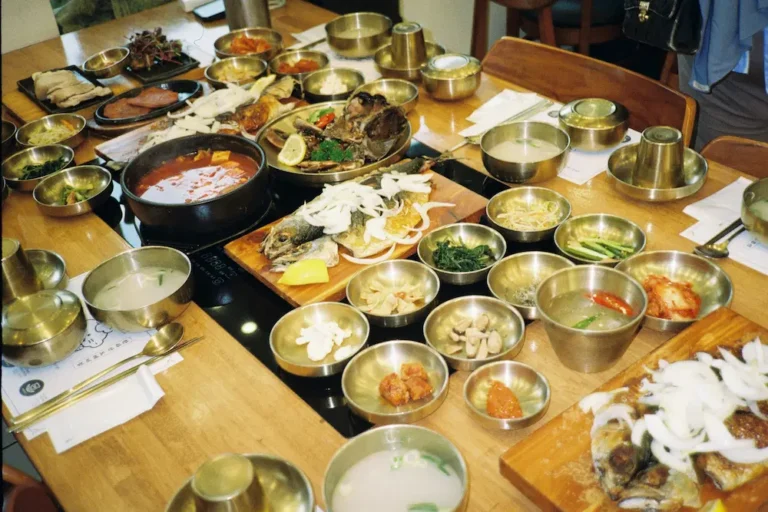
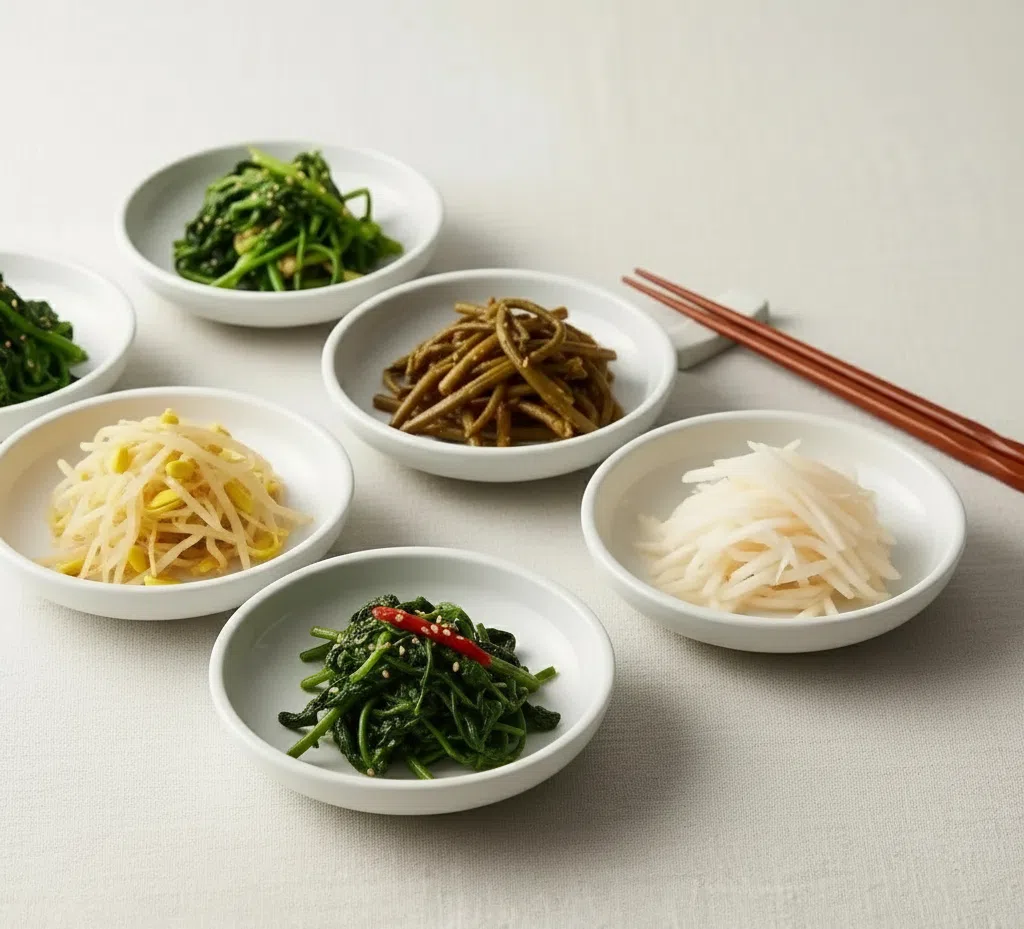
Korean meals naturally support this approach. Many traditional Korean dishes are already designed in a way that naturally supports balanced blood sugar levels. Typical Korean foods that fit the “slow aging” lifestyle include:
✔ Fiber-rich foods
- Namul (seasoned vegetables)
- Kimchi (fermented vegetables)
- Spinach, bean sprouts
✔ Protein sources
- Tofu
- Fish
- Eggs
✔ Better carbohydrate options
- Brown rice
- Mixed grains (잡곡밥)
Because Korean meals are often served with multiple side dishes, it’s easy to start with vegetables before moving on to rice or noodles. This structure is actually very similar to traditional Korean meals like Bibimbap or Ssam, where vegetables, protein, and carbohydrates are naturally balanced within a single dish. If you want to see how this pattern appears in everyday Korean food culture, you can also explore my guides on bibimbap and Korean Ssam culture.
Example of a Slow Aging Meal (Korean Style)
Here is a simple example of how a typical Korean meal can follow the “Veggie-First” rule:
- Start with kimchi and namul (fiber)
- Eat grilled fish or tofu (protein)
- Finish with rice (carbohydrates)
This sequence helps slow down glucose absorption and keeps your energy levels stable.
5 Simple Slow Aging Habits You Can Start Today
2026 Wellness Habits: Small Acts, Big Impact
As we move through 2026, these habits are becoming increasingly common among health-conscious people in Korea. You don’t need a strict diet to follow this trend. Small daily habits can make a big difference.
- 1. Start meals with vegetables: Even a small portion of greens before your main dish helps regulate blood sugar.
- 2. Avoid sugary foods on an empty stomach: Try replacing sweet breakfasts with protein-based options.
- 3. Take a short walk after meals: A 10–15 minute walk can help your body process glucose more efficiently.
- 4. Choose smarter carbs: Switch from white bread or refined grains to whole grain options.
- 5. Try low-impact sugar alternatives: Sweeteners like allulose are becoming popular in Korea for their minimal effect on blood sugar.

Making a simple swap in your kitchen
If you have a sweet tooth, try replacing sugar with Allulose, a natural low-calorie sweetener that is popular for its minimal impact on blood sugar. Alternatively, try switching your regular white bread or pasta for Whole Grain versions. These small swaps are the easiest ways to lower the glycemic index of your favorite meals without sacrificing the flavors you love.
My Personal Experience with Slow Aging Habits

I started applying the “Veggie-First” rule in mid-2025, along with a few small changes—cutting out sugary snacks and replacing processed drinks with fresh lemon water.
The biggest change wasn’t weight—it was energy stability.
I no longer experience that heavy, sluggish feeling after meals. My focus throughout the day feels more consistent, and my relationship with food has become much more intentional.
Your Path to Long-term Vitality
“Slow Aging” is more than just a health trend in Korea—it reflects a broader shift toward sustainable, mindful living. Instead of chasing quick results, people are focusing on habits that support long-term well-being. And the best part? It’s not about perfection. It’s about small, repeatable choices.
Beyond the Surface: Your Wellness Goals for 2026
“Slow Aging” is a beautiful reminder that our health is a long-term investment. As we move through this year, let’s remember that looking good is just a natural byproduct of feeling good and being healthy on the inside.
What small habit would you like to start this year? Whether it’s changing your eating order or moving more after meals, I hope 2026 is a year where we all focus more on our inner well-being. Let’s make this a year of glowing from the inside out!