The Korean Hangover Survival Guide
How Koreans Master the Morning After
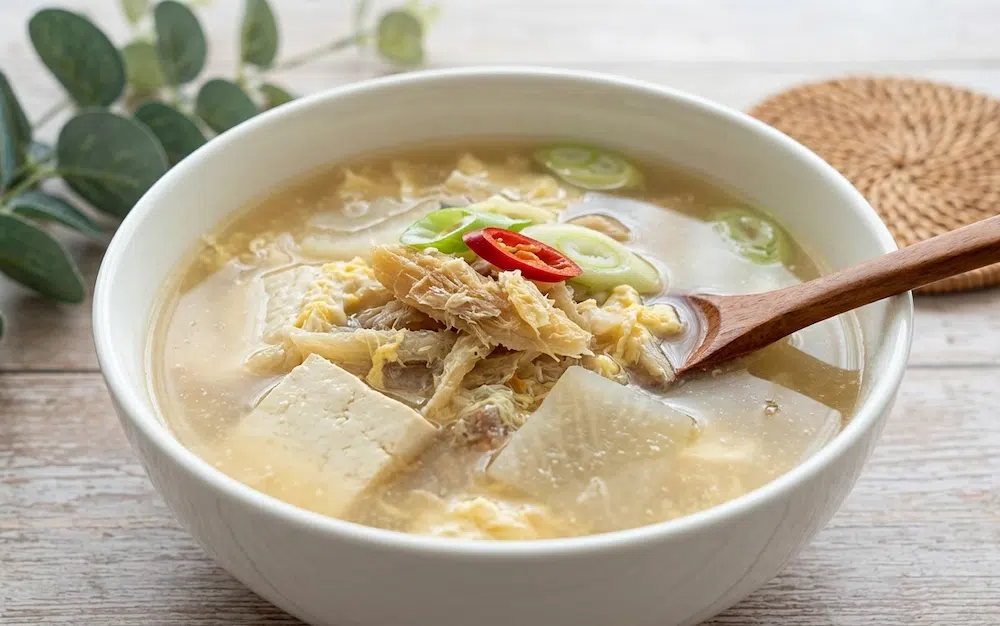
Beyond the Soju Bottles: The Science of Recovery
Have you ever wondered how people in Seoul survive a night of endless Soju rounds and still show up at the office by 9 AM? Did you know that Korea has an entire multi-million dollar industry dedicated solely to preventing a headache? Or that there are dozens of different “hangover soups” specifically designed for different stages of a hangover?
In Korea, drinking is a massive part of socializing, but the “aftercare” is taken just as seriously. We don’t just wait for the pain to go away; we actively fight it with a tactical combination of science, tradition, and pure grit. If you’re planning to explore Korea’s nightlife, you need to know how Koreans recover next morning.
Hangover Relief: The Secret of Liquid Armor
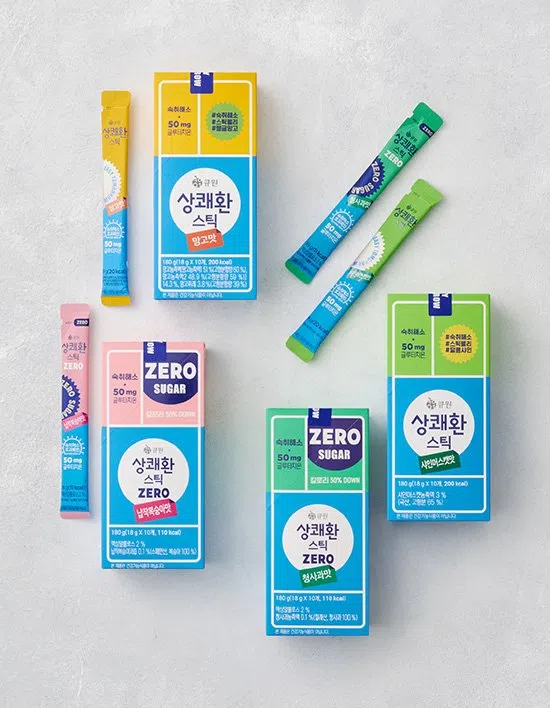
In many cultures, you deal with a hangover when you wake up in pain. In Korea, the defense starts before the first bottle is even opened. If you walk into any convenience store like CU or GS25 during the evening, you’ll see people grabbing small glass bottles or portable stick packs.
These hangover relief supplements, such as the famous Sangkwaehwan (상쾌환) or Condition (컨디션), are designed to boost your liver’s ability to process acetaldehyde—the toxic byproduct of alcohol that causes headaches and nausea.
Taking these supplements is no longer a trend. It is a fully established part of the culture. It’s a multi-million dollar industry built on the goal of “waking up fresh.” Today, the market offers an incredible variety of textures and flavors—from herbal pills and mango-flavored jelly sticks to high-potency liquid ampoules that hit like a medical-grade shield. Personally, I usually take one 30 minutes before the first drink, but it’s not uncommon to see dedicated colleagues take them in three stages: before, during, and even after a long dinner. It’s a chemical shield for anyone who needs to be functional the next day.
The Chemistry of Comfort: Why Hangover Soups Actually Work
When the “Liquid Armor” fails, the sit-down meal is the next line of defense. We call this Haejang (해장), which literally means “untying the intestines.” While it feels like magic, there is real science behind the three most common Haejang-soups you’ll find in Korea.
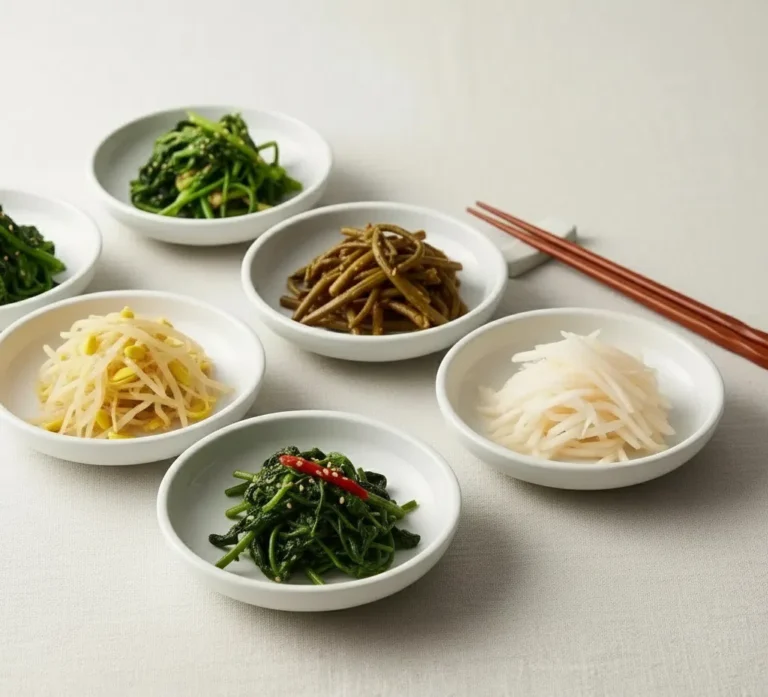
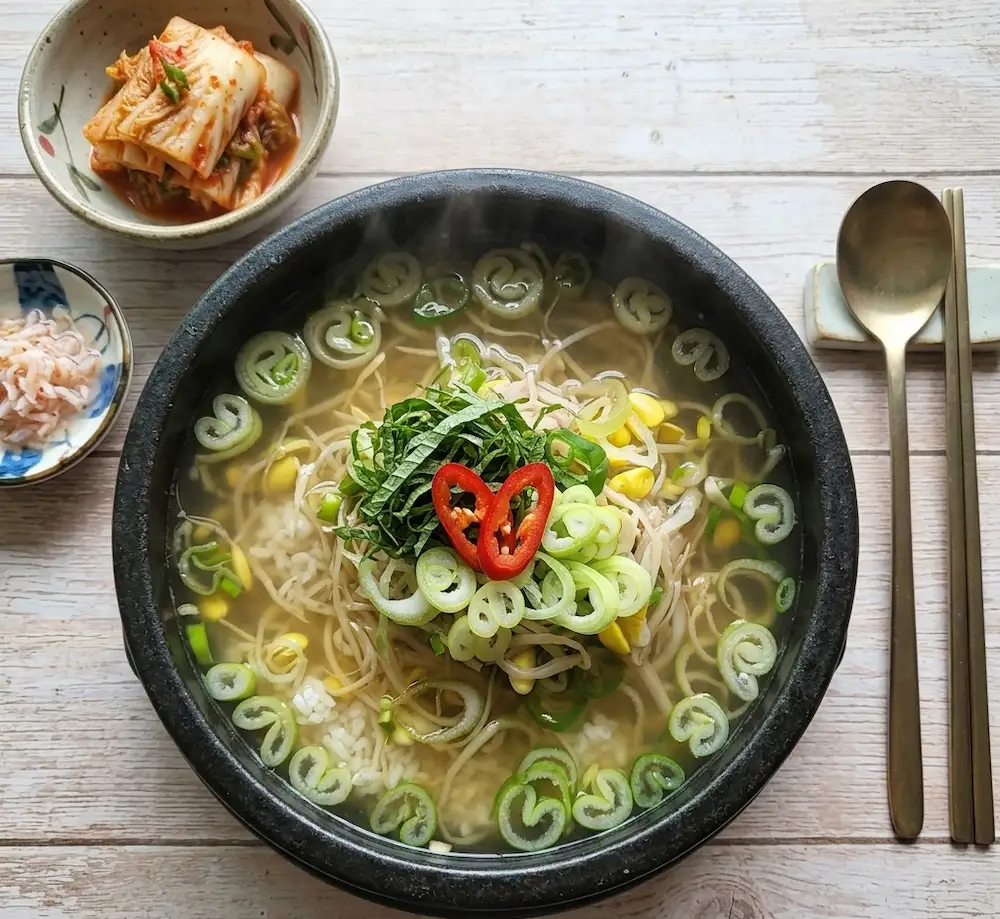
Kongnamul-gukbap (Beansprout Soup)
This is the gold standard for a reason. Beansprouts are incredibly high in asparagine, an amino acid that specifically targets and breaks down alcohol toxins. Combined with Vitamin C, it’s a clean, light broth that gently restarts your system without overwhelming your stomach.
Bukeo-guk (Dried Pollack Soup):
This milky, savory soup is a detox powerhouse. Dried pollack is rich in methionine and lysine, essential amino acids that protect the liver and promote bile production. It’s less about “comfort” and more about providing the raw materials your liver needs to clean your blood.
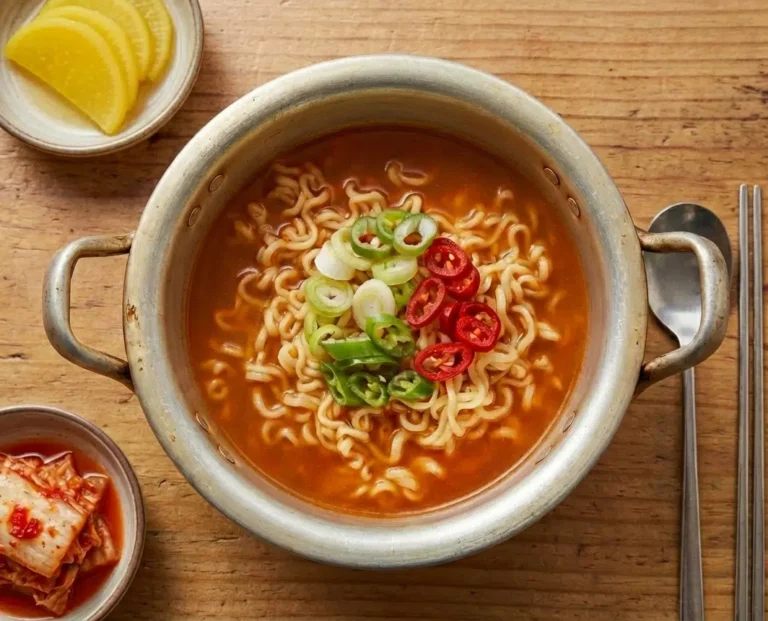
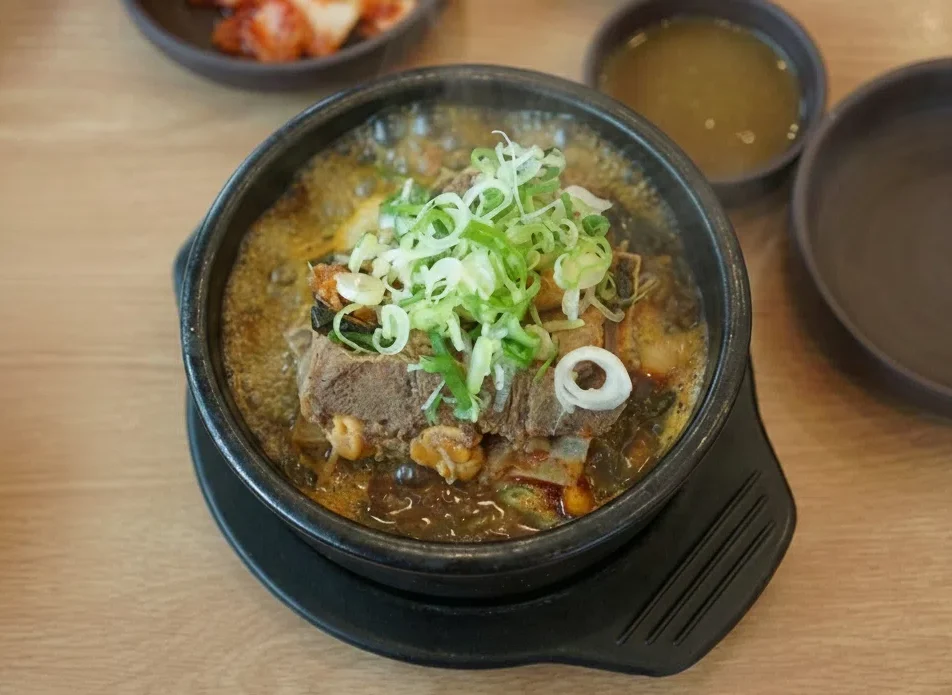
Ppyeo-haejangguk (Pork Bone Soup)
This spicy Pork Bone soup is for those who need to sweat it out. The high protein content and the capsaicin from the spicy broth kickstart your metabolism, forcing your body to burn through the remaining alcohol.
*You can also find this dish in the posts about popular late-night snacks in Korea.
Going out for a group “Haejang” lunch is a core part of Korean life. You might even see some people ordering a bottle of Soju with their soup. We call this Haejang-sul (hangover alcohol). It’s a wild concept of “curing” a drink with another drink, and frankly, it’s only for the truly brave (or the truly hardcore).
Hangover Hacks: The Legendary “IdH” and the Chocolate Milk Secret
Sometimes, you don’t have time for a sit-down soup. This is where the 24-hour convenience store—the “Pharmacy of the People”—saves the day with immediate fixes.
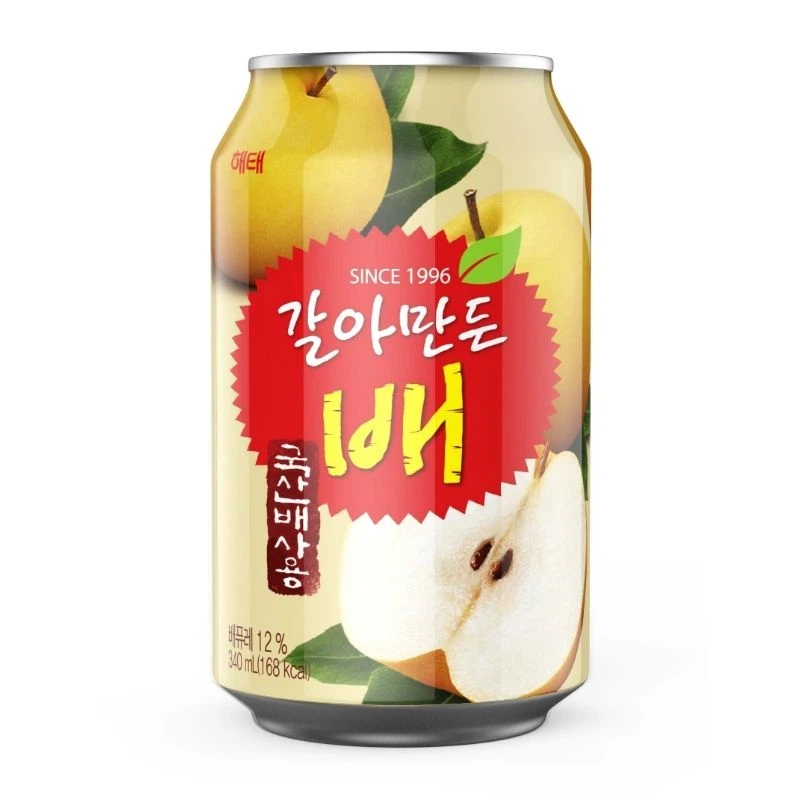
The Hangover Juice, “IdH”
Foreigners call Korean pear juice “IdH” because the Korean letters for pear (배) look exactly like those English letters when turned sideways. It’s become a global favorite because Korean pears contain enzymes that speed up alcohol metabolism and reduce blood acetaldehyde levels.
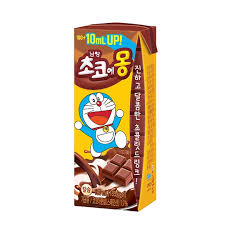
The Chocolate Milk Hack
A favorite among Korean university students. Chocolate milk is alkaline and contains salts like calcium and magnesium, which help neutralize stomach acid and combat the sugar crash (hypoglycemia) caused by alcohol. You’ll often see students drinking chocolate milk on the street at night—a ritual I participated in during my own Uni days! 😂
Cold Noodles and Western-Style Cheeseburgers
While tradition leans toward hot soups, the younger generation in Korea has found their own modern ways to recover. The “hot vs. cold” debate for hangovers is a big topic.
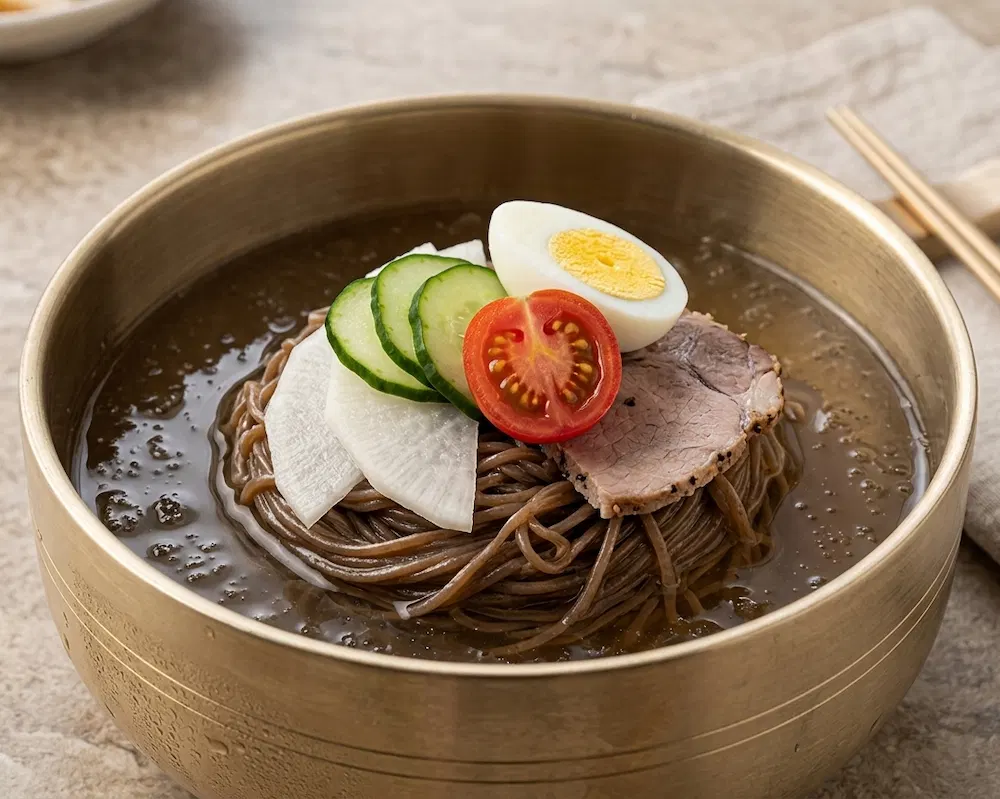
Personally, I prefer Cold Naengmyeon 냉면 (Buckwheat Noodles). The icy, tangy broth instantly cools down the “internal heat” caused by alcohol and hydrates the body faster than a hot meal. Similarly, Ion drinks (sports drinks) are a staple for those who have lost their appetite, as they quickly replenish lost electrolytes.
There is also a growing “Western-style” recovery trend. Cheeseburgers and greasy pizza have become popular as hangover cures among young Koreans. The idea is that the grease and heavy carbs “coat” the stomach and provide an immediate sugar spike to counter the alcohol-induced hypoglycemia. Whether it’s a spicy pork spine soup or a double cheeseburger, everyone in Korea eventually finds their own signature recovery meal.
The 9 AM Grind: Why Koreans Never Take a “Hangover Sick Day”
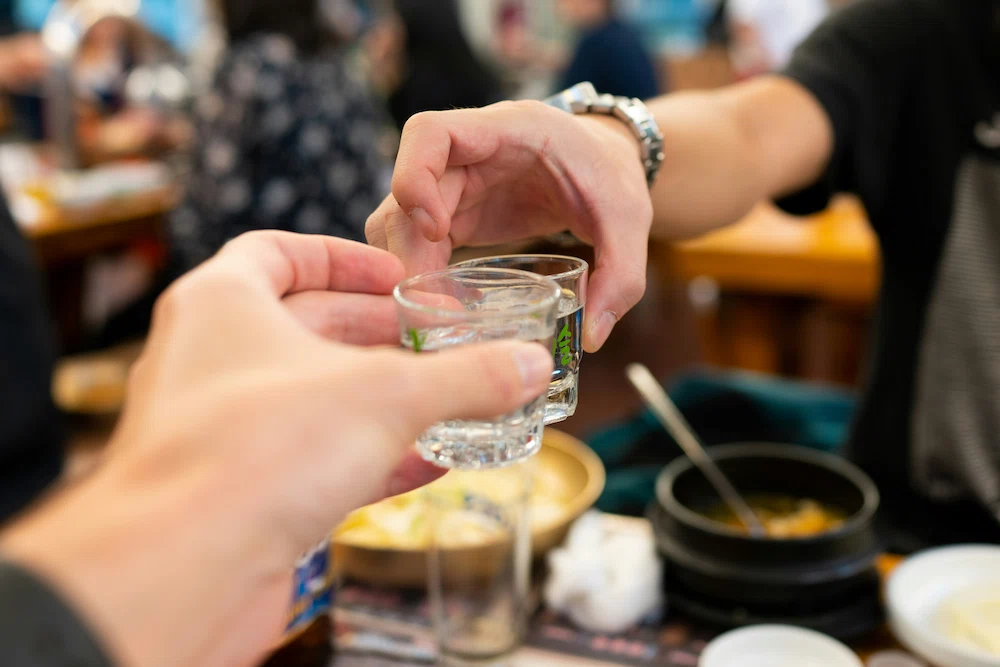
Let’s be honest: no one wants to go to the office with a pounding headache. But in Korea, having a hangover is never considered a valid excuse for a sick day. In fact, casual “sick days” are almost non-existent; they are reserved for serious illness. If you were well enough to stay out until 1 AM, the unwritten rule is that you must be well enough to be at your desk by 9 AM.
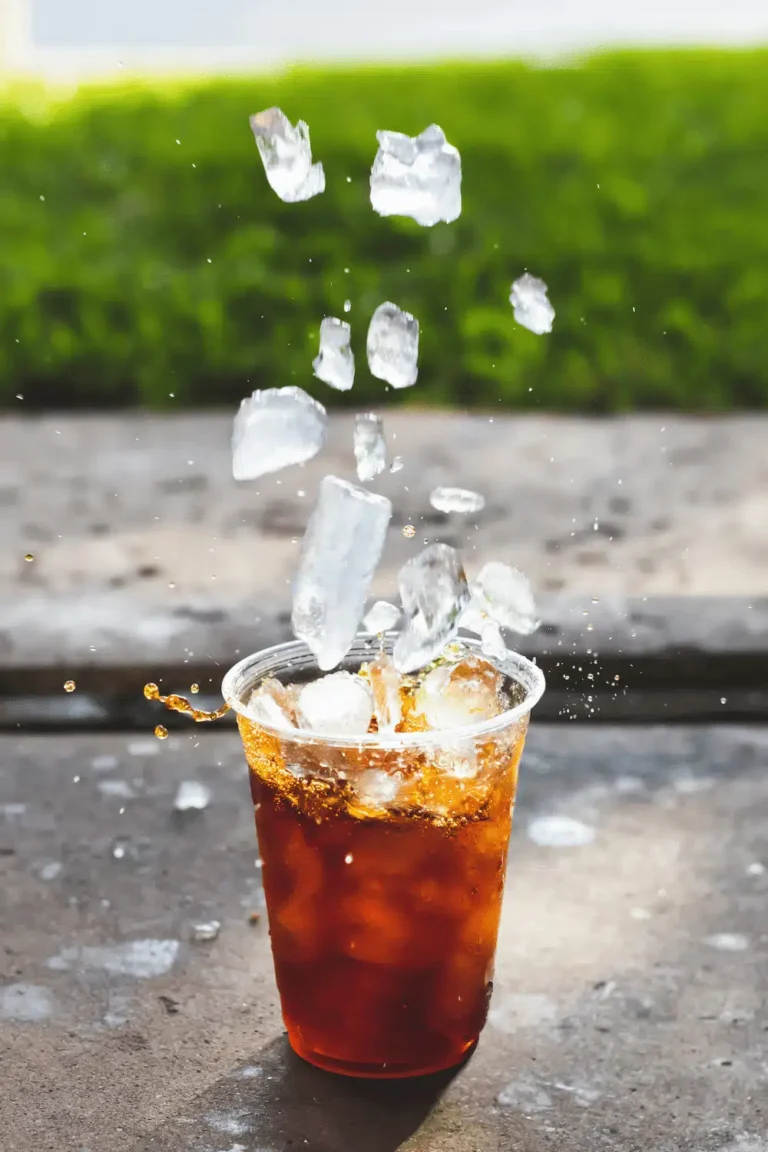
This isn’t necessarily about “loyalty” to the company or being a workaholic. It’s more about a shared cultural discipline—a “You gotta do what you gotta do” mentality. If you choose to have fun, you must also handle the consequences. We might be suffering silently behind our monitors, fueled only by an Iced Americano (Ah-Ah), but we show up. It’s a gritty, practical part of the K-lifestyle that keeps the city running regardless of how much Soju was consumed the night before.
Passionate Drinking, Passionate Recovery
Koreans are just as passionate about recovery as they are about the party itself. We don’t just endure a hangover, we proactively tackle it using our own personal “survival kits” and favorite local soup spots.
The way we handle the morning after is an equally fascinating part of our lifestyle. Everyone has their own method, whether it’s a traditional pollack soup or a greasy burger. If you ever find yourself in Korea after a long night out, don’t just stay in bed. Head to a convenience store, grab an “IdH” (Pear Juice), and join the locals for a bowl of boiling soup. It’s the most authentic way to experience the real pulse of the city.